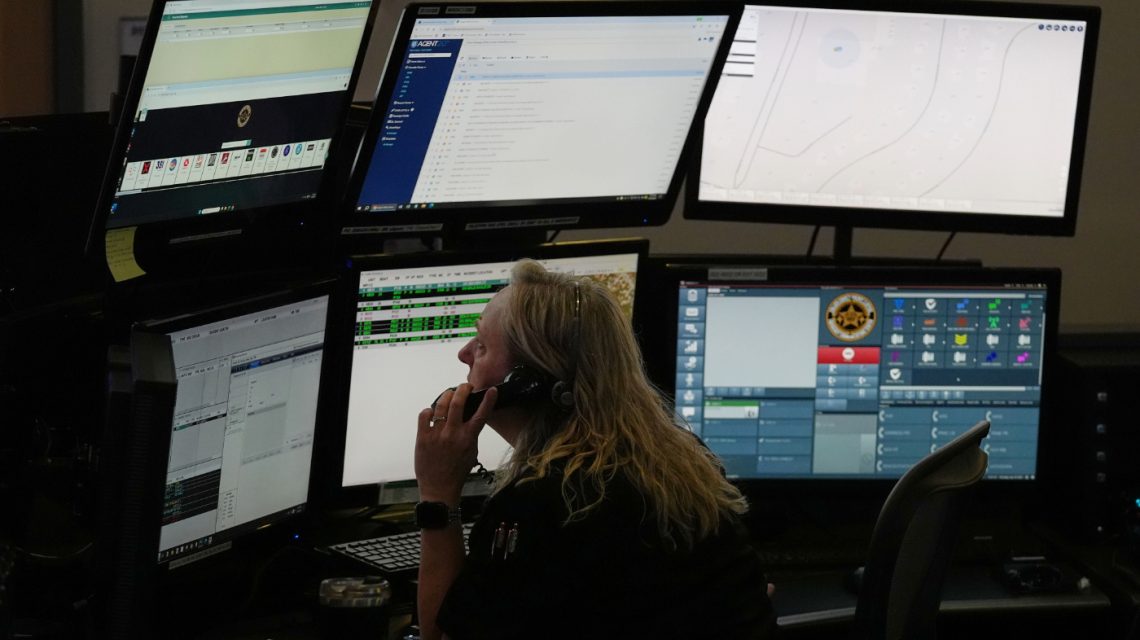
At the Collier County Emergency Services Center in Naples, Florida on July 11, 2025, dispatcher Donna Bocik responded to a 911 call. This incident highlights the vital role 911 professionals play in emergency response, a sentiment echoed in a story from 2019 when Tim Teneyck in Ohio realized a pizza order was a plea for help in a domestic violence situation. His quick thinking led to a swift response.
911 calls are placed at a rate of about 450 per minute across the United States. These calls are more than administrative tasks; they are critical life-saving interventions. Professionals like Teneyck are recognized as first responders, although current federal labor law miscategorizes them as mere administrative workers. Recently, the Senate approved legislation to reclassify them as “protective service personnel”, reflecting their true importance in emergencies. Congress should prioritize this issue before the session concludes.
Common perceptions of first responders often center around those physically engaging danger, such as police officers and firefighters. However, 911 operators face intense and harrowing scenarios as they handle calls reporting kidnappings, deaths, assaults, and suicides. Nearly half report dealing with hostage situations, 42% manage calls about nonaccidental deaths, and 37% are exposed to serious assaults. During mass shootings, the flood of calls subjects them to relentless trauma.
The mental strain on 911 professionals is significant. They are ten times more susceptible to anxiety, PTSD, suicidal thoughts, and depression than the average person. Compared to law enforcement officers, their risk of mental health issues is double. Despite this, training and support are often insufficient, compounding the emotional toll.
A survey revealed that 5% of 911 operators feel responsible for tragedies resulting from their call handling. Yet nationally, there is scant focus on their wellbeing. My research indicates gender discrimination plays a role in these disparities. Historically, women were deemed suitable for 911 roles for their listening skills, but were also undervalued with lesser pay and benefits. This persists, as women account for nearly 80% of 911 staff, yet still encounter systemic challenges.
Congresswoman Norma Torres, the only 911 professional in Congress, has shared experiences of stigma and disrespect within the role. Reports of 911 center employees being mocked as lazy and ignored by police officers further highlight workplace issues. Misclassification tied to gender discrimination leads agencies like the Bureau of Labor Statistics to list 911 operators with clerical workers rather than first responders, affecting their pay and access to essential benefits.
Some states, including Washington and Arizona, have begun recognizing 911 professionals as first responders. This grants access to retirement and benefits, helping recruit and retain skilled operators. Federally, such advancements are necessary. The Senate’s unanimous approval of the Enhancing First Response Act signals progress. The House should act swiftly to finalize it, honoring those who support society in its darkest moments.
Rebecca Neusteter, from the University of Chicago Harris School of Public Policy, emphasizes that 911 responders are often the first contact during crises. Her upcoming book delves deeper into their challenges and crucial work.
 Understanding Inflammation: Myths and Facts
  Overcoming Weight Loss Challenges: Brain Health and GLP-1 Medications
  Supporting Children’s Mental Health at Home: Practical Steps for Parents
 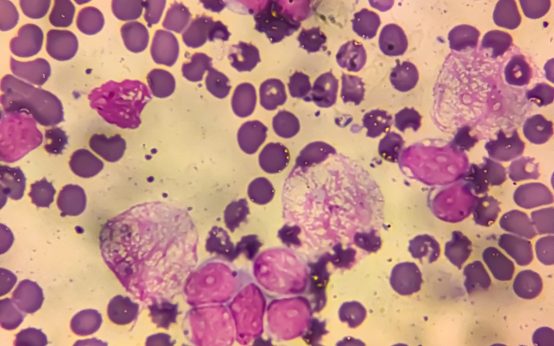 Preventable Infection-Related Cancer Cases Worldwide: Insights from IARC Study
  Mezzetta Recalls Peperoncini Due to Pest Contaminant Concerns
  Navigating Life After Kidney Transplant Rejection