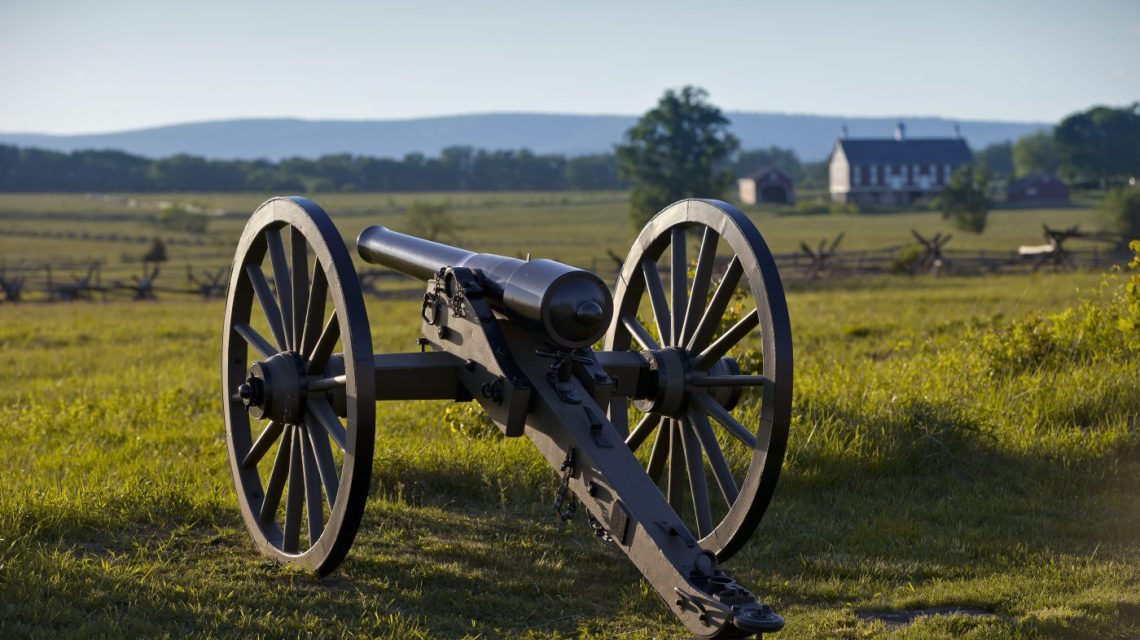
At sunset, a Union cannon stands sentinel on the Gettysburg Battlefield, aimed towards the very field where Confederate forces initiated Pickett’s Charge back in July 1863. This site in Gettysburg, Pennsylvania, witnessed the Civil War’s bloodiest confrontation, marking a pivotal moment in the strife between the North and South. Many take a moment to remember those who fought here, believing firmly in their cause, whether for secession or preserving the Union.
As I enjoy a brief respite from my usual political commentary, which you, dear readers, might be missing, I am pleased to inform you that Bill Sammon will be taking the reins today for the Hill Insider livestream at 9 a.m. EDT. Feel free to direct your curiosities towards him, especially any questions about Calvin Coolidge’s pet raccoon, Rebecca, or the XYZ affair.
During this break, I am seeing politics in a fresh light, much like any American outside the inner circles of governance might perceive them. To many, the political scene resembles confusion more than coherent leadership.
Our family journey commenced at Gettysburg, Pennsylvania. Here, I invited my teenage son to explore the battlegrounds, blend with the history around us, and reflect on those historic events. Later, memorable experiences awaited as we visited Yankee Stadium, watching the St. Louis Cardinals challenge the Bronx Bombers.
Walking through Gettysburg, I traversed the path of the 4th Texas Infantry ascending Little Round Top. It was from this vantage point that Joshua Lawrence Chamberlain and the 20th Maine Infantry famously turned the tide against the 15th Alabama, reinforcing the Union’s resolve. It struck me that despite the time passed, those who fought were driven by genuine convictions. While the war’s connection to slavery is clear today, those climbing the hill in July 1863 wouldn’t necessarily assert slavery as their personal cause. Yet, many participants believed deeply in their respective causes’ honor and righteousness.
There is an issue today with sincerity in political dialogue. Those deeply involved often doubt their opponents truly believe their stated positions, leading to a profound lack of trust. This prevalent cynicism prevents effective dialogue and governance. On critical issues, failing to acknowledge sincere opposition weakens understanding and risks future conflicts resembling the divides of yesteryears.
Finally, I continue my American odyssey, looking forward to rejoining you with fresh insights next week. Meanwhile, Bill will handle everything, including fascinating aspects like presidential raccoon trivia. Until then, take care.
 The Trump Team’s Challenge to the Military Leadership
  Cargo Plane Crash at Miami International Airport
  Maryland First State to Restrict Electronic Pricing in Grocery Stores
  Activists Push for Nationwide Ban on Child Marriage in the U.S.
  Marine Veteran Suing Oregon School District Over Curriculum Reimbursement
 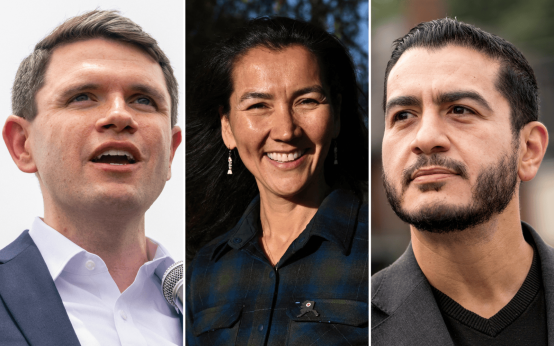 Democratic Hopes and Historical Warnings in 2026 Senate Race