
Seat-belt warning systems have sparked controversy among drivers and automakers alike. These systems, known for their persistent chimes and flashing dashboard lights, serve an essential purpose: reminding drivers to fasten their seat belts. Yet, these reminders can cause frustration.
David Kidd, a specialist in automotive safety, studies these mechanisms. His work reveals the divided opinions about these systems. While some drivers dislike the constant alerts, others merely tolerate them for the sake of safety.
The importance of these systems in preventing fatalities is undeniable. Despite this, regulatory bodies have delayed the tightening of rules surrounding seat-belt warning systems in new vehicles. The reasons for the delay are multifold, including technological challenges, industry push-back, and regulatory processes.
Regulators recognize that these systems save lives. The National Highway Traffic Safety Administration (NHTSA) reports that wearing seat belts reduces the risk of fatal injury by 45% for front-seat passenger car occupants. Given this statistic, the hesitation to implement stricter regulations is puzzling.
The automotive industry is required to balance consumer preferences with safety priorities. Technology advancements have enabled the production of more sophisticated warning systems. Yet, integrating these systems into new vehicle models involves cost and time considerations.
There is ongoing discussion about how to enhance these systems without unduly inconveniencing drivers. The key lies in finding an optimal balance where the systems effectively encourage seat belt use while minimizing annoyance.
The NHTSA’s role in promoting road safety is crucial. Their decision-making impacts manufacturers, consumers, and the industry at large.
Overall, the debate over seat-belt warning systems highlights the complexities involved in policymaking. It underscores the need for careful consideration to ensure that safety improvements are both effective and well-received.
Until new regulations are adopted, the onus remains on both automakers and drivers to prioritize safety. With lives at stake, the continual use of these systems is a necessity, not a choice.
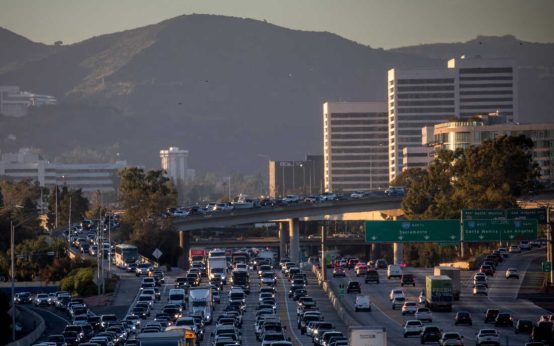 Revised CAFE Standards: Impact and Implications
 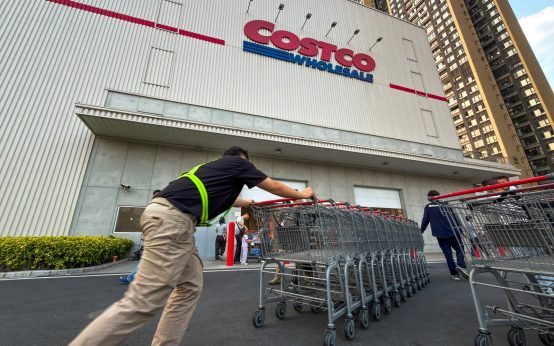 Costco Imposes Purchase Limits on Motor Oil Amid Rising Prices
  Tesla’s Autonomous Cybercab: A Glimpse into the Future of Transportation
  Noteworthy Vehicles Discontinued by 2026
  Chinese Automakers Expand Into Africa: Opportunities and Challenges
  Hydrogen Power Boosts Land Speed Record