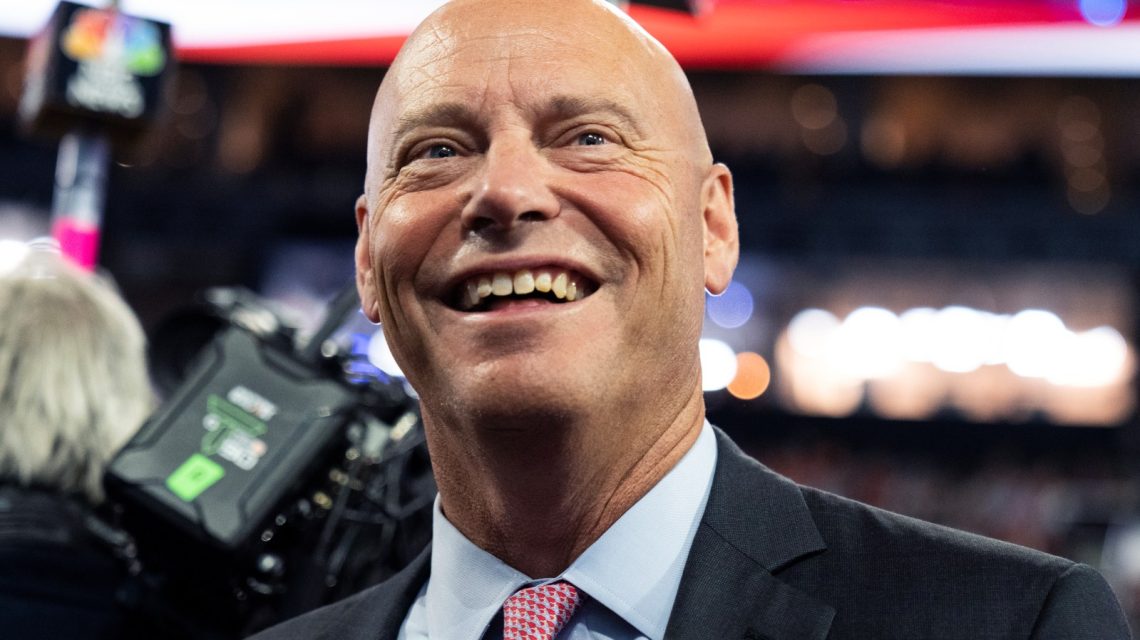
Marc Short, a former official in the Trump administration, has issued a warning about the current state of the Republican Party. With the midterm elections approaching, he described the party as being in ‘triage’ mode due to several challenges. During an interview on CNN, Short spoke about the tough political climate confronting Republican candidates. Inflation, concerns over affordability, and allegations of corruption related to the White House are creating difficulties for maintaining GOP enthusiasm.
This sentiment echoes that of other senior Republicans. Earlier this month, House Majority Whip Tom Emmer recognized that the party is re-evaluating its electoral goals and choosing carefully where to allocate resources as it works to preserve its majority.
“It really is a business, and you’re looking at a balance sheet, and you’re putting your money where you’re gonna get your biggest return,” Emmer told Axios. “We expanded the map when we should have kept it narrow. We should have been conservative about what we were going after,” he added.
Republican groups are increasingly shifting focus from offense to defense. They are pulling back from competitive races and redirecting funds to protect seats in traditionally Republican strongholds, such as Kansas, where Senator Roger Marshall is challenged by Democrat Adam Hamilton.
Short argues that the Trump administration’s track record on the economy and ongoing allegations of conflicts of interest are hindering efforts to motivate Republican voters. He emphasized that Republicans are in ‘triage’ ahead of Tuesday’s elections due to unresolved inflation issues and stagnant wages.
Short blamed what he calls an ‘avalanche of corruption stories’ coming from the White House for suppressing Republican enthusiasm. He described it as damaging because Trump’s political appeal was based on a promise to ‘drain the swamp.’
The broader Republican strategy now focuses on defending seats previously considered safe territories. For example, Republicans have pulled back expenditure in North Carolina’s race, where Democrat Roy Cooper challenges a Republican seat, shifting resources to secure South Carolina where Senator Darline Graham faces competition from Democrat Annie Andrews.
Kansas is witnessing a similar strategy. Despite Trump winning the state by 16 points in 2024, current polls show Hamilton leading Marshall. Republicans are injecting millions into the race to safeguard their position. Additionally, in Nebraska’s 2nd Congressional District, funding cuts by the GOP have been observed, though some groups remain active.
Democrats need a net gain of four Senate seats to control the chamber, and the House majority is at stake too.
To counter Democratic momentum, Republican strategists are targeting progressive figures like Congresswoman Alexandria Ocasio-Cortez and Senate candidate Abdul El-Sayed. Highlighting these figures may energize Republican voters who feel disappointed with their candidates.
Short suggested that opposition to ‘radical Democrats’ could spur Republican turnout where candidate enthusiasm is lacking.
 Mayor Mamdani’s Policing Reform Plans
 Gen Z Voter Shifts and Their Impact on the 2026 Midterm Elections
 Disappearance of US Senate Candidate Raises Questions
 DOJ Rule Change Reduces Appeal Time for Immigrants Facing Deportation
 Hakeem Jeffries’ Bid for House Speaker Faces Progressive Hurdles
 Ohio Judge Dismisses Defamation Lawsuit by Rep. Max Miller