Mounting Economic Challenges
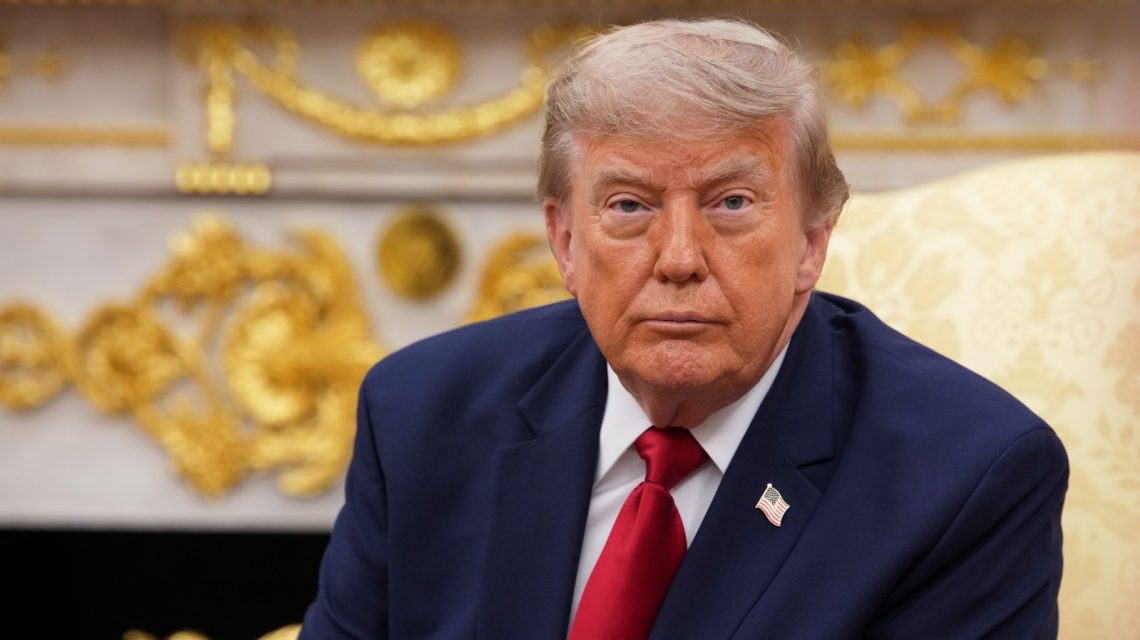
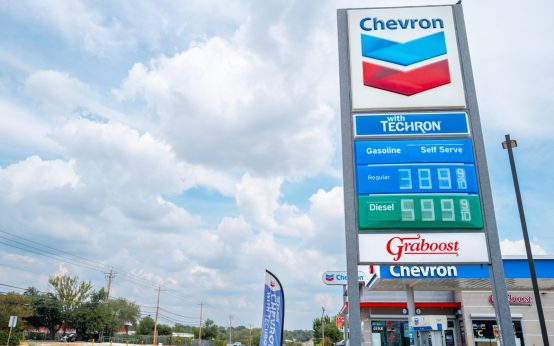
The Republican party is experiencing increased scrutiny over economic conditions as President Donald Trump’s recent actions contribute to rising gas prices and tariffs. The escalation of the conflict with Iran has pushed gas to over $4 a gallon nationally, and new tariffs on 60 countries have compounded these issues.
Polling indicates a significant portion of Republican voters are starting to assign blame to Trump. The timing is crucial with midterm elections looming. AAA reported a 3 percent increase in gas prices, reaching $4 per gallon for the first time in over a month. This follows intensified hostilities with Iran, pushing oil prices closer to $100 a barrel and nullifying the prior relief from a ceasefire.
Tariff Impact and Political Responses
Hours after temporary tariff reductions expired, the administration imposed new tariffs ranging from 10 percent to 12.5 percent on numerous trading partners. These countries constitute the majority of U.S. imports. Despite this, the White House claims these measures will ultimately lower energy costs by destabilizing Iranian forces in the Strait of Hormuz.
Even with outward confidence from the White House, internal Republican resistance is growing. Public figures like West Virginia Senator Shelley Moore Capito and her colleague Senator Jim Justice express doubts. Senator Rand Paul has outright stated the conflict has worsened conditions, urging a resolution.
Concerns about voter sentiment are apparent. A Republican senator anonymously conveyed their worries about gas prices affecting upcoming elections. Meanwhile, public criticisms from figures like Pennsylvania Representative Brian Fitzpatrick highlight frustrations with current spending priorities.
Voter Sentiment and Statistical Insights
A July Washington Post-ABC News-Ipsos survey found 65 percent of adults disapprove of Trump’s economic management, and 66 percent find groceries unaffordable.
Strategists like Alex Patton argue that recent developments strengthen existing challenges for GOP candidates. Voters are acutely aware of rising costs affecting gas, food, and utilities. Tariffs remain a contentious issue with Republican voter approval for them showing inconsistencies in recent polls.
A Politico survey suggests public perception of price increases exceeds reality, particularly among Vice President Kamala Harris supporters compared to Trump supporters. Nearly half of Americans cite gas prices as a critical factor influencing their November voting decisions.
Electoral Landscape and Strategic Considerations
Republican exposure is concentrated in crucial districts. Gas prices have risen significantly in several competitive areas, particularly affecting Republican representatives. In places like California’s 22nd District, gas prices ballooned by $1.17 since Trump’s tenure began.
Nate Silver’s Silver Bulletin highlights that Trump’s approval ratings fluctuate with the state of the Iran ceasefire. GOP strategist Mike Madrid observes significant cracks within the traditional MAGA base amid current dynamics.
Democratic strategists, including Jesse Ferguson, see these developments as advantageous, emphasizing the broad public impact of rising prices.
Forecasting Political Outcomes
Polling suggests Democrats hold an edge on generic ballots, yet there are cautions against interpreting this as a guaranteed wave due to gerrymandering and party divisions.
Republicans face roughly 100 days to alter public narratives and address growing economic concerns. With increasing gas prices and looming tariffs, strategic adjustments are critical for the upcoming midterms.
 President Trump’s Pre-Midterm Interview on Key Issues
  Trump’s 2024 Reelection and Evolving Voter Dynamics
  Defense Secretary Emerges as Key Player in the Trump Administration
  Hegseth’s Vision for the Military: Balancing Tradition and Innovation
  Significant Funding Boosts Ken Paxton’s Texas Senate Campaign Amid Tight Race
  U.S. States Extend Gas Tax Waivers Amid Rising Fuel Costs Due to Iran Conflict