
In numerous American classrooms, a common sight unfolds: students gaze at tablets, headphones in place, quietly engaged. Some are navigating reading programs, while others have moved on to different activities. Teachers move around the room, overseeing the progress.
This scenario points to a broader discussion about the role of technology in education. Many argue that screens dominate student time, overshadowing traditional learning methods. This focus raises questions about the effectiveness of digital tools compared to face-to-face instruction.
The conversation around educational technology often misses a critical point. It overlooks whether technology serves the deeper purpose of enhancing learning experiences. This issue is crucial in addressing how education impacts inequality and fosters innovation.
A closer examination of how technology integrates into classrooms may reveal insights into improving educational outcomes. Understanding its influence on student engagement, comprehension, and interaction with teachers could inform more balanced approaches.
The goal should be a broader dialogue that considers how to combine technology with traditional teaching. By doing so, educators can engage students meaningfully, ensuring they benefit from both worlds.
As the debate continues, it’s essential to keep the focus on creating learning environments that truly benefit students. Exploring strategic use of digital resources while valuing direct instruction could lead to a more effective educational landscape.
 Troy Swanson: Award-Winning Librarian Transforming Academic Libraries
 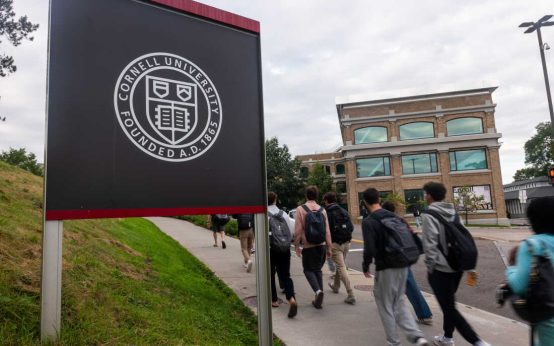 Cornell University to Investigate Handling of Alleged Assault Case
  Legal Challenge Against School Funding Inequalities in West Virginia
  Potential Changes Loom for School Voucher Programs
  Regents Exam Elimination Raises Concerns Over Student and School Accountability
  Education Funding Disparities in West Virginia