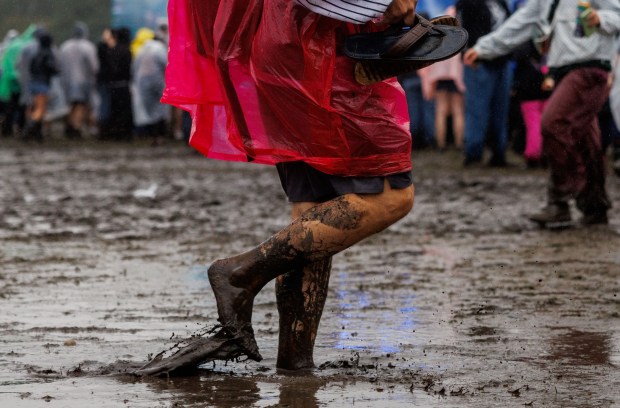
Riot Fest, known for its diverse lineup of punk, metal, rap, and mariachi performances, faced intense weather challenges last weekend as rain transformed Chicago’s Douglass Park into a muddy landscape. The event, which spans three days, experienced the highest rainfall recorded in a two-day period in September since 2019.
Organizers are now focused on repairing damages caused by the inclement weather. Riot Fest founder Mike Petryshyn assured attendees and the community that efforts to restore the park would begin immediately and work closely with the Park District.
“Our responsibility does not end when the festival does,” commented Petryshyn in a news release.
As the rain poured, Douglass Park became difficult for the 50,000 daily festival-goers navigating the slippery and swampy conditions. Some attendees embraced the mess by going barefoot and diving in the mud. Others, however, expressed discomfort. The rain cut Saturday and Sunday’s events short.
Before the festival, organizers took various preventive measures: installing 36,000 square feet of landscape fabric, applying mulch, using temporary ground coverings, and adding extra protection beneath stages. As conditions deteriorated, crews further reinforced high-traffic areas, cleared standing water, and bolstered ground protections.
Despite these efforts, Saturday’s shows ended early. Sunday’s opening was delayed to allow preparation of the grounds. This left Douglass Park soaked with ponding and fragile grass patches by Monday.
Focus has now shifted to removing festival infrastructure and launching cleanup efforts by September 29. Restoration plans include soil preparation, aeration, seeding, grading, and sod replacement. Early assessments suggest about 3 acres may require sod.
Riot Fest organizers have engaged with stakeholders, including North Lawndale Alderman Monique Scott, to discuss potential improvements regarding drainage and plumbing conditions.
Founded by “Riot Mike” Petryshyn and Sean McKeough in 2005, Riot Fest initially took place outdoors in Humboldt Park until heavy rains in 2014 led to a relocation to Douglass Park. Criticism about the festival’s impact on city parks prompted an announcement to move the event to SeatGeek Stadium in Bridgeview for 2024. However, pressure from community members led to a reversal of this decision, bringing the festival back.
The festival’s contract now extends to 2027, with a potential extension to 2029. Starting in 2025, Riot Fest will contribute 30% of its event revenue to park improvements, an increase from previous years. The Park District plans an intensive restoration of Douglass Park, focusing on topsoil with compost to address drainage and aeration challenges. Financial projections estimate $3 million to $4.5 million will be obtained from Riot Fest through 2029.
Riot Fest’s hardships echoed those of Lollapalooza earlier in the summer. Overnight rains caused muddy conditions and delayed openings. Following a season marked by weather disruptions, both festivals faced challenges in maintaining the schedules.
Contributors: A.D. Quig and Doug George.
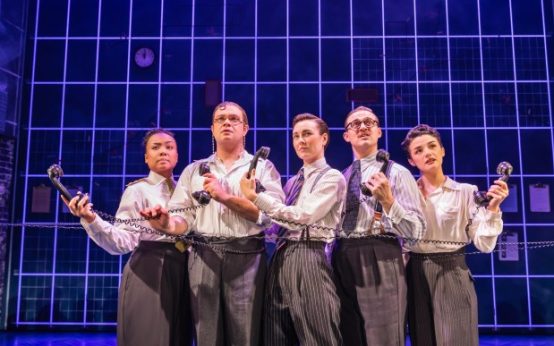 Operation Mincemeat: A Theatrical Review
 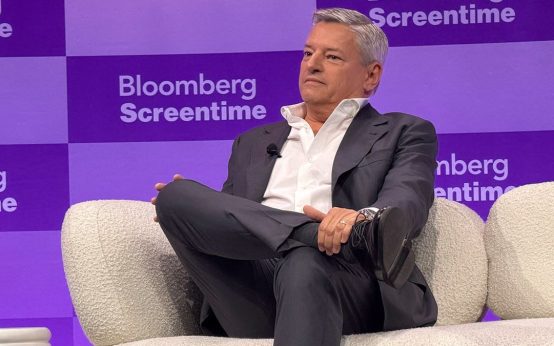 Hollywood Executive Praises Trump’s Efforts to Revitalize the Entertainment Industry
  Zoe Kazan’s Journey with ‘East of Eden’
 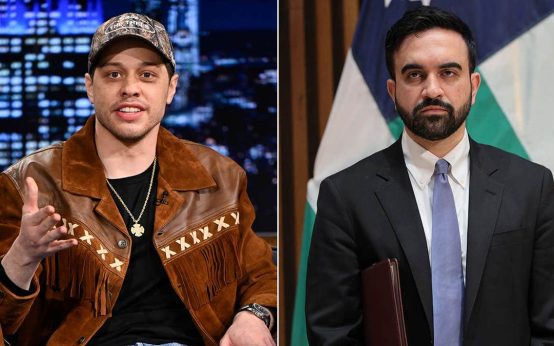 Pete Davidson Criticizes NYC Mayor Zohran Mamdani Over BQE Construction
 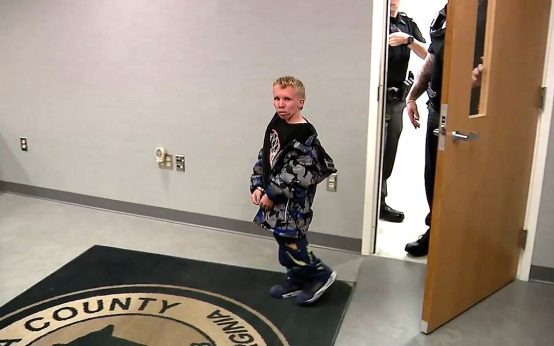 TikTok Couple Arrested for Alleged Arson in West Virginia
  Chris Hansen Criticizes Hollywood’s Portrayal in ‘Primetime’