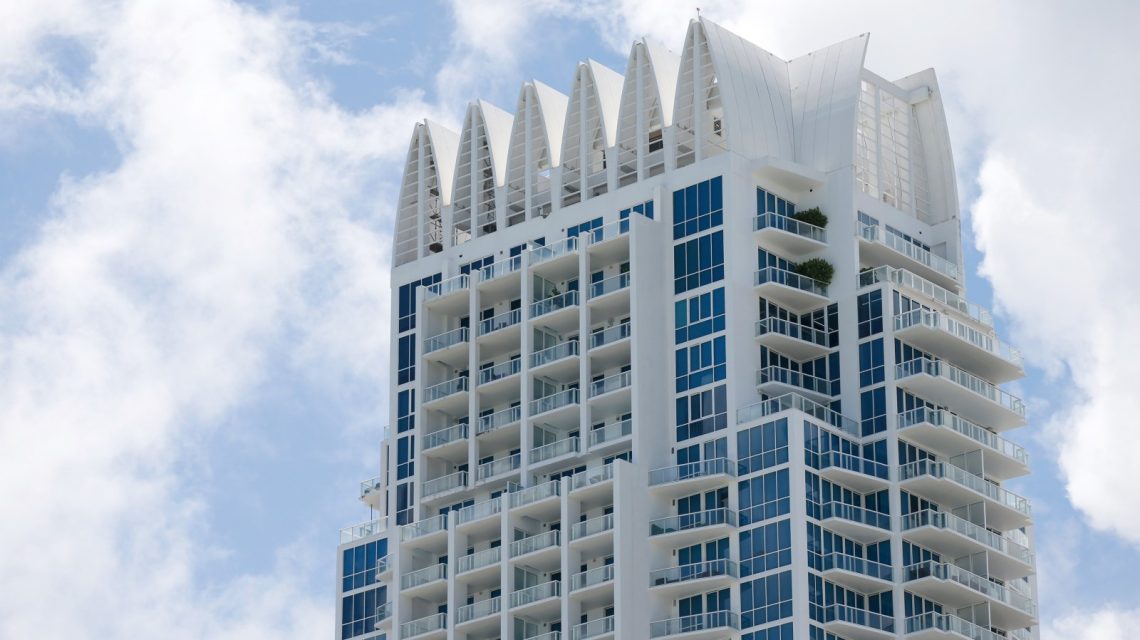
The increasing number of Americans unable to keep up with homeowners association (HOA) payments poses significant risks of property loss. Recent research by property data platform Cotality indicates a stark rise in HOA liens—legal notices that debt must be repaid before home sale—from 2022 to 2025. This study found a 41.7 percent increase in such liens across this period. In 2019, there were 177,260 HOA liens nationally, climbing to 250,951 by last year.
Financial Pressures on Homeowners
HOA dues generally range from $200 to $400 per month. Cotality’s Chief Economist, Dr. Selma Hepp, observes that these payments, combined with rising insurance and tax costs, can strain household budgets. More often, homeowners prioritize mortgage and utility payments over HOA dues, risking liens when budgets are tight.
Understanding HOAs
Homeowners associations manage residential communities by collecting dues and overseeing repairs, amenities, and property rules. Homebuyers in HOA communities must legally pay these fees. While condos and townhomes frequently have associated HOA fees, recent years show an increasing prevalence among single-family homes as well, now covering nearly 44 percent of homes for sale according to Realtor.com.
Consequences of Non-payment
Failure to pay HOA dues leads to liens, which complicate selling or refinancing a home. Although immediate house loss is not typical, debt repayment is often required before sale. In states like Minnesota and Nevada, unpaid liens can escalate to foreclosure. Minnesota, with its aggressive process, converts 47.5 percent of liens into foreclosures.
Geographical Impact
From 2022 to 2025, foreclosure filings due to HOA issues rose 46.1 percent, especially in Florida, Texas, Nevada, California, and Arizona, accounting for 85.2 percent of total filings. Florida homeowners face considerable HOA fees, given its prevalence of condos and new constructions. The state’s metropolitan areas reflect particularly high HOA costs relative to mortgage payments.
The introduction of new building safety rules following the Surfside collapse have further increased fees, as associations bolster reserves. Additionally, climate change impacts in states like Florida, Texas, and California contribute to higher insurance premiums, further elevating HOA dues for homeowners.
Home insurance costs have sharply risen, adding to homeowner burdens. For instance, Florida saw a 60 percent increase from 2019 to 2023. Texas reported a 60 percent rise by 2024 over 2019, while Arizona experienced a nearly 70 percent increase over six years.
Should you face challenges meeting HOA payments or have experiences related to your HOA, reach out at [email protected] to share your story.
 Navigating Los Angeles Real Estate on a Budget
  Mortgage Rates Return Above 7% After Twenty Months
  Inland Empire Grapples with Growing Housing Affordability Concerns
  Challenges in Los Angeles’ Multifamily Housing Market
  Jevon Carter Sells Chicago Town Home
  Charming River Forest Home With Custom Features