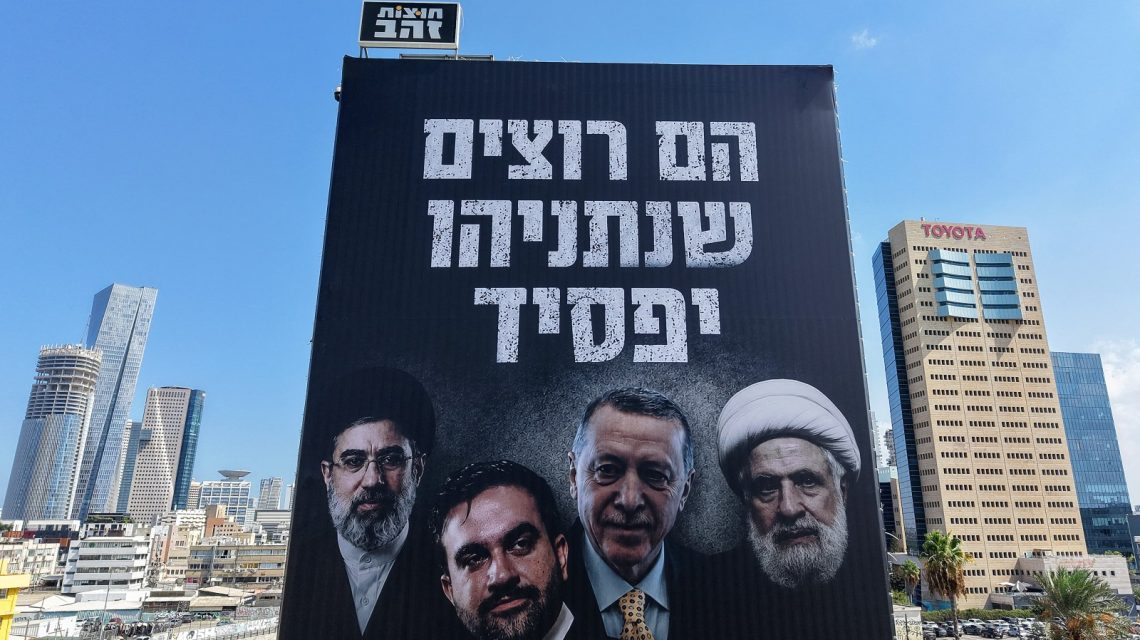
The ongoing economic campaign by President Donald Trump against Iran has taken a new turn, as additional conflicts emerge involving Israel and Turkey. Recent events have intensified this situation, with Israel striking a Syrian airbase shortly after a Turkish delegation visited the location. Israel accused Syria of inviting Turkey’s military, while Turkey responded by condemning Israel’s actions as violations of Syria’s sovereignty.
On Friday, tensions heightened with Israeli Prime Minister Benjamin Netanyahu’s office criticizing Turkish President Recep Tayyip Erdogan as an “antisemitic dictator,” leading Erdogan’s communications office to retaliate by dismissing Netanyahu’s tactics. As both countries approach key elections, symbolic imagery around this conflict has been used to influence public opinion in Israel.
Experts like Ismail Numan Telci suggest that the likelihood of direct military confrontation between Israel and Turkey remains low but cannot be dismissed entirely. The Syrian theater’s complexity, filled with various international actors, further complicates these dynamics.
Historical Context of Israel-Turkey Relations
Turkey and Israel have a long and complex history of fluctuating relations. Turkey, the first Muslim nation to acknowledge Israel in 1949, maintained diplomatic ties during the Cold War, aligning with NATO while supporting Palestinian causes. However, relations soured notably after events such as the Gaza conflict and political changes in Israeli leadership.
Attempts for improving ties faced challenges due to harsh exchanges between Erdogan and Netanyahu, especially amid the Middle East crisis initiated by Hamas’ attack on Israel in October 2023. Israeli officials are critical of Erdogan’s role, accusing him of aggression towards Israel, while Turkish officials condemn Israel’s actions.
Potential Syrian Conflict Underlying Israel-Turkey Feud
Syria remains a significant contention point. Both leaders opposed former President Bashar al-Assad, yet his successor, Ahmad al-Sharaa, has allied closely with Turkey, leading to increased tensions with Israel. Israel views Turkey’s increased presence in Syria as a security threat.
Military strategists such as Assaf Orion fear that Turkey’s support for jihadist elements in Syria could complicate Israel’s security landscape. Turkey’s standing as a NATO member with ambitions in Syria and the region presents further complexities.
Influence of U.S. and Regional Alliances
A shift in U.S. alliances is causing concern in Israel. Trump’s positive engagement with Erdogan and Syria’s leadership has led to changes like lifting sanctions previously imposed on Syria. This has sparked debates within Israeli political circles regarding the implications of these diplomatic shifts.
The evolving regional landscape has seen Turkey forging new alliances, such as the defense pact with Saudi Arabia and Pakistan, signaling a potential re-strengthening of Sunni influence in the region. Israel, meanwhile, is working to solidify partnerships with countries like India, Greece, and Cyprus, which share similar concerns regarding Turkey.
Challenges of Conflict and Potential Resolutions
The risk of escalation in Middle Eastern conflicts poses high stakes for the United States and its allies. Former State Department advisor Rich Outzen emphasizes the potential for conflict due to Israel’s preemptive military strategy, which could impact U.S.-Turkey relations.
Mediation appears necessary, as proposed by U.S. Ambassador to Turkey Tom Barrack, offering the potential to alleviate tensions between Israel and Turkey. However, with current political tendencies away from direct involvement, both countries may need to manage issues independently.
 Dutch Review Board’s Euthanasia Ruling and International Debate
  Israeli PM Commends Heroic Actions in Flight Emergency
  Rabbi and Jewish Leaders Criticize Adam Brody for ‘Genocide’ Comment
  Flydubai’s Emergency Landing Highlights Cockpit Security
 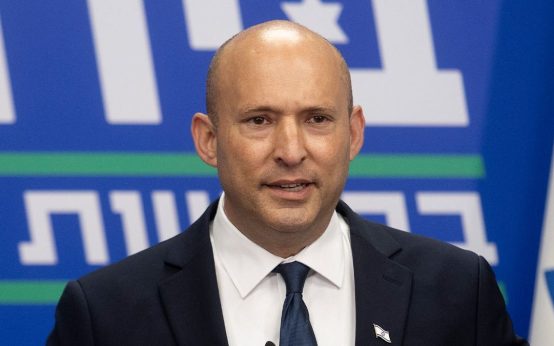 Former Israeli PM Naftali Bennett Commends Passengers and Crew for In-Flight Heroism
 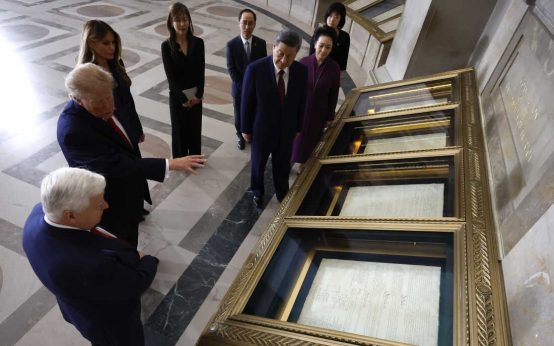 Diplomatic Complexities Unfold at U.S. National Archives Visit