Russia’s Labor Proposal
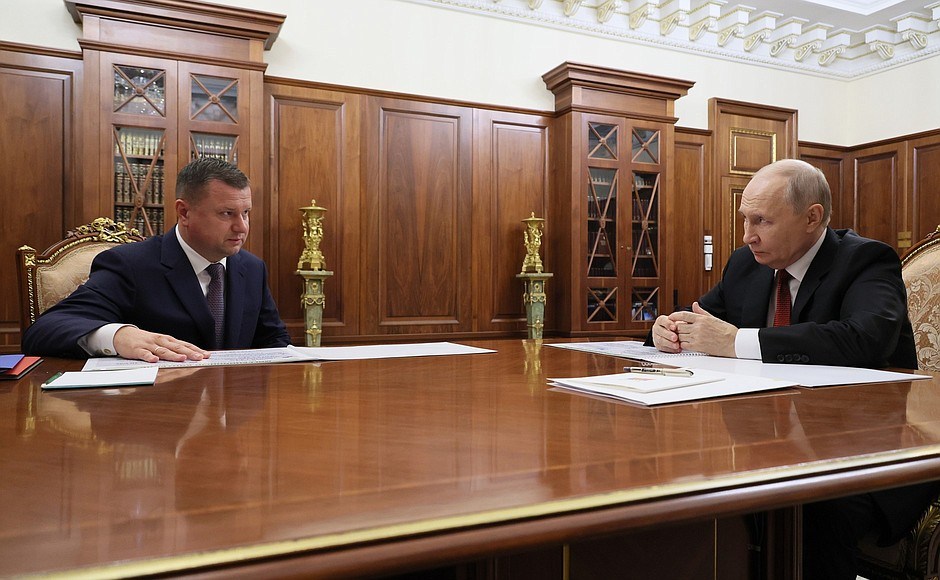
Russia is considering a new system to address labor shortages. The Interior Ministry’s plan involves bringing foreign workers legally, accommodating them, and ensuring they leave once their work is done. This would be managed by state-run services, providing workers as needed by employers.
Current Challenges for Russia
Russia faces historic labor shortages. Unemployment is low at 2.3%, while the workforce shrinks due to demographic changes, military demands, and an aging population. The war in Ukraine has further impacted the workforce, with over 700,000 troops deployed and many casualties reported.
Political Stance on Migration
The country seeks to boost its workforce but insists on “natural reproduction” as the primary growth driver. Despite needing workers, Russia expels many migrants, implementing strict migration laws.
U.S. Labor Market and Immigration
The U.S. also relies on immigrant workers. In 2025, foreign-born workers comprised nearly a fifth of the civilian labor force. Policies such as the H-2A and H-2B visa programs allow entry for specific jobs, with status tied to employment. However, U.S. policies offer more flexibility than Russia’s proposed system.
Comparing U.S. and Russian Approaches
In the U.S., workers have a grace period to find new jobs if displaced. Proposed changes may tighten this for some categories, yet H-2 visas retain protections. Russia’s system aims for strict control over migrant workers’ lives.
Economic Impact on Migrant Workers
Russia’s new laws impose additional taxes on workers with dependent children and stricter conditions for educating migrant children. The U.S. is considering similar restrictions. Russia aims to reduce migrants living with non-working family members.
 Dutch Review Board’s Euthanasia Ruling and International Debate
  Israeli PM Commends Heroic Actions in Flight Emergency
  Rabbi and Jewish Leaders Criticize Adam Brody for ‘Genocide’ Comment
  Flydubai’s Emergency Landing Highlights Cockpit Security
 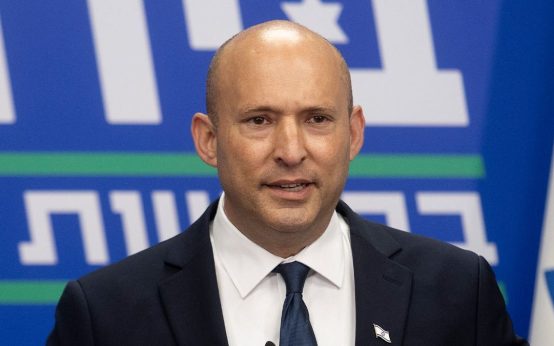 Former Israeli PM Naftali Bennett Commends Passengers and Crew for In-Flight Heroism
 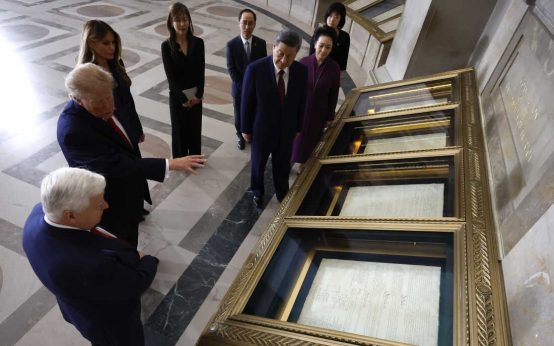 Diplomatic Complexities Unfold at U.S. National Archives Visit