
A growing number of school districts are adjusting their academic calendars, starting the school year in July or August. This shift increases the likelihood of children facing high temperatures during their school activities. As the new academic year begins, districts are navigating challenges associated with extreme weather conditions.
In July 2026, Phoenix experienced temperatures reaching 117 degrees Fahrenheit, equivalent to 47 degrees Celsius. Despite the heat, children in the area continued their routines, including walking to school, participating in recess, and attending baseball practice. Such conditions require schools to consider the impact of high temperatures on student health and well-being.
The move to earlier start dates for schools may be influenced by various factors, including the need for more instructional days and efforts to align school schedules with community needs. However, the increasing temperatures during these months necessitate precautions to ensure student safety during outdoor activities.
Schools are encouraged to implement measures such as scheduling outdoor activities at cooler times, providing adequate hydration options, and educating students on heat safety. These strategies are essential to mitigate the risks associated with extreme heat, ensuring that education continues effectively even in challenging weather.
 Department of Education Investigates Teacher Programs for Discrimination
 Immersion in French Culture at Ascension Catholic School
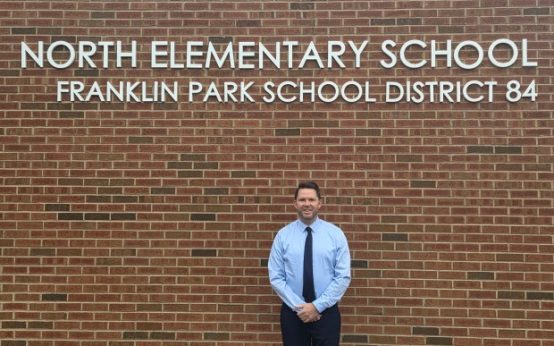 Franklin Park School District Prepares Leadership Transition
 Orland High School District 230 Achieves Exemplary Status
 AI’s Impact on Math Education at Caltech
 NPR Student Podcast Challenge Returns for Ninth Year