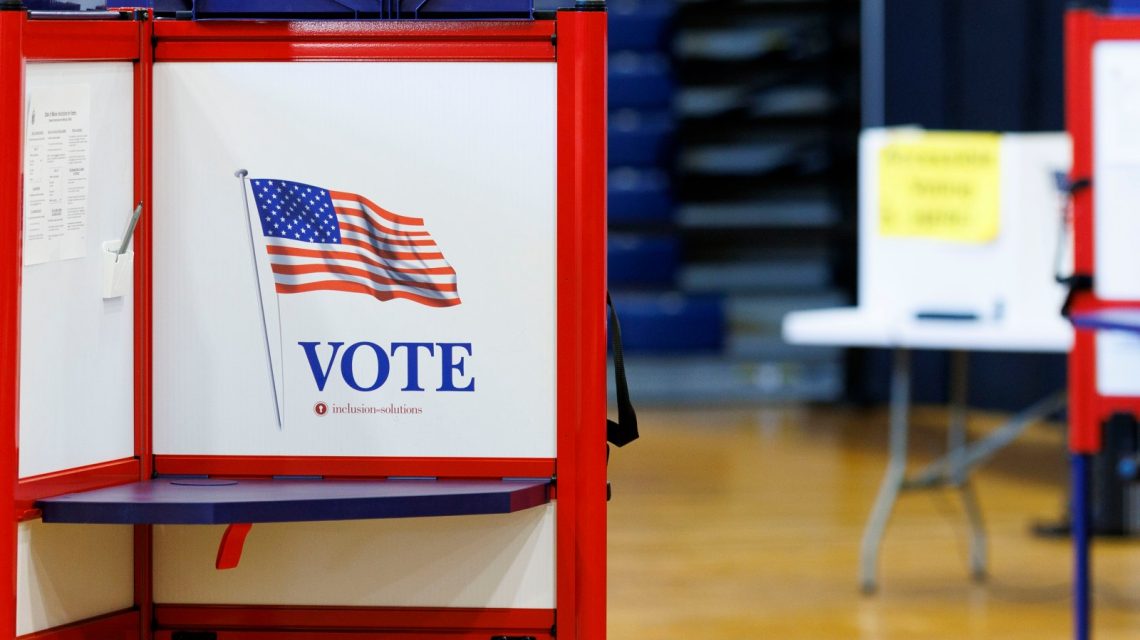
Americans are set to vote in the 2026 midterm elections amid increased concern over election security. Officials are managing challenges like voter intimidation, cybercrime, AI-generated misinformation, and public confidence in the voting process.
This election impacts not only party control in Congress but also the credibility of disputed results. Ensuring ballots are traceable, records are preserved, and vote totals are checked is critical. Safeguards exist to prevent widespread manipulation, though uneven resources and cyberthreats create vulnerabilities.
All 435 House seats and 35 Senate seats are contested, alongside gubernatorial and local elections. The decentralized system, praised for resilience, varies widely in procedure. Overseeing these elections are numerous state and local officials employing rigorous measures like paper records, bipartisan procedures, and post-election audits.
Daniel Schatz, a political scientist, highlights the strength of the U.S. election system due to its decentralization and layered checks.
Innovation and local ownership are fostered in less-resourced communities, but recruiting expertise can be a struggle.
Ballot Tracking and Mail Voting Safeguards
Mail ballots, scrutinized more heavily, are safeguarded through various methods to verify eligibility and protect them. Protections include voter declarations, witness statements, identification, and ballot tracking, among others.
Therese Pearce Laanela emphasizes that the U.S. employs some of the most rigorous integrity measures globally.
Ballot tracking offers information on a ballot’s progress, while custody rules address handling. Criminals may impersonate election communications, but voters are advised to independently verify information from official sources.
Election Observers and Chain of Custody
Observers add accountability by ensuring procedures can be examined. Transparency aids in public confidence and doesn’t mean observers validate ballots. Instead, they ensure established procedures are being followed.
The chain of custody is crucial once ballots are controlled by officials. Together with audits and record-keeping, these measures verify election integrity.
Voter Intimidation and Threats
Federal law prohibits intimidation and threats to voting rights. Election security should be neutral and proportional. Personal information exposure should be minimized to avoid risks.
Timothy Gallagher stresses the importance of careful management of one’s digital footprint to avoid threats related to participation in elections.
Preparation is vital, especially in smaller jurisdictions lacking resources. Incidents like threats or disruptions can weaken elections without altering results.
Cybersecurity Concerns
Cyberattacks related to elections often target people, not voting systems, aiming for personal data rather than changed votes. Thousands of new domains containing election-related keywords were registered recently, emphasizing the threat.
The occurrence of cyber incidents does not imply vote tampering. Users should verify election information through trusted election websites.
Impact of AI Misinformation
Artificial intelligence can rapidly create false information, potentially confusing voters. This misinformation can affect participation without changing results, highlighting the need for verification against official sources.
Sophisticated content requires scrutiny of its source, not just appearance, as realistic misinformation can mislead.
Concerns About Voting Methods
Internet voting remains a concern primarily for military and overseas voters. Poorly secured systems combined with AI advancements and potential interference pose a significant risk.
Jeremy Epstein stresses separate disclosure of internet vote totals to easily identify anomalies.
Ballot-marking devices add complexity but are less risky than in past years. Sweeping claims about the voting system can be misleading, as vulnerabilities are specific to equipment or processes.
Handling Disputed Election Results
Initial election results may not be final, as secured counting processes can take time. Disputed results should be examined through available evidence rather than rapid online claims.
Voters should focus on distinguishing problems from systemic fraud and verify voting details from official sources.
Pearce Laanela emphasizes not mistaking mistakes for fraud, advocating for proportionate responses to incidents.
The safeguard is not blind faith but transparent processes subjected to independent verification.
 Mayor Mamdani’s Policing Reform Plans
 Gen Z Voter Shifts and Their Impact on the 2026 Midterm Elections
 Disappearance of US Senate Candidate Raises Questions
 DOJ Rule Change Reduces Appeal Time for Immigrants Facing Deportation
 Hakeem Jeffries’ Bid for House Speaker Faces Progressive Hurdles
 Ohio Judge Dismisses Defamation Lawsuit by Rep. Max Miller