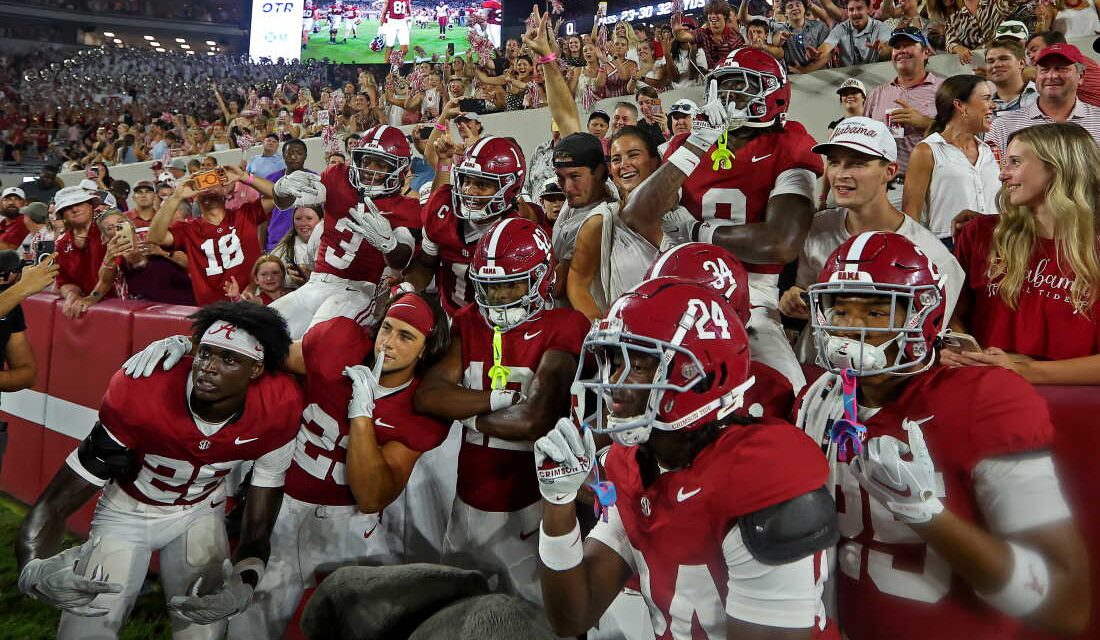
After a decisive 50-36 victory by Alabama Crimson Tide over Florida State Seminoles in Tuscaloosa, Alabama, attention shifts to Washington. The Senate recently passed the Protect College Sports Act, a bill designed to address the chaotic state of college athletics, by a notable bipartisan vote of 77-22.
Key Features of the Bill
The legislation grants the NCAA a limited antitrust exemption. This aims to reinstate its five-year eligibility rule and impose transfer limits. Additionally, the bill regulates name, image, and likeness (NIL) agreements that have significantly altered college sports, allowing athletes to earn substantial compensation.
High-profile supporters include the NCAA, influential schools and conferences, and President Trump. Negotiations led by Senators Ted Cruz and Maria Cantwell resulted in bipartisan cosponsors. Promotional efforts featured Alabama’s Nick Saban in TV ads and Cruz discussing the bill on ESPN’s College GameDay.
Legislation Moves to the House
With the Senate’s approval, the bill progresses to the House, which is currently in recess until after the midterm elections in November. Uncertainty surrounds its passage.
In the past decade, extensive litigation has challenged many traditional college sports regulations, from amateurism to transfer and eligibility rules. While the bill seeks to establish a stable framework, opponents argue it shortchanges athletes in favor of powerful institutions.
Diverse Opinions on the Bill
Critics, including labor groups, athletes organizations, and the NAACP, argue that the bill unfairly limits athletes. Sam Ehrlich from Boise State University contends the bill bolsters NCAA control at athletes’ expense.
Achieving revenue in college sports, particularly in Division I football and basketball, remains limited to a select few. Data reveals substantial budget increases in athletic departments, with recruiting expenses up 322%, equipment costs nearly 300%, and coaching salaries surging 370% between 2005 and 2023.
Critics highlight the bill’s failure to curb administrative spending while trying to cap athlete pay. Senator Cory Booker, a former Stanford University athlete, criticizes the bill for safeguarding institutional wealth instead of benefiting athletes.
Impact on Women’s and Olympic Sports
Since 2023, over 100 women’s and Olympic sports teams have been cut from college programs. Supporters argue the bill can prevent further spending cuts. However, experts like Dionne Koller from the University of Baltimore point out alternative solutions exist to protect these programs.
Provisions require schools to sustain scholarships and roster spots, yet these expire after a period for large and midsize schools. Exemptions apply for schools facing significant financial hardship.
Additional Provisions
The Senate bill sets a 5% cap on agent fees for NIL deals. It allows conferences to collectively manage media rights. Health and safety guidelines are outlined for schools. The bill caps conference membership at 20 schools to prevent ‘super leagues.’
Senator Rick Scott voted against the bill due to concerns over conference alignment restrictions for Florida-based schools. As the bill advances to the House, similar opposition may arise in different regions.
 Mystics’ Season Ends with Playoff Defeat to Dream
  AEW Community Pays Tribute to Late Wrestler Pac
 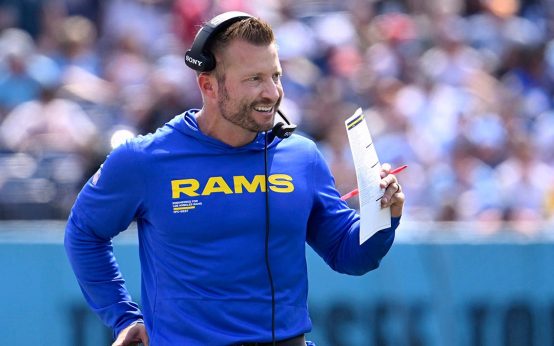 Controversial Call Causes Stir in Rams vs. Broncos Game
 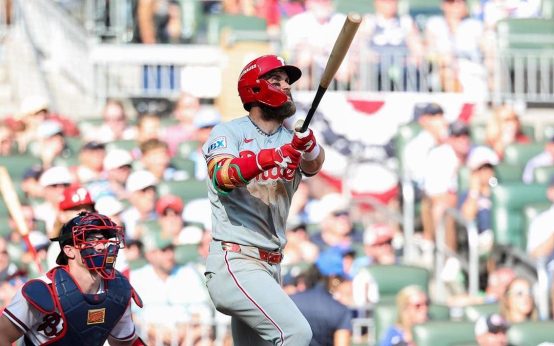 Phillies Triumph Over Braves in Thrilling Extra-Inning Victory
 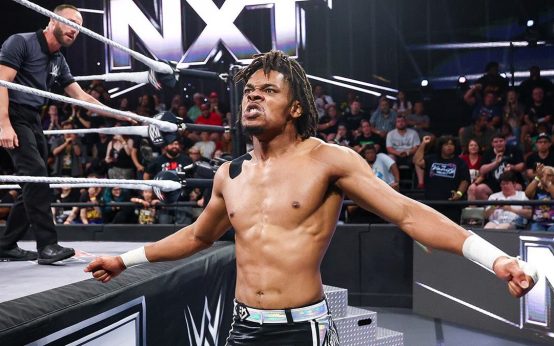 Intense NXT Championship Battle Puts Spotlights on EK Prosper and Grayson Waller
  White Sox Advance to ALDS with Victory Over Astros