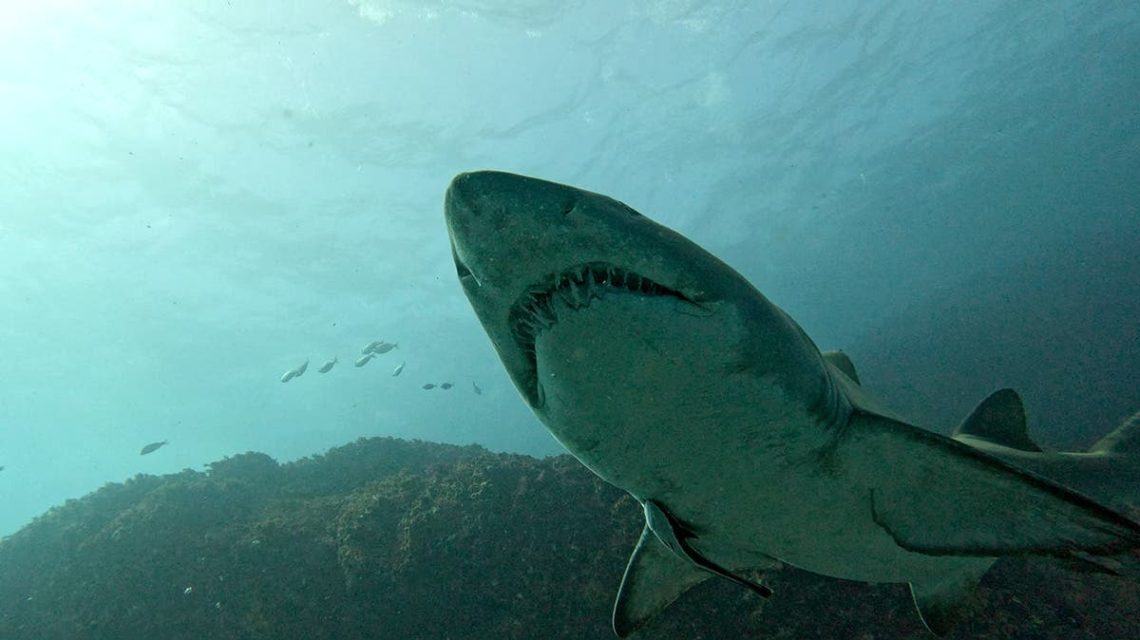
Increased Shark Activity and Safety Measures
This summer, shark researcher Jesse Watters discussed with Chris Fischer, founder of OCEARCH, a surge in shark attacks and ways to avoid them. Incidents included a New York beach closure, a swimmer attacked in Queens, and a child bitten in Florida. Fischer highlighted a rebound in shark numbers to levels last seen in the 1960s. He advised swimmers to avoid areas with bait fish to reduce the risk of shark encounters.
New Technology for Shark Surveillance
In preparation for the 2028 Los Angeles Olympics, California State University Long Beach scientists are developing a solar-powered shark surveillance robot. This robotic vessel aims to protect athletes and beachgoers. It will patrol coastal waters, scan for tagged sharks, collect water samples, and launch aerial drones, relaying information to lifeguards in real-time.
“If people are alerted to a shark attack near them, it’s much less likely they will also be bitten,” experts say.
The vessel measures approximately 10 feet in length and is as wide as a paddleboard. It is designed to perform extensive surveillance of specific beaches over several days. According to Shark Lab Director Chris Lowe, “It will have a drone to find sharks, listen for acoustically tagged sharks, and sample water for shark DNA.” This will be crucial for events like open-water swimming in Long Beach and surfing in Orange County.
Ensuring Athlete Safety
“We are going to have athletes swimming in Long Beach harbor, where we know there have been white sharks before,” Lowe explained. The technology, by providing crucial data, will help lifeguards make informed decisions about beach safety, avoiding unnecessary alarms while keeping athletes safe.
Current shark tagging and tracking efforts include using aerial drones and underwater stations along the California coast. However, the new surveillance vessel will integrate these tools into one platform, enhancing efficiency.
Challenges and Future Outlook
There is still significant research and development required before deploying a fleet of robotic shark spotters. The Shark Lab acknowledged the need for further work but remains optimistic about progress.
Funding poses a concern as state support is set to end. This may limit shark-monitoring if tagging efforts decrease. “It won’t work if we don’t have tagged sharks out there, so we got to keep tagging sharks,” Lowe stated.
While the 2028 Olympics serve as an immediate deadline, the program aims to extend beyond the event to ensure ongoing beach safety.
 The Quest for the Knuckleball Dream
  Historical Events in Chicago on October 1st
  Stephen A. Smith Discusses Houston Texans’ Critical Matchup Against Dallas Cowboys
 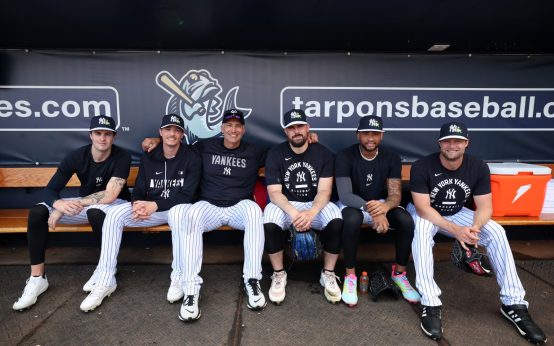 CC Sabathia Anticipates Yankees’ Game 1 Pitcher for ALDS After Beating Red Sox
 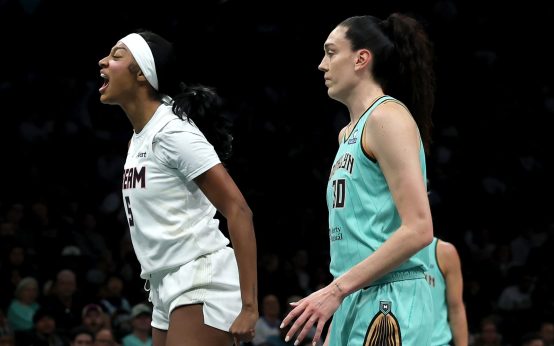 Atlanta Dream Progress to WNBA Semifinals
  Los Angeles Lakers Focus on Defense in Luka Doncic Era