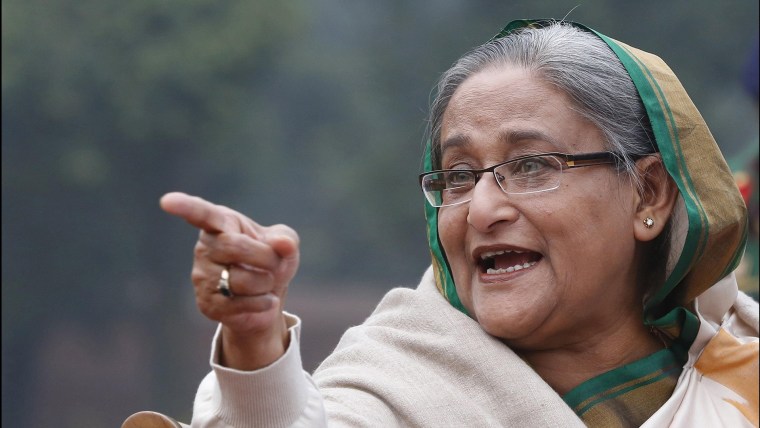
Sheikh Hasina, the ousted former Prime Minister of Bangladesh, announced her intention to return from exile in India this December. She made this statement despite facing a death sentence in Bangladesh for her role in a violent crackdown on protests in 2024. Hasina communicated her plan via an audio address at a New Delhi event marking the second anniversary of the uprising that led to her ousting. She emphasized her duty to return voluntarily, even though she was convicted in absentia for crimes against humanity.
After Hasina’s address, the Bangladesh government expressed strong disapproval of her media engagement in New Delhi. A statement from Bangladesh’s Ministry of Foreign Affairs was released, condemning the event as harmful to the relationship between Bangladesh and India. It criticized the timing of her engagement, coinciding with the second anniversary of the July Revolution.
“On a day when the people of Bangladesh are observing the second anniversary of the July Revolution, this interaction by Sheikh Hasina on Indian soil stands as an affront to the sovereignty of Bangladesh and a grievous insult to the martyrs of the July Revolution,” the statement declared.
Hasina fled to India in 2024 after student-led protests deposed her, and she has remained there ever since. In 2025, a Bangladeshi court sentenced her to death for crimes against humanity connected to the crackdown. A UN report indicated that nearly 1,400 people were killed during the crackdown, though Hasina denies any wrongdoing. Bangladesh has repeatedly sought her extradition, a request India has declined to fulfill.
In her address, Hasina stated, “I know that they may put me in jail, or they may kill me, or anything may happen, but still I have to go back. Fear cannot decide my duty to the people.” Protests against her attempted return escalated when security forces clashed with demonstrators trying to access her former official residence in Dhaka.
During the same period, Bangladesh’s Prime Minister Tarique Rahman inaugurated a memorial museum dedicated to the 2024 uprising. The July Mass Uprising Memorial Museum is located in Hasina’s former official residence in Dhaka. The project was launched by the interim government led by Nobel Peace Prize laureate Muhammad Yunus. Yunus, who assumed office shortly after Hasina’s ouster, joined Rahman at the museum’s opening. The museum showcases media from the uprising, personal effects of those who were killed, and documents political repression during Hasina’s 15-year tenure.
Rahman, a political rival and son of former Prime Minister Khaleda Zia, assumed leadership following a victory under elections managed by Yunus’s interim administration. Hasina’s Awami League party was banned from these elections.
 Maryland First State to Restrict Electronic Pricing in Grocery Stores
  Activists Push for Nationwide Ban on Child Marriage in the U.S.
 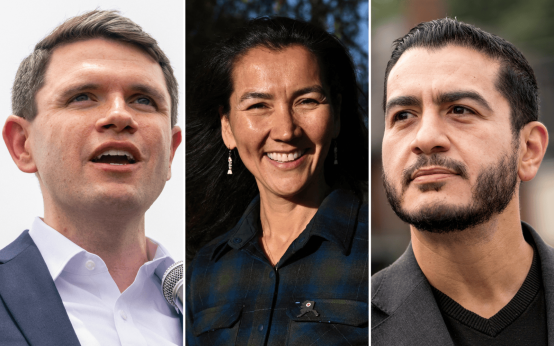 Democratic Hopes and Historical Warnings in 2026 Senate Race
  Republicans Face Challenges Amidst Cost of Living Concerns
 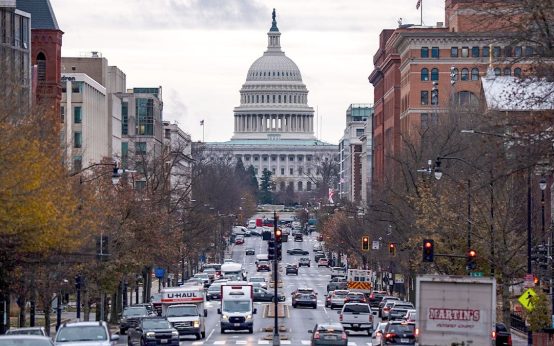 A Different Kind of Fall for Congress This Year
 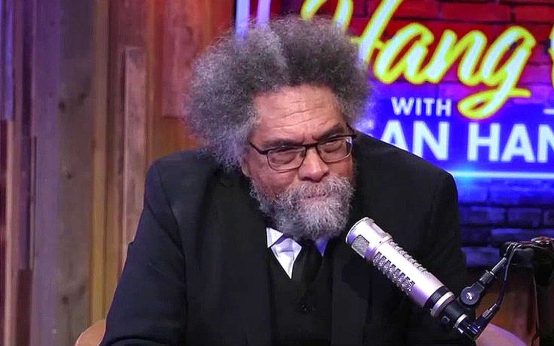 Cornel West and Sean Hannity Discuss Differences on Podcast