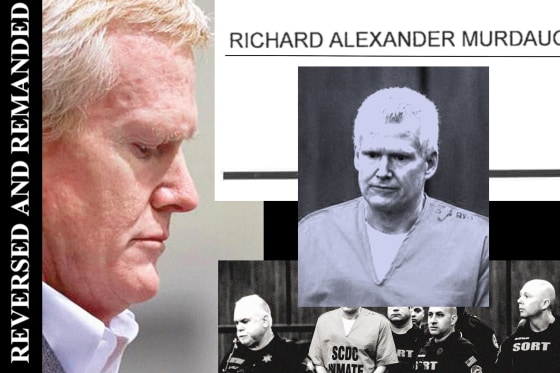
Controversy in Courtroom: The decision to overturn Alex Murdaugh’s convictions for the murders of his wife and son has sparked considerable debate and concern. A former prosecutor and criminal defense lawyer raised the fundamental question, highlighting the ambiguity in determining judicial misconduct: “If this doesn’t cross the line, then how do you decide where the line is?”
Case at the Core: The South Carolina Supreme Court’s decision centered on the actions of a court clerk. Allegations against this clerk were deemed so serious and egregious that they necessitated the reversal of Murdaugh’s guilty verdicts. The clerk’s alleged misconduct created a legal scenario where the integrity of the trial was undermined.
Legal Implications: This decision underscores the importance of ethical conduct in the judiciary. It serves as a reminder that the actions of individuals within the legal system can have profound effects on the outcomes of trials and on the public’s perception of justice.
In-depth Analysis: The case provides an opportunity for legal professionals and the public alike to reflect on the standards that guide courtroom behavior and the serious consequences of deviation from these standards.
 Immigration Judge Allows Deportation of Wisconsin Mosque Leader Salah Sarsour
  Lindsay Clancy Faces Potential Retrial After Mistrial
  Tennessee Prepares for Rare Execution of Woman on Death Row
  Mistrial in Lindsay Clancy Case: Juror Speaks Out
  Utah Judge Orders Release of Man on Death Row After DNA Evidence Emerges
  Kurt Olsen Resigns from the Justice Department Amid Investigation