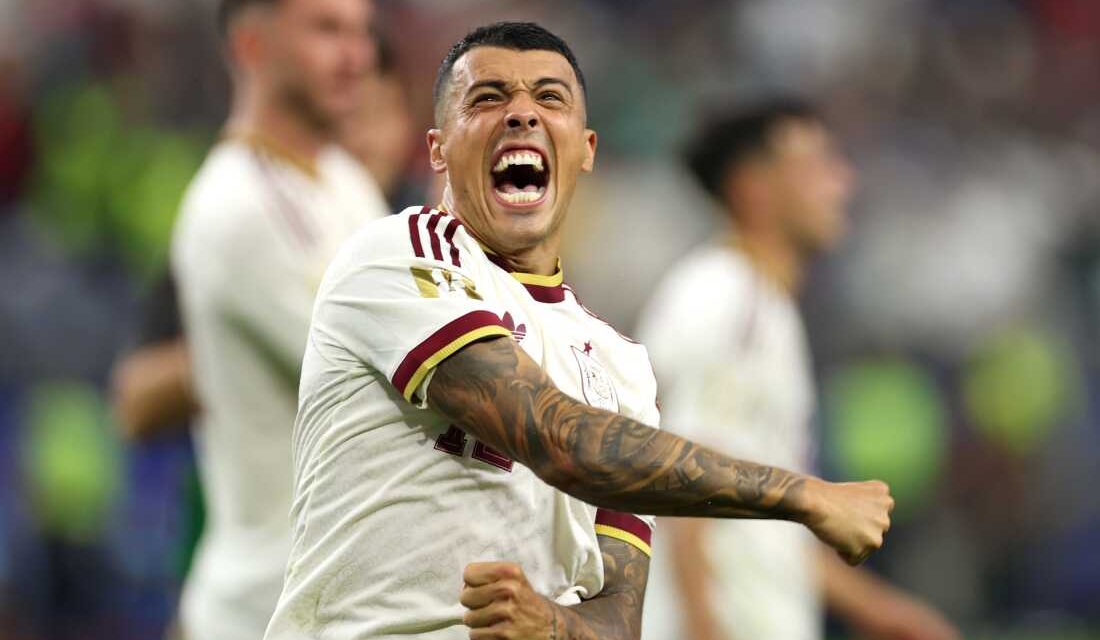
Pedro Porro, wearing jersey number 12, celebrated Spain’s 2-0 semi-final victory against France during the FIFA World Cup 2026. The match took place at Dallas Stadium in Arlington, Texas, on July 14, 2026. Porro’s excitement highlighted Spain’s journey to potentially making history in the tournament.
If Spain’s men’s national team secures a win in the upcoming final, the Spanish football federation will be the first to achieve consecutive World Cup victories for both its men’s and women’s teams. The women’s team clinched the 2023 World Cup and will defend their title in Brazil next year. The men’s team has a record of participating in 17 out of the 23 tournaments, with their last victory in 2010.
The FIFA Women’s World Cup began more recently, in 1991, compared to the men’s tournament, which started in 1930. With a limited number of champions, only the United States, Germany, Norway, Japan, and Spain have secured the title. Unique among them, Germany and Spain have also won the men’s World Cup.
Strength of Spain’s Men’s Soccer
Spain’s soccer league system is robust, with its top tier, La Liga, regarded among Europe’s best leagues. Real Madrid stands out as one of the most successful clubs, while FC Barcelona ranks as the third-most valuable in the world. Lionel Messi, during his career at Barcelona, broke Pelé’s record for most goals scored with a single club, making visits to Camp Nou a must for soccer enthusiasts.
In contrast, Spanish women’s soccer has faced challenges. Its league and national team have dealt with issues like poor coaching and inadequate funding. A major shift occurred in 2015 when the Women’s World Cup squad called for the removal of coach Ignacio Quereda, citing longstanding grievances about his leadership since 1988.
Challenges and Progress in Women’s Soccer
A 2021 documentary, “Romper el silencio,” revealed allegations of Quereda’s sexual and verbal abuse. Leading up to the 2023 Women’s World Cup, players again demanded better resources, with 15 players refusing call-ups until changes were made. The discourse reached a peak when federation president Luis Rubiales was embroiled in controversy following Spain’s 2023 victory.
Rubiales’ misconduct, notably a non-consensual kiss to player Jenni Hermoso, sparked protests. The women’s national team, including Hermoso, demanded Rubiales’ resignation and the dismissal of coach Jorge Vilda, who sided with Rubiales. Their firm stance turned the spotlight on the mistreatment of female athletes and resulted in Rubiales’ legal conviction and a three-year suspension.
The Spanish men’s team has shown support for Hermoso. Striker Borja Iglesias openly refused to play until Rubiales left, and his embrace with Hermoso post the France match stood as a strong gesture of solidarity. Spain now looks forward to facing Argentina at 3 p.m. ET this Sunday in New Jersey.
The ongoing commitment among Spanish players to push for reforms reflects a broader movement for equality and respect in sports.
 Activists Push for Nationwide Ban on Child Marriage in the U.S.
  Investigation into Alleged Incident at Cornell University
  Rising Drone Threats Highlight Vulnerabilities in Moldova’s Airspace Defense
 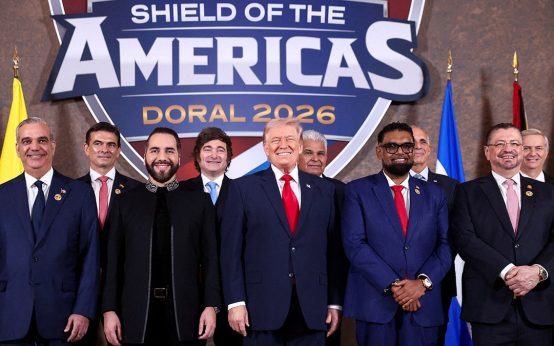 Bolivia Faces Security Test Amid Unrest
  Incident on FlyDubai Flight Raises Security Concerns
 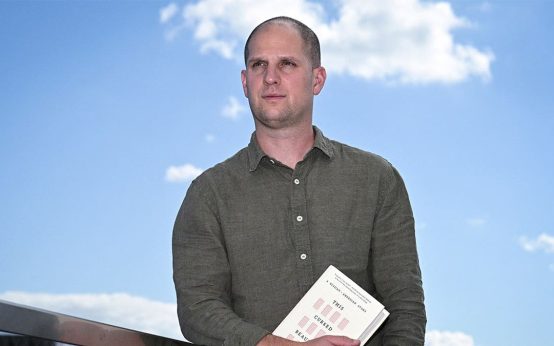 Journalist Gershkovich Discusses Wrongful Detention and Release in Russian Prisoner Swap