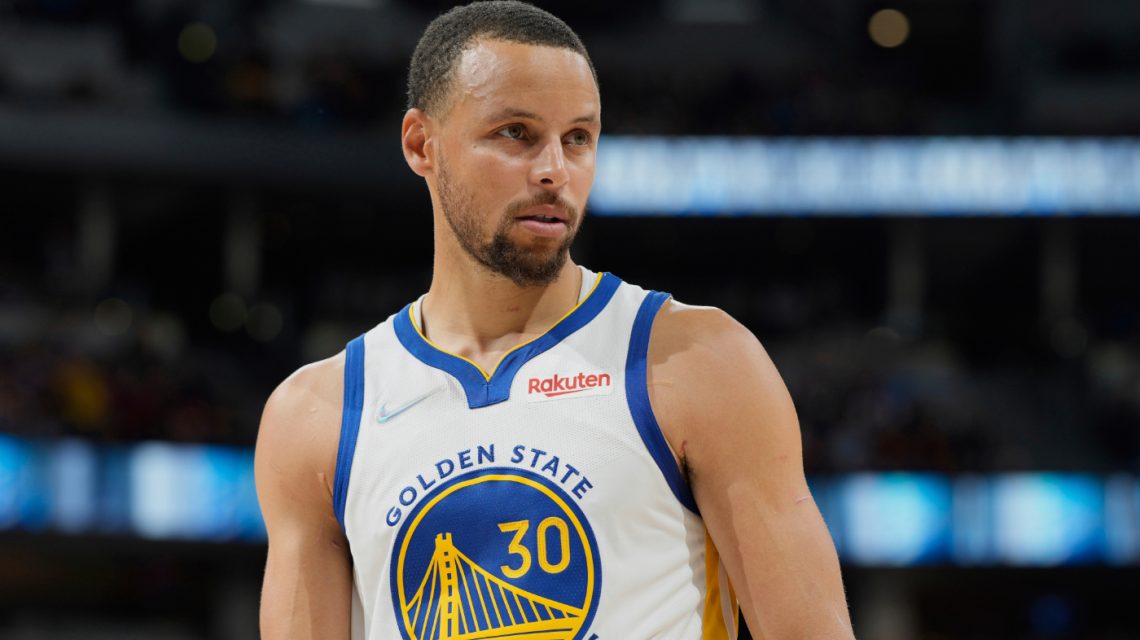
Stephen Curry, a standout guard for the Golden State Warriors, has become a global icon, not just for his basketball talents but for his image as a person of integrity and character. Recently, however, his decision to partner with apparel company Li-Ning has sparked significant criticism due to the company’s connections with forced labor allegations in China.
The NBA, renowned for its showcase of athletic excellence, often serves as a platform for both sportsmanship and ethical leadership. Athletes in this league possess a unique platform, merging fame with opportunities for advocacy.
Curry’s reported 10-year, $400 million deal with Li-Ning brings to light a serious ethical dilemma. Li-Ning, a Chinese company, faces scrutiny for potential involvement in forced labor practices linked to the Uyghur region. While the allegations against the company are severe, with documentation by U.S. and international bodies, partnerships by prominent athletes lend credibility and trust to the endorsed brands.
The U.S. Department of Labor has reported that since 2016, regions like Xinjiang have seen Uyghurs and other Muslim minorities subjected to forced labor and other human rights abuses.
Decisions like Curry’s raise the question of how fame and commercial deals align with moral values. The Uyghur Forced Labor Prevention Act shows the U.S. commitment to addressing such abuses by presuming goods from mentioned regions involve forced labor. Therefore, Congress acts to prevent American consumerism from indirectly supporting these practices.
Already, corrective measures have been taken, as indicated by the ban on Li-Ning goods in the U.S. in 2022. Representative Chris Smith’s efforts to further examine these imports indicate a broader, ongoing scrutiny.
Instances like these also highlight how influential figures often demonstrate selective activism, choosing causes that involve less risk or discomfort, particularly against large markets like China. True leadership, as illustrated by the Women’s Tennis Association’s withdrawal from China based on human rights violations, involves consistent moral stances despite the stakes.
Sports institutions and figures must uphold ethical standards if they promote justice and equity. Endorsements involve more than financial gain; they come with an implicit trust and communication of values.
The context surrounding Curry’s deal reminds us that the entertainment value of sports is augmented by the social responsibility carried by its notable figures. Fans, athletes, and organizations need to navigate the intersection of commerce and ethical responsibility carefully to maintain the integrity and influence of such a popular sport.
Ambassador Sam Brownback, with experience as a U.S. ambassador-at-large for international religious freedom, and Enes Kanter Freedom, a former NBA player and human rights advocate, highlight these issues. Both argue for a sporting world where excellence is matched by ethical conscience, ensuring respect for all communities engaged directly or indirectly with the sports sector.
 Yankees Sweep Red Sox in AL Wild Card Series
  Arike Ogunbowale Shines in Dallas Wings’ Overtime Victory
  Dallas Cowboys Acquire Joey Porter Jr. in Major Trade
 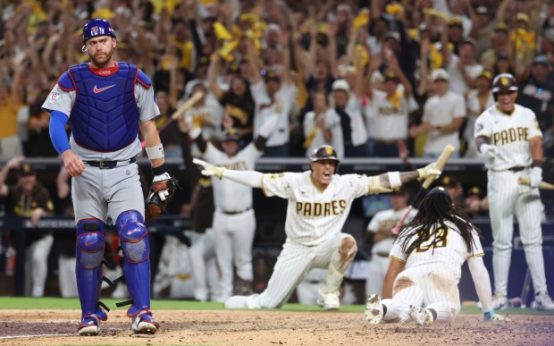 Chicago Cubs Struggle in Wild-Card Series Against Padres
 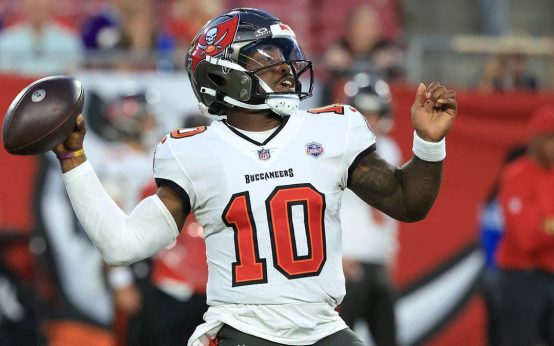 Jalon Daniels to Start for Buccaneers in Crucial Game Against Packers
 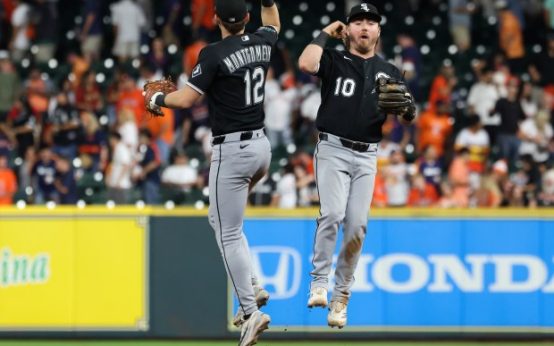 White Sox Advance to AL Division Series Against Guardians