Escalating Conflict Between U.S. and Iran
On Tuesday, the United States initiated attacks on Iran following President Donald Trump’s announcement of an American blockade of Iranian ports. This decision also involves charging ships for safe passage through the Strait of Hormuz. In retaliation, Iran targeted U.S. allies in the Middle East. The moves have disrupted an interim agreement designed to pause hostilities and reopen the critical strait, which is vital for global energy supplies. Without swift diplomatic intervention, the situation risks escalating into a full-scale war.
Importance of the Strait of Hormuz
This strait serves as a key route for transporting a significant portion of the world’s traded crude oil and natural gas. Iran’s strategy of attacking and threatening ships in this area had a profound impact on global markets, driving up the price of goods such as oil and fertilizer amid a pre-existing struggle with rising living costs.
An interim deal had been intended to reopen this passage, but Iran’s continued aggression towards ships has jeopardized these efforts. The U.S. has threatened to use force to keep the strait open, demanding a large military presence. Experts suggest that this might necessitate tens of thousands of American troops on Iranian territory.
U.S. and Iran Exchanges of Fire
The U.S. Central Command reported that strikes targeted various strategic areas in Iran, including coastal defense systems and missile sites. Iran acknowledged these strikes but has yet to provide details on casualties or damage. The U.S. military highlighted that the strikes aim to deter Iranian forces from attacking civilians and shipping in the region.
President Trump announced the re-imposition of the blockade, prompting Iran to retaliate against countries like Bahrain and Jordan. Several ships, including those associated with the United Arab Emirates, suffered attacks. The Emirati Defense Ministry reported casualties and injuries from these incidents. Further unconfirmed hits on Iranian soil have been reported, increasing suspicions of Gulf Arab states potentially being involved.
Impact on Interim Peace Deal
The interim peace deal is under threat due to ongoing hostilities, with negotiations already hitting roadblocks halfway through a planned 60-day period meant to address not only current animosities but also Iran’s contentious nuclear program. Trump’s reintroduction of the blockade further complicates this agreement.
The U.S. plans to charge fees for protecting international ships, a departure from established U.S. freedom of navigation policies. This decision could escalate tensions further and create additional economic challenges globally.
Economic Consequences
The price of Brent crude oil rose significantly, threatening increased costs worldwide. The ongoing instability and potential blockade of the strait could exacerbate these issues, with potential disruptions extending beyond the impacted region.
Negotiations in the Region
Meanwhile, Israel and Lebanon are set to continue negotiations in Rome, with U.S. mediation. Despite past agreements, tensions persist due to Hezbollah’s involvement in the wider conflict, supporting Iran against Israel, and contributing to broader regional instability. Current truces may falter if the U.S. and Iran escalate their conflict.
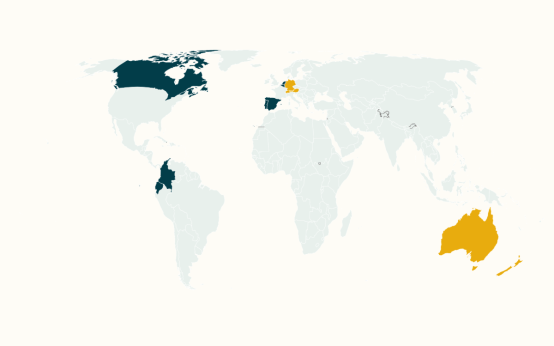 Dutch Review Board’s Euthanasia Ruling and International Debate
 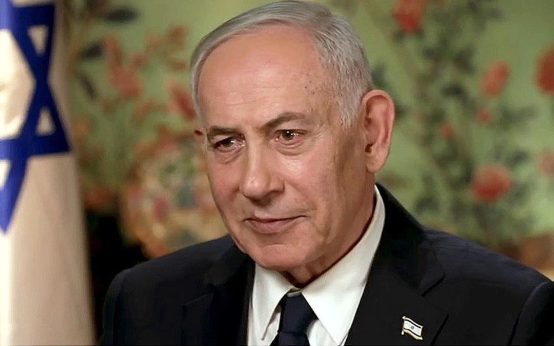 Israeli PM Commends Heroic Actions in Flight Emergency
  Rabbi and Jewish Leaders Criticize Adam Brody for ‘Genocide’ Comment
  Flydubai’s Emergency Landing Highlights Cockpit Security
 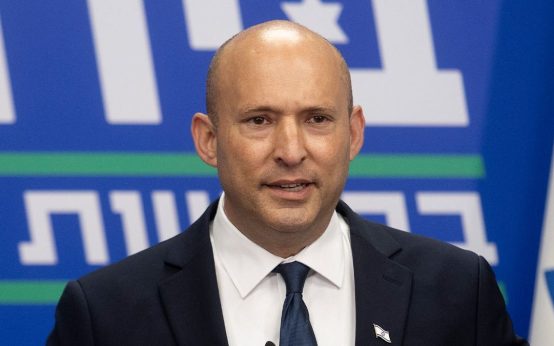 Former Israeli PM Naftali Bennett Commends Passengers and Crew for In-Flight Heroism
 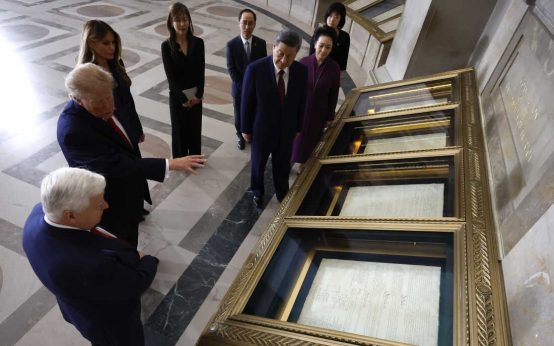 Diplomatic Complexities Unfold at U.S. National Archives Visit