Microplastics and Their Impact
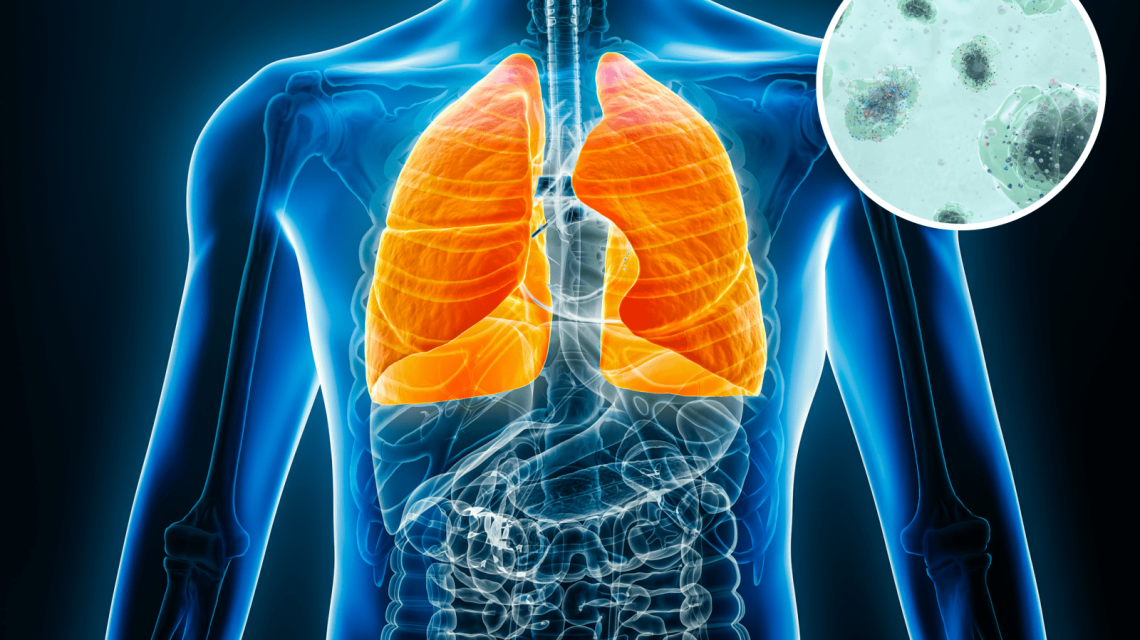
Microplastics have become an everyday concern, yet their effects after entering the body remain largely unknown. Recent research highlights a potential connection between microplastics and lung disease, particularly lung cancer.
Study Overview
Researchers examined patients with lung issues undergoing testing and found that those diagnosed with lung cancer more frequently had detectable microplastics in their lungs. Dr. Ilias Dimeas from University College Dublin School of Medicine and the University of Thessaly discussed these findings at the European Respiratory Society Congress.
This study demonstrates an association between microplastic presence and lung cancer, though causation is not established.
The study suggests microplastics may contribute to inflammation or other processes related to cancer. Further studies are needed to clarify these possibilities.
Research Methodology
The research involved 100 individuals undergoing bronchoscopy for lung symptoms at University Hospital of Larissa in Greece. This procedure allows doctors to examine airways and gather samples using a camera-equipped tube.
Participants provided lung-wash and, in some cases, lung tissue samples. Researchers identified 232 microplastic particles across the samples, with 70% of patients having detectable microplastics in at least one sample.
Key Findings
Patients with lung cancer had a higher microplastic burden than those without cancer. Notably, microplastics were detected in 66% of lung cancer patients’ samples versus 46% in those without cancer.
Polypropylene and polyethylene, common in everyday products, were the most frequent plastics identified.
Ongoing Questions
Findings suggest microplastics are more prevalent in the human lung than previously thought, indicating potential health benefits in reducing environmental plastic pollution.
While the study does not establish causation, the increased presence of microplastics in lung cancer patients warrants further research. Laboratory studies are underway to explore plastic interactions with lung cells.
The research team is also studying chronic lung disease samples to investigate microplastics’ role in lung scarring and disease progression.
 Increased Funding Needed for Psychiatric Hospitals
  Trump Administration Distributes ACA Refund Checks
  Higher Consumption of Ultra-Processed Foods Linked to Increased Health Risks
  Understanding Inflammation: Myths and Facts
  Calm Parenting: Strategies to Manage Stress
  Trump’s Executive Order to Combat Mosquitoes and Ticks in D.C.