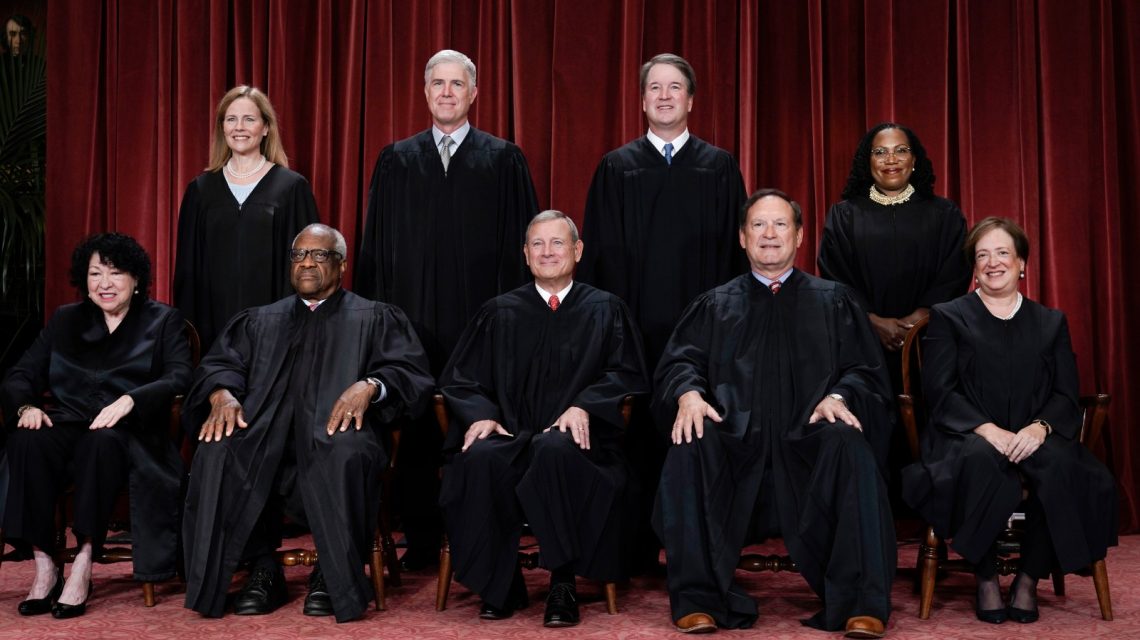
The Courtroom Atmosphere During Trump’s Visit
Supreme Court Justice Elena Kagan recently shared insights on the court’s atmosphere during President Trump’s attendance at a birthright citizenship case hearing. She described the event as a ‘non-event,’ noting that the courtroom’s vibes remained unchanged. This marked the first known instance of a sitting president attending oral arguments.
The legal principle under discussion, birthright citizenship, grants U.S. citizenship to nearly all individuals born on American soil, regardless of their parents’ immigration status. The Trump administration sought to alter this interpretation, a move halted by the Supreme Court’s 6-3 ruling against Trump’s executive order.
Justice Kagan’s Perspective on Court’s Independence
During a judicial conference, Kagan dismissed claims that the court’s conservative majority aligns closely with Republican legal priorities. She pointed to decisions against the Trump administration as evidence, including rulings on the birthright citizenship case and Trump’s tariff policy.
Speaking to judges and lawyers from the Ninth Circuit, Kagan mentioned that Trump’s court presence did not influence the proceedings. Chief Justice John Roberts did not announce or address Trump’s appearance, keeping courtroom operations standard.
Trump left the session partway, reinforcing Kagan’s observation that his visit was unlikely to recur. Trump’s statement on Truth Social emphasized his decision to skip court arguments regarding tariffs, fearing distraction during significant decisions.
Recent Supreme Court Rulings Against Trump’s Administration
“I don’t see this as a court that is just rubber-stamping what the current administration does.” – Justice Elena Kagan
Despite a conservative majority, the Supreme Court has opposed the Trump administration in notable cases. The court upheld the birthright citizenship principle established in United States v. Wong Kim Ark, rejecting attempts to limit its scope.
The administration aimed to deny automatic citizenship to children born to undocumented or temporarily present parents. However, Roberts reaffirmed the 14th Amendment’s Citizenship Clause, supporting longstanding interpretations.
Trump’s Tariff Case: A Major Setback
In February, the Supreme Court restricted Trump’s use of tariffs under the International Emergency Economic Powers Act (IEEPA). The ruling declared that the president lacked authority from IEEPA to impose tariffs, striking down a critical component of Trump’s trade policy.
Roberts emphasized the Constitution’s role in limiting taxing powers, expressing the court’s commitment to fulfilling its constitutional role.
Despite court opposition, Trump continues pursuing tariffs against trading partners like Canada, underscoring its significance to his administration’s economic agenda.
Public Confidence in the Supreme Court
Public confidence in the Supreme Court has waned, with approval ratings declining significantly. Gallup’s polling showed a drop from 58 percent in 2018 to 42 percent in 2025. Disapproval ratings have increased, reflecting concerns over the court’s engagement with divisive political and social issues.
Polls from YouGov/The Economist and Washington Post/Ipsos indicate skepticism over the court’s impartiality, with many Americans suspecting political bias in rulings.
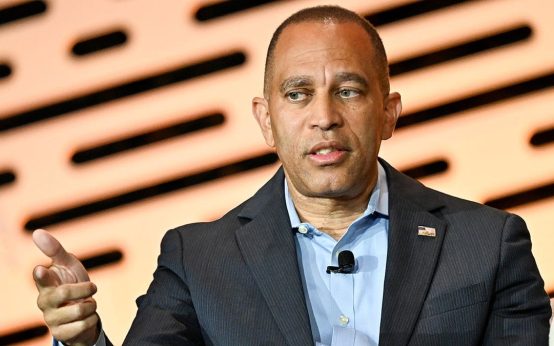 Upcoming Congressional Elections: Key Districts to Watch
  President Trump’s Pre-Midterm Interview on Key Issues
 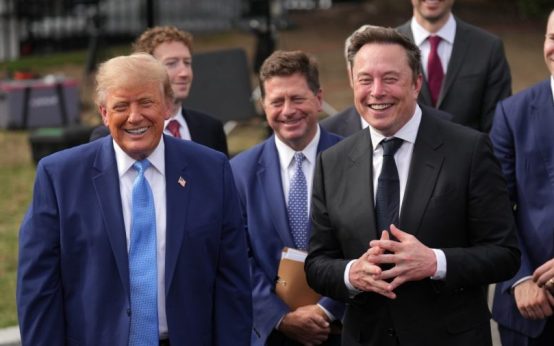 Trump’s 2024 Reelection and Evolving Voter Dynamics
  Defense Secretary Emerges as Key Player in the Trump Administration
  Hegseth’s Vision for the Military: Balancing Tradition and Innovation
 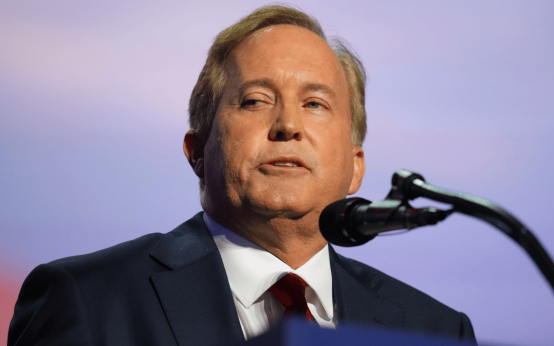 Significant Funding Boosts Ken Paxton’s Texas Senate Campaign Amid Tight Race