
In a notable decision, the Supreme Court ruled on Tuesday in the case of Trump v. Barbara. The court’s majority, comprising five justices, determined that the 14th Amendment provides citizenship to nearly all individuals born in the United States.
This interpretation aligns with a longstanding understanding of the Amendment, yet differing perspectives exist. Despite the compelling arguments on both sides, the court’s determination may not have been necessary to resolve the case at hand.
In April, advocates gathered outside the Supreme Court during the oral arguments relating to birthright citizenship. Supporters displayed signs featuring the message, “Born in the USA = citizen!” Many hoped the court would uphold this interpretation of the 14th Amendment.
The decision holds significant implications for citizenship rights and could influence future legal debates. However, some legal scholars argue that a narrower ruling could have addressed the case without delving into broader constitutional territory.
 Defense Secretary Emerges as Key Player in the Trump Administration
  Hegseth’s Vision for the Military: Balancing Tradition and Innovation
 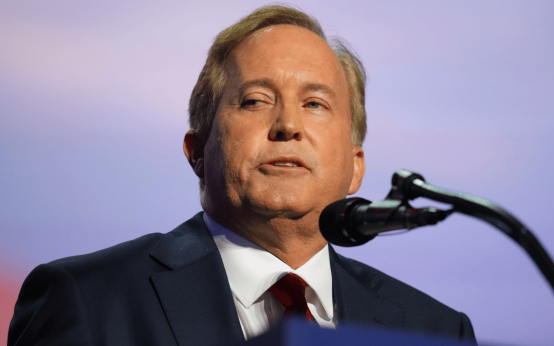 Significant Funding Boosts Ken Paxton’s Texas Senate Campaign Amid Tight Race
  U.S. States Extend Gas Tax Waivers Amid Rising Fuel Costs Due to Iran Conflict
  USCIS Raises Immigration Fees
 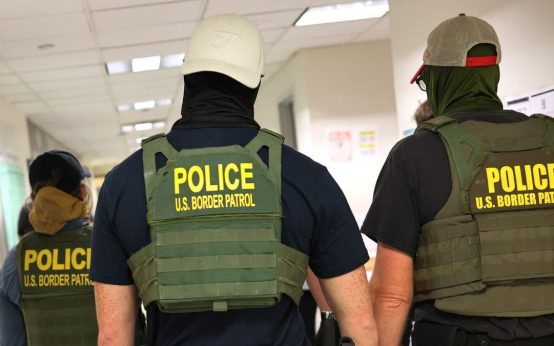 The Surveillance Threat to U.S. Federal Agents