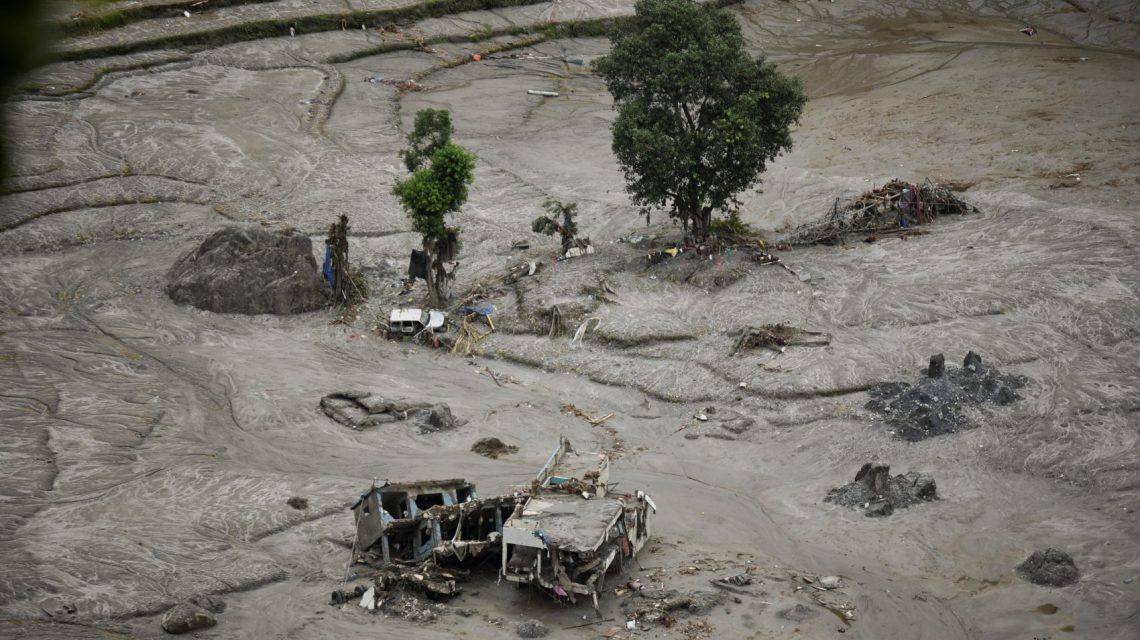
Catastrophic flooding has struck the Nepal-China border, claiming hundreds of lives and leaving thousands missing. Rescue efforts are underway, particularly at a hydropower site in Nepal where workers are trapped in tunnels buried in mud.
Survival in such extreme conditions depends on critical factors: access to oxygen, food, and water. Experts emphasize the importance of the initial 72 hours. Without clean water, survival chances drop significantly.
Disaster epidemiologist Jennifer Horney from the University of Delaware highlights the significance of emergency protocols in tunnels. If workers knew exit locations, their chances might improve. However, flooding could obstruct these exits with mud, complicating rescue operations.
“There really wouldn’t be a way to go much further than the three days without safe, drinkable water,” Horney remarked.
The availability of clean drinking water is uncertain. An aerial view shows buildings damaged and covered in mud near the Trishuli River in Betrawati Bazaar, Nepal.
Access to breathable air remains another crucial factor. Jakob Steiner, a geoscientist from the University of Graz, notes efforts to supply oxygen to some trapped workers. Yet, as days pass, concerns about suffocation increase.
Thinking beyond immediate survival, mental isolation is challenging, along with physical injuries. Columbia University’s Thomas Chandler cites a past Himalayan tunnel collapse where workers survived with supplied essentials for 17 days.
Tunnel climate conditions could exacerbate dehydration. Rescue and recovery efforts prioritize both physical and mental health support.
In nearby regions, Nepal Army personnel continue to search for bodies washed away by the floodwaters.
 U.S. States Extend Gas Tax Waivers Amid Rising Fuel Costs Due to Iran Conflict
  Historical Events in Chicago on October 1st
 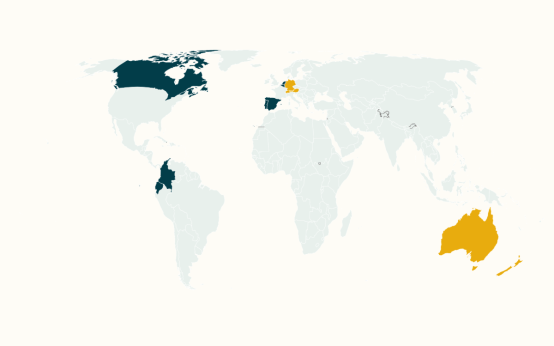 Dutch Review Board’s Euthanasia Ruling and International Debate
  Israeli PM Commends Heroic Actions in Flight Emergency
 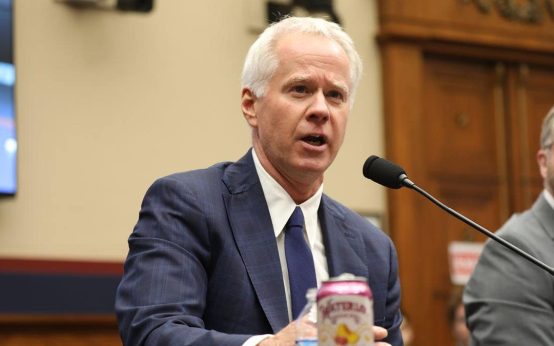 Patrick McEnroe Advocates for Collegiate Athletic Reform
  Push for Reparations Faces Challenges and Calls for Strict Eligibility