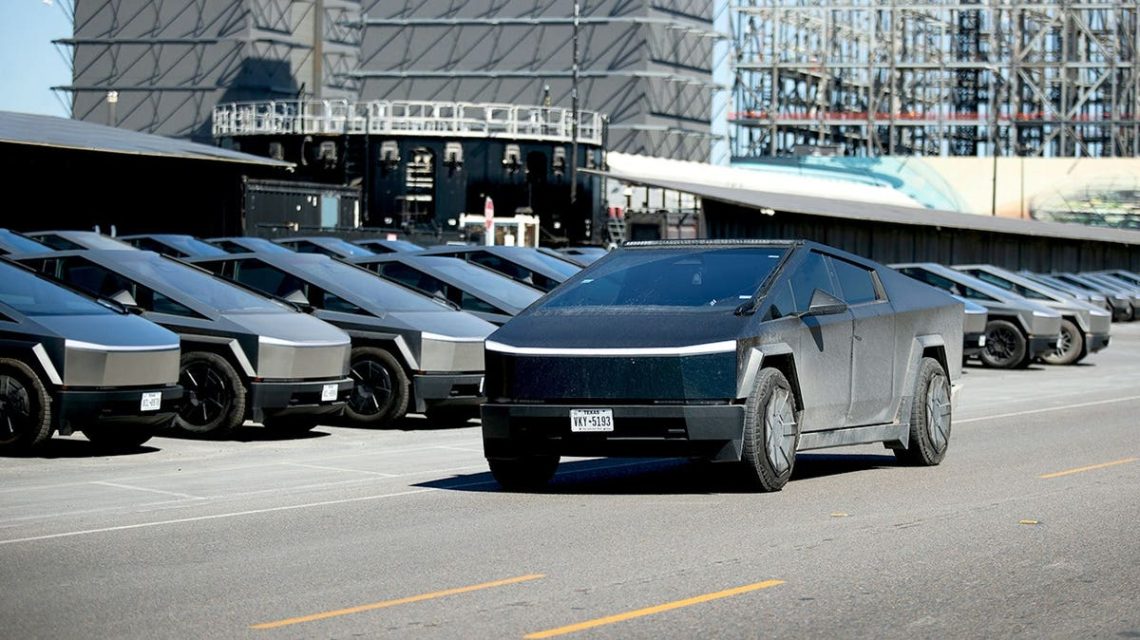
Elon Musk recently criticized Waymo’s robotaxis as ‘pet destroyers’ and introduced updates to Tesla’s robotaxis for better night-time pet detection. But this focus isn’t just on updates. Tesla is planning a major shift in production priorities.
Cybertruck’s Future in Doubt
The Cybertruck, recognized for its unique design and stainless steel body, is experiencing declining sales. Musk announced plans to wind down its production by mid-2027 in favor of the Cybercab, Tesla’s self-driving taxi. The Texas factory currently dedicated to Cybertruck production will be repurposed for Cybercab manufacturing.
This decision raises questions about the future of the Cybertruck. The company hasn’t confirmed whether production could move elsewhere or cease altogether. As of now, Texas is the only location equipped for its specialized manufacturing needs.
Sales Numbers Don’t Match Initial Hype
Initially, enthusiasm for the Cybertruck seemed high. Within days of its 2019 unveiling, there were approximately 250,000 reservations. Yet, many reservation holders didn’t convert these into purchases. Reported sales are much lower, with figures showing a steady decline from 2024 through 2026.
Originally priced at $39,900, the base model never reached customers at that cost. By 2026, the lowest available model costs significantly more, affecting buyer interest.
Recall Issues Add to Challenges
Since its introduction, the Cybertruck has faced multiple recalls. Reasons range from software to manufacturing issues. A noteworthy recall involved a problematic accelerator pedal pad and loose exterior panels, increasing potential risk.
Despite these recalls, no crashes or injuries related to specific defects have been reported. However, the negative publicity contributes to its challenging market position.
Cybercab: Tesla’s New Vision
Tesla’s pivot to the Cybercab marks a significant shift. These self-driving taxis aim to change urban transportation. Equipped without steering wheels or pedals, these two-seaters rely entirely on technology for navigation.
The Cybercab began transporting passengers in Austin, Texas, in 2026. While its concept is innovative, it faces scrutiny from regulators evaluating safety certification.
What Cybertruck Owners Should Know
For current Cybertruck owners, Tesla hasn’t indicated changes to existing warranties. Parts availability remains a consideration given the vehicle’s unique body. Future production plans might impact service and parts supply.
Prospective buyers should ask Tesla about these issues before purchasing. Vehicle recalls can be checked via VIN at the NHTSA website. Resale values depend on production volumes and demand.
Considerations for the Future
The transition towards Cybercab reflects Tesla’s commitment to driverless technology, with Musk prioritizing innovation over past commitments. Current Cybertruck owners deserve clarity about ongoing support as Tesla’s focus shifts.
 The Jensen Huang Controversy: Silicon Valley’s Divided Opinion
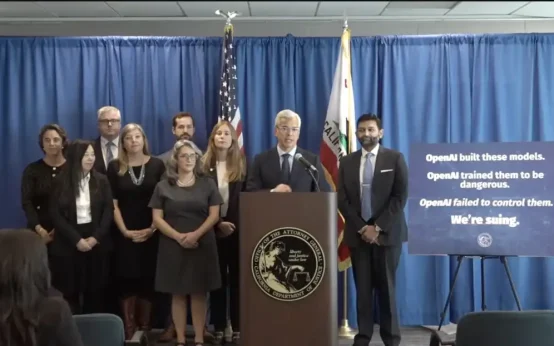 California Lawsuit Against OpenAI: Key Details and Implications
 Updates on Key International and Domestic Events
 E.l.f. Cosmetics Breaks Makeup World Record at TwitchCon
 Understanding Credit Freeze, Fraud Alert, and Identity Monitoring
 U.S. Restricts Remote Access to AI Chips Amid National Security Concerns