
The Role of Pets in Human Health: A Complex Relationship
Recent research challenges the idea that simply owning a pet leads to improved physical and mental health. A study from the University of Basel, published in PLOS One, found limited evidence linking pet ownership directly to better health.
Insights and Observations
The study analyzed data from 2,328 adults, highlighting that emotional support and time spent with pets were more significant than mere ownership. Although pet companionship is often associated with reduced loneliness and stress, findings suggest that the ‘pet effect’ is more nuanced.
Understanding these complex results involved examining factors such as attachments to animals and socio-emotional support they provide. Surprisingly, pet ownership alone did not correlate with enhanced life satisfaction or social support.
Exploring Emotional Connections
Women and individuals who spent more time with pets reported stronger emotional bonds. However, these connections did not always equate to happiness. Some pet owners revealed slightly poorer health and increased smoking compared to those without pets, implying deeper dynamics at play.
These findings, drawn from Swiss adults, cannot establish causality. They suggest people with existing challenges might turn to pets for consolation rather than pets causing health discrepancies.
The Unique Impact of Dogs
Interacting with dogs resulted in greater emotional attachment and perceived support than interactions with other animals. Women particularly reported higher levels of attachment. These results underline the importance of the owner-animal bond.
A Call for Broader Research
The authors stress the need for future studies to look beyond ownership. Exploring quality interactions and their roles in daily lives would provide actionable insights.
The study’s limitations include its Swiss-only adult sample and reliance on self-reported data, captured only once. Future research should involve diverse populations, objective health metrics, and longitudinal studies.
For pet owners, the study emphasizes that while pets offer benefits, the complexity of the human-animal connection must be considered. Emotional ties often outweigh ownership in influencing health and well-being.
 Increased Funding Needed for Psychiatric Hospitals
  Trump Administration Distributes ACA Refund Checks
  Higher Consumption of Ultra-Processed Foods Linked to Increased Health Risks
  Understanding Inflammation: Myths and Facts
  Calm Parenting: Strategies to Manage Stress
 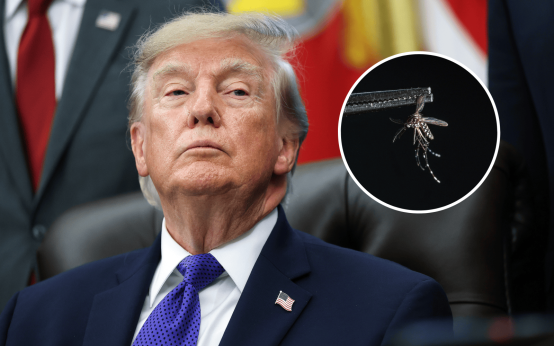 Trump’s Executive Order to Combat Mosquitoes and Ticks in D.C.