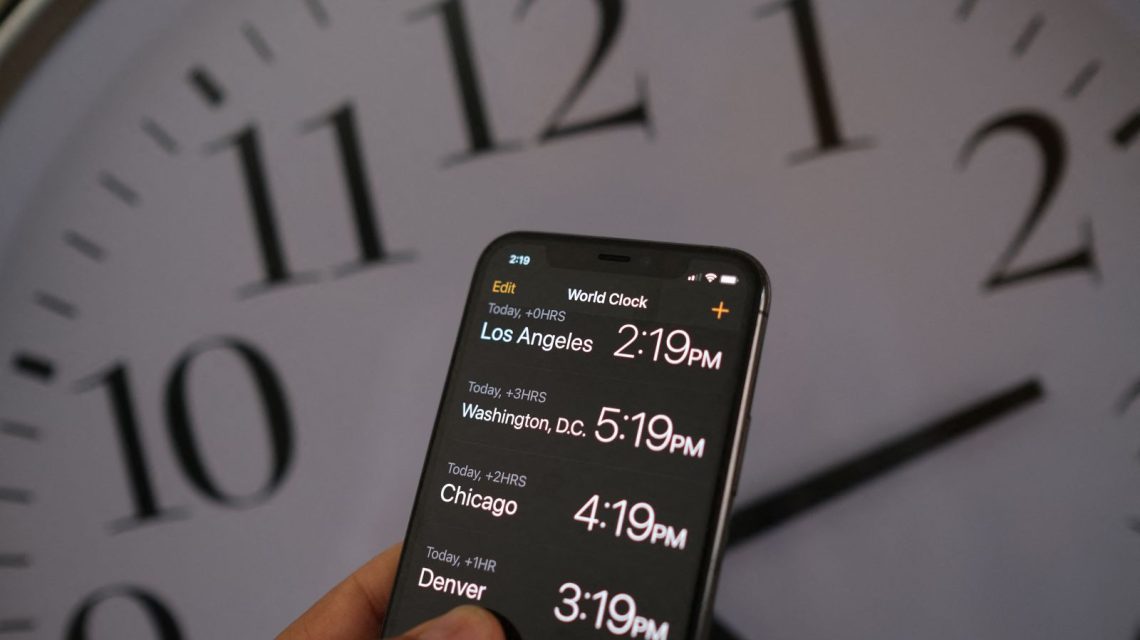
Approval of Permanent Daylight Saving Time in Some States
Nineteen states have approved permanent daylight saving time, although these laws require federal approval before taking effect. As the November 1 clock change approaches, the decision now rests with the U.S. Senate. The legislation has stalled there, despite clearing the House earlier this year. This reflects a growing desire to maintain daylight saving time permanently. However, with no Senate vote scheduled and lawmakers leaving Washington soon, Americans are likely to set clocks back an hour on November 1.
Importance of the Daylight Saving Time Debate
The shift to or from daylight saving time impacts almost all Americans. Permanent daylight saving time would mean more evening daylight and fewer clock changes annually. Some experts, however, warn against altered sleep cycles due to late winter sunrises. The issue gained attention when the House passed the Sunshine Protection Act. President Donald Trump supported permanent daylight saving time, calling it more convenient and potentially cost-saving.
“People are sick and tired of having to change their clocks twice a year,” Trump shared on Truth Social. “It is foolish, inconvenient, and costly.”
States Approving Permanent Daylight Saving Time
Currently, 19 states have passed measures allowing permanent daylight saving time, contingent on federal approval. These states include:
- Florida (2018)
- Delaware (2019)
- Maine (2019)
- Oregon (2019)
- Tennessee (2019)
- Washington (2019)
- Idaho (2020)
- Louisiana (2020)
- South Carolina (2020)
- Utah (2020)
- Wyoming (2020)
- Alabama (2021)
- Georgia (2021)
- Minnesota (2021)
- Mississippi (2021)
- Montana (2021)
- Colorado (2022)
- Oklahoma (2024)
- Texas (2025)
Some states require neighboring states to enact similar laws. Trump advocates for fewer time changes, citing decreased crime and improved health outcomes.
Senate Deliberation and Timing
The Sunshine Protection Act, having passed the House, awaits Senate action. It currently resides with the Senate’s Committee on Commerce, Science and Transportation, with no floor vote scheduled. With limited session days left in the Senate calendar, the likelihood of resolving this before November 1 is low.
Support for permanent daylight saving time varies among senators. Concerns exist about late winter sunrises, reflecting past issues during a 1974 experiment.
Scheduled Clock Changes on November 1
Americans will turn clocks back an hour on November 1, reverting to standard time. The 19 states awaiting permanent daylight saving still require Congressional approval to enact changes. Current federal law permits states to maintain standard time permanently, as Hawaii and Arizona do, but not adopt permanent daylight saving time unilaterally.
Looking Forward
The key development relies on when the Senate might schedule a vote on the Sunshine Protection Act. If successful and signed into law, states with existing approvals could proceed. Without Senate action, the twice-a-year clock changes will continue, with 19 state laws remaining inactive.
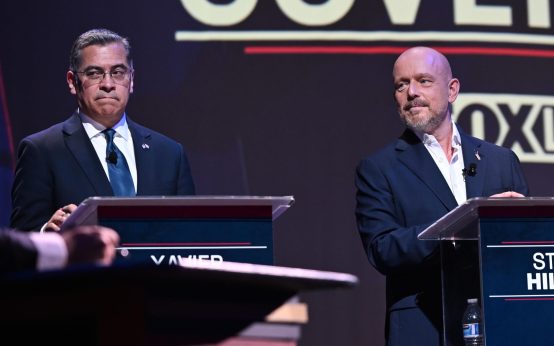 Becerra and Hilton Clash in California Gubernatorial Debate
  California Voters to Decide on $7.5 Billion State Research Fund
 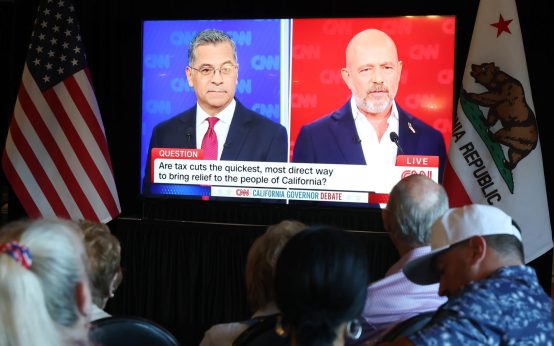 Highlights from the California Gubernatorial Debate: Becerra vs. Hilton
  Becerra vs. Hilton: The Debate and Key Issues in the California Governor Race
  Senate Confirms New Labor Secretary
  Hegseth’s Ambitious Military Initiatives to Reshape Warfare