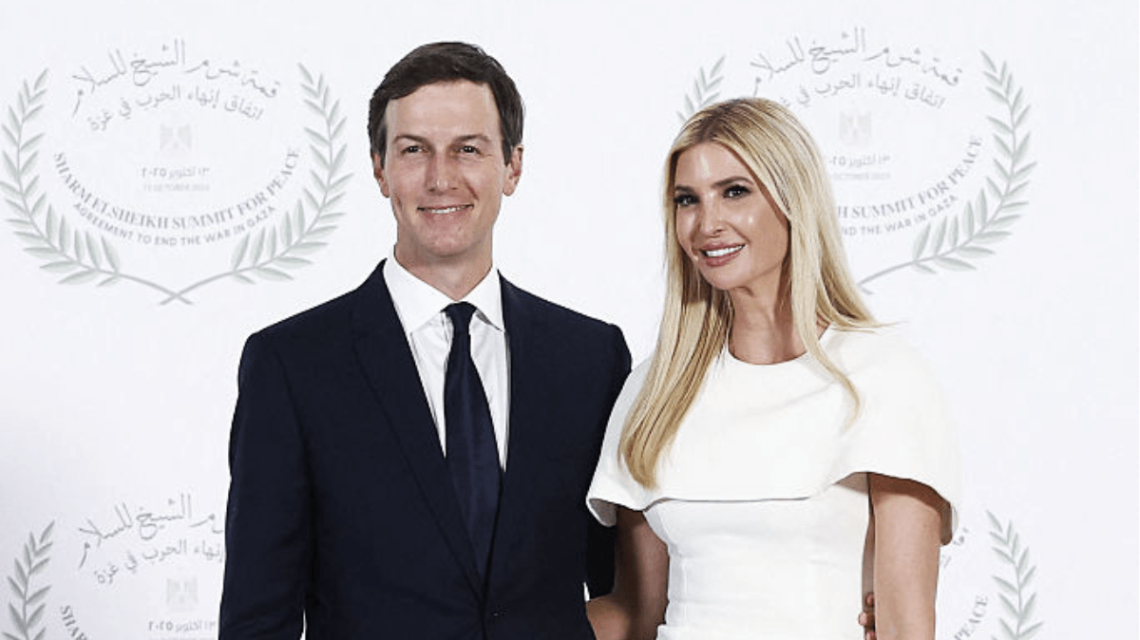
Jared Kushner’s Diplomacy in the Middle East
Jared Kushner recently entered a significant diplomatic arena by meeting Khalil al-Hayya, the leader of Hamas, during a Middle East tour. This event marked a break from a longstanding diplomatic freeze. Kushner, son-in-law to former President Donald Trump, aimed to revitalize stalled Gaza peace talks with Israeli Prime Minister Benjamin Netanyahu. He faced the additional challenge of an expiring negotiation window between the U.S. and Iran, which intended to address issues such as Iran’s nuclear program and Strait of Hormuz access.
Negotiation Challenges and Achievements
Kushner has a history as a central figure in numerous diplomatic successes under Trump. His negotiating skills were instrumental in crafting major agreements like the USMCA, which replaced NAFTA. His contributions earned him Mexico’s highest honor for a foreign citizen. He later played a pivotal role in the Abraham Accords, an initiative praised during its White House signing ceremony.
Despite these achievements, Kushner’s diplomatic style faces limitations. His reliance on a small team of special envoys, and the lack of broader diplomatic engagement, underscores the risks. Under Trump’s tenure, the concentration of efforts in individuals like Kushner raised concerns about the weakening of the diplomatic framework essential for enduring peace.
The Necessity of a Diplomatic Infrastructure
“Jared’s results often seem overshadowed by the absence of necessary diplomatic support,” said Daniel Shapiro, a former U.S. ambassador to Israel.
Statistics highlight the State Department’s struggles. By August, nearly half of key diplomatic positions remained unfilled. AFSA reported significant reductions in positions and resources critical to negotiations with countries like Iran. Many nations saw the absence of dedicated American ambassadors, suggesting an imbalance in diplomatic engagements.
Comparisons and Historical Context
History shows the effectiveness of special envoys backed by solid diplomatic support. George Mitchell’s involvement in the 1998 Good Friday Agreement and Richard Holbrooke’s role in the Dayton Accords exemplified the importance of comprehensive diplomatic teams.
Kushner’s achievements often benefited from existing diplomatic interests, turning mutual incentives into actionable agreements. Yet, conflicts like those in Gaza, Iran, and Ukraine remain unresolved due to fundamental disagreements among the parties involved.
Diplomatic Insights from AFSA
A survey by AFSA revealed that 86% of U.S. Foreign Service members felt that changes since 2025 have hindered their diplomatic capabilities. Nearly all respondents reported low morale, reflecting the strains of a skewed approach where diplomatic efforts are concentrated in a few individuals rather than a broader infrastructure.
The emphasis on personalities like Kushner in diplomacy reveals both the potential and pitfalls of sidelining traditional diplomatic practices. While effective negotiators can spark agreements, the sustained implementation and maintenance of peace rely on robust diplomatic frameworks.
 White House Press Secretary Highlights Trump’s Ohio Rally; Responds to Hochul’s Post
  Musk’s Political Reengagement and Its Implications
  House Democrat Proposes Abolishing DHS in Favor of Community Safety
  No Evidence of White House Press Secretary’s Law Practice Admission
  The Paradox of Immigration Policies Highlighted by Satya Nadella’s Award
  Senators Urge Trump to Revoke Diesel Deal with Russia