The Politics of Avoidance
The upcoming election is marked by avoidance. Many voters are motivated by preventing or stopping outcomes rather than pursuing gains. Inflation and the economy remain key concerns, impacting political dynamics.
Democratic Lead
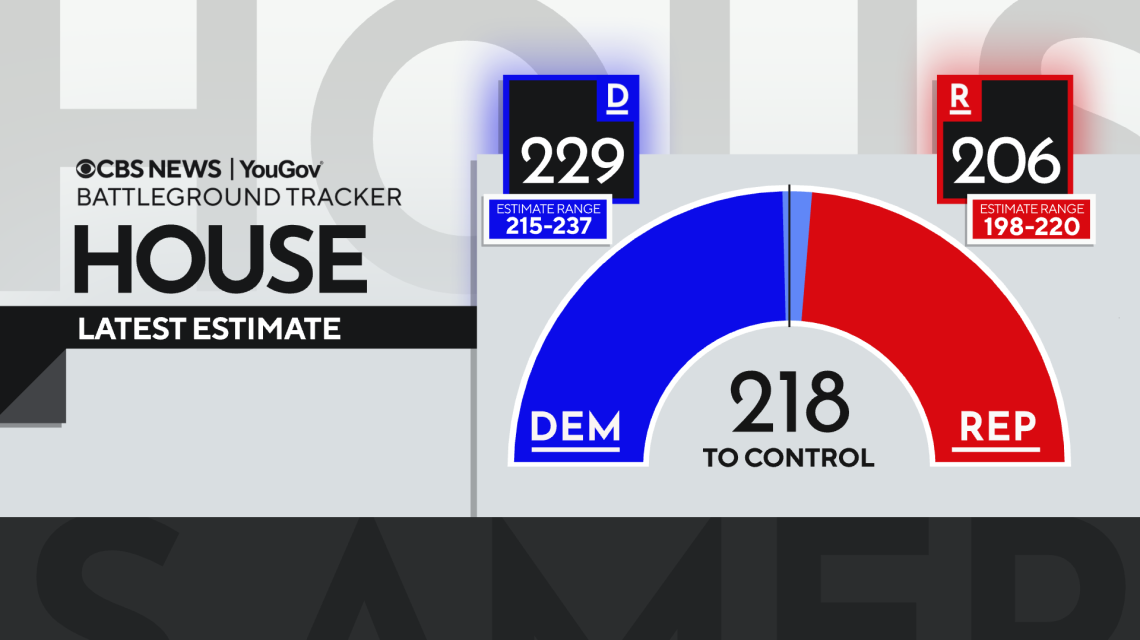
Democrats hold a lead in the race for a House majority. According to CBS News House model estimates, they are projected to secure 229 seats, with potential outcomes reaching into the 230s. Despite this, Republicans have a slim chance to maintain their majority.
Recent weeks show a stable Democratic lead, but no significant expansion. The undecided and uncertain voter group tends to lean Republican, affecting the potential election outcomes.
Motivation Driven by Opposition
Voters express a strong opposition-driven motivation. For example, many believe gas prices will rise if Republicans win. However, there is skepticism about Democrats reducing gas prices.
Criticism for both parties persists. Democrats face doubts about their financial plans and are perceived not to improve financial situations. Conversely, more voters feel financial deterioration under Republican leadership.
Presidential Influence
The president remains a central election factor. High voter numbers focus on supporting or opposing presidential influences. Specifically, Democrats largely aim to oppose Trump or Republicans rather than actively support Democratic policies.
For Republicans, Trump motivates support among the party base. The Democrats’ edge partly stems from a higher proportion of early voting and declared intent to vote.
Undecided Republicans, if motivated, could shift the election dynamics.
Voter Sentiment
Few voters expect gas prices to decline irrespective of election results. Rising gas prices are more often associated with a Republican victory. Financial improvement doubts persist among voters.
Corruption concerns resonate with voters, potentially influencing decisions. The Trump factor continues playing a significant electoral role.
Party Plans and Voter Perceptions
Neither party is widely viewed as having a clear plan post-election. A substantial portion of Democratic supporters cast votes more to oppose Trump than to advance the Democratic agenda.
Republicans less influenced by Trump maintain opposition to Democratic policies.
Impact on Lifestyle and Other Issues
Many voters perceive threats to their lifestyle from the opposing parties. Particularly, MAGA supporters view Democrats as a threat. Additionally, transgender issues rank as significant for voters prioritizing them, where Republicans lead.
Immigration and Economic Views
A third of voters believe Democrats prioritize immigrants over citizens, leaning Republican. Another third believe Democrats cater to both groups, favoring Democratic support.
Economic assessments reflect ongoing negativity, with perceived financial priorities influencing voter inclination. Democrats attract voters critical of perceived presidential self-interest.
Republican Views and Trump’s Campaigning
Trump’s campaign efforts could mobilize Republican base support, though its impact varies across party members.
Confidence in voting processes remains largely positive. Democrats show higher confidence levels than Republicans.
Concerns about illegal voting by non-citizens persist among Republicans.
Survey Details
The CBS News/YouGov survey involved 2,355 U.S. adults between October 21-23, 2026. The sample reflects national representation across demographics. The margin of error is ±2.6 points for the total sample, ±2.9 points for registered voters, and ±3.0 points for likely voters.
Seat estimates derive from a statistical model incorporating poll data, district characteristics, and historical patterns. These estimates describe current party standings and may shift with new data.
 Mayor Mamdani’s Policing Reform Plans
 Gen Z Voter Shifts and Their Impact on the 2026 Midterm Elections
 Disappearance of US Senate Candidate Raises Questions
 DOJ Rule Change Reduces Appeal Time for Immigrants Facing Deportation
 Hakeem Jeffries’ Bid for House Speaker Faces Progressive Hurdles
 Ohio Judge Dismisses Defamation Lawsuit by Rep. Max Miller