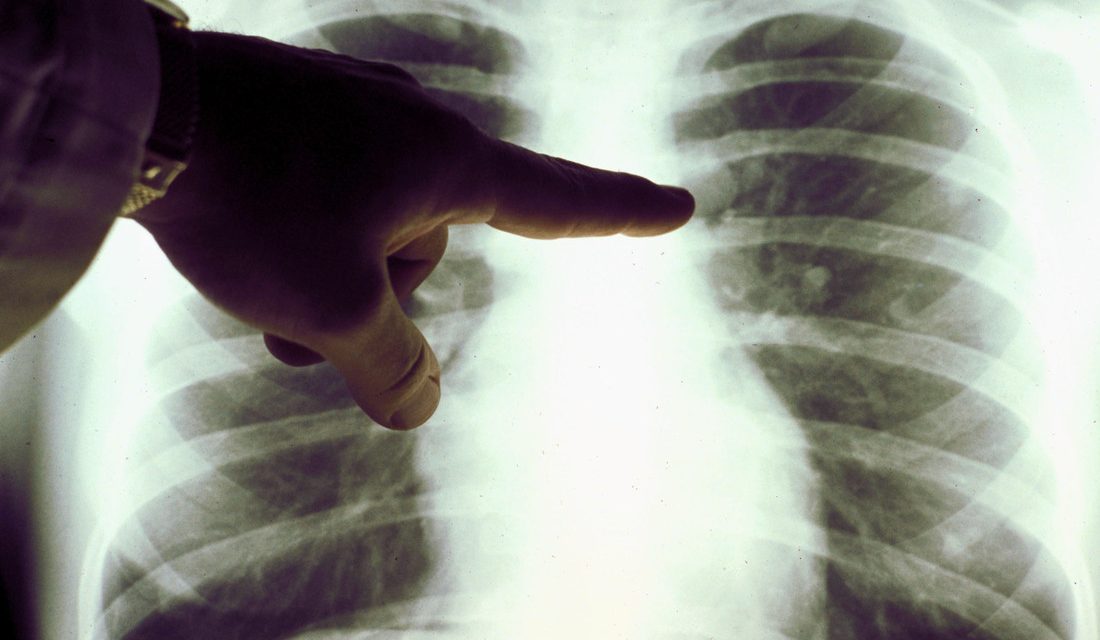
One of the earliest recorded mentions of cancer is found in an ancient Egyptian text from about 3000 B.C. Today, we understand that cancer originates as a sequence of mutations within a person’s DNA. Despite this knowledge, finding a cure remains a challenge.
Historical Treatments
Throughout the centuries, various methods have been used to treat cancer, ranging from pastes and salts to teas and cauterization. In the 1700s, British surgeon Percivall Pott identified a clear environmental cause of cancer, noting that chimney sweeps developed a specific cancer type from soot exposure, which influenced regulations on the minimum age for chimney sweeps. Nevertheless, this discovery focused more on cancer prevention than treatment.
Cancer was often considered a death sentence, offering patients a limited lifespan,says Mariana Stern, a cancer epidemiologist at the University of Southern California. Surgery was a common treatment for many years. However, scientists realized that residual cancer cells could grow back if left behind after surgery. This understanding prompted the search for additional treatments.Developments in Cancer Treatment
At the turn of the 19th century, physicians discovered that radiation could treat cancer. Swedish doctors Tor Stenbeck and Tage Sjogren independently cured patients of skin cancer using X-rays. However, while radiation could successfully treat cancer, it also posed risks of causing cancer, especially among early radiologists who frequently exposed their own skin to determine dosage levels. Today, radiation is much more targeted.
Chemotherapy emerged in the mid-1900s as a way to eliminate cancer cells unreachable by surgery or radiation. These drugs target cells that divide rapidly— a key feature of cancer cells. Cancer survival rates have significantly increased in recent decades, though outcomes vary widely across different types of cancer.
Understanding Cancer’s Complexity
Each cancer type has unique characteristics,explains Stern. Consequently, discovering a singular cure for all cancers is unlikely. Researchers now focus on enhancing prevention and treatment tailored to each type. Understanding cancer development is essential in this approach. Most cancers arise from random DNA mutations, although 5-10% are genetic. Multiple environmental and internal carcinogens contribute to the mutation accumulation, including sun exposure, tobacco, certain diets, and even some infections.Stern emphasizes that age is the leading carcinogen, as cellular deterioration and mutation accumulation increase with age. Almost half the population may face cancer in their lifetime, but Stern clarifies that lifestyle changes can mitigate some cancer risks despite aging.
Modern Cancer Treatments
Recent advancements have led to more personalized cancer treatments.
A breast cancer patient might receive a different treatment from another with the same diagnosis, based on tumor characteristics,says Stern. Individualized treatments have grown partly from understanding those from specific populations—like Hispanic communities, American Indian, Alaska Native, and African-American populations—are underrepresented in cancer research.Stern’s research focuses on these groups, noting that the lack of diverse representation introduces disparities in treatment. Many medicines are streamlined for those with European ancestry, which may not be optimal for all patients.
An emerging treatment option involves leveraging a patient’s immune system to combat cancer cells effectively. This method shows promise as the immune system inherently monitors and targets tumors.
Despite technological advancements, access to cancer treatments remains a significant challenge. Stern stresses the need for universal access to cutting-edge treatments for all cancer patients.
Questions about medical advances can be directed to [email protected].
Listen to Short Wave on Spotify, Apple Podcasts, and Google Podcasts. Support NPR’s work by subscribing to Short Wave+ at plus.npr.org/shortwave.
This episode was produced by Berly McCoy, edited by Rebecca Ramirez, fact-checked by Brit Hanson, with audio engineering by Gilly Moon.
 Understanding Inflammation: Myths and Facts
  Calm Parenting: Strategies to Manage Stress
  Trump’s Executive Order to Combat Mosquitoes and Ticks in D.C.
  Overcoming Weight Loss Challenges: Brain Health and GLP-1 Medications
  Supporting Children’s Mental Health at Home: Practical Steps for Parents
  Abdul El-Sayed’s Strategy to Attract Health-Conscious Voters in Michigan