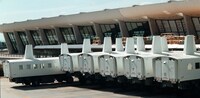
Over 50 years ago, Washington Dulles International Airport showcased a vision of modern airport transportation with its mobile lounges. Now, these vehicles might soon bow out as major renovations are announced. President Donald Trump has introduced plans for a significant overhaul of the Northern Virginia airport, with features promising large glass windows and gold accents, as reported by Dan Diamond and Liam Scott.
This multibillion-dollar project includes the potential phasing out of the mobile lounges. These shuttles have long facilitated movement between the Main Terminal and Concourse D, between Concourses A and D, and to customs in the International Arrivals Building. While officially termed ‘mobile lounges’ or ‘plane mates’, many passengers simply refer to them as ‘people movers’. Reactions to their potential retirement are mixed, with some travelers nostalgically recalling their rides and others eager for an upgrade.
Our travel reporters delve into the implications of this transition. Memories of the mobile lounges stir up various feelings among travelers. Some, like Natalie, express a sense of nostalgia mixed with relief. Others, like Andrea, recount the challenges and confusion of navigating these unique vehicles.
The confusion often lay in knowing where to sit for a quick exit or understanding the entire boarding process, a sentiment Andrea also shares.
Despite these frustrations, Natalie finds them reminiscent of futuristic characters like the robot from Pixar’s ‘WALL-E’. Architect Eero Saarinen designed the mobile lounges as mobile waiting rooms complete with cocktail service. However, over time, the novelty of this design seems to have faded.
Discussions about what should replace the mobile lounges bring various ideas to the table. Andrea and others suggest a more straightforward inter-airlink system, similar to Minneapolis Airport, where terminals are connected efficiently. They propose walkable zones or a train system to improve passenger flow.
Natalie is in favor of incorporating design elements from airports like San Francisco, such as landscaped terraces and garden paths, allowing travelers fresh air and a pleasant walking experience. Such elements may enhance the overall passenger journey, especially during long layovers.
Aside from efficiency, aesthetics also play a crucial role in the proposed renovations. Gold accents and high ceilings have been mentioned as part of the new design. However, function and intuitiveness remain top priorities for a successful airport redesign, emphasizing clarity in navigation and easy access to amenities.
As the mobile lounges prepare to retire, some propose creative ways to repurpose them, from turning them into bars, boutique shops, or even children’s play areas, preserving a piece of airport history for future travelers to appreciate.
 Rising Trend: Solo Travel Gains Popularity
  Unusual In-Flight Behavior Leaves Passengers Stunned
  Royal Caribbean Cancels Costa Maya Stop, Divides Passenger Opinions
  Fall Activities and Entertainment Options in Southern California
  Navigating Accommodation Challenges in New York City
  TSA Stops Passenger with Concealed Knife at Tampa Airport