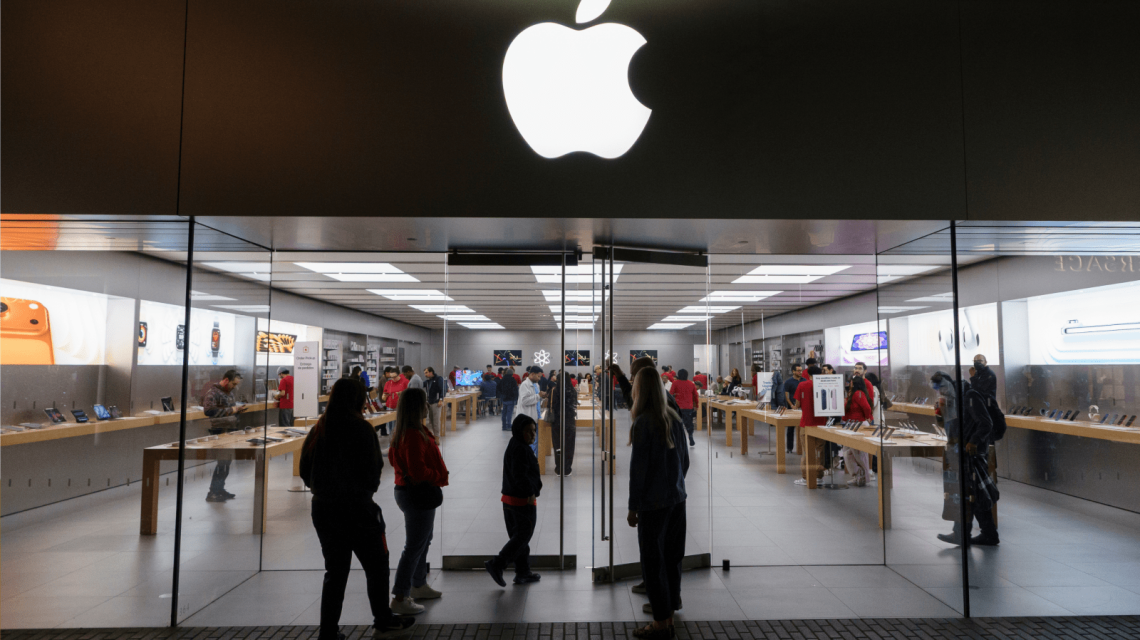
Introduction to Apple’s iPhone 18
Apple is set to introduce its iPhone 18 lineup in September 2026. Analysts suggest this release could be one of the first major consumer products affected by ‘AI inflation.’ This term describes the rise in costs driven by the demand for artificial intelligence infrastructure, affecting smartphone component prices.
Rising Costs in the iPhone 18 Models
According to estimates from analysts reported by The Washington Post, certain models of the iPhone 18 might be priced at least $100 higher than their predecessors. This anticipated increase is due to growing costs of smartphone components as the technology sector manages higher prices for memory chips and other parts increasingly allocated to AI data centers.
Reasons Behind the Expected Price Surge
The global shortage of memory chips is a key factor influencing these prices. This shortage stems from the rapid growth in AI infrastructures. Major companies such as Microsoft, Amazon, Google, and Meta are spending billions on AI-focused data centers, leading to an exceptional demand for special memory products. As production prioritizes AI servers’ high-bandwidth memory, the availability of chips for consumer electronics like smartphones has tightened.
According to TrendForce, memory prices have been experiencing a ‘major upcycle’ since late 2025, intensifying financial pressure on smartphone manufacturers, including Apple. Their market intelligence predicts iPhone 18 prices could rise by 10 to 20 percent due to elevated component expenses.
GF Securities Analyst Jeff Pu forecasts the iPhone 18 Pro and Pro Max models could see a price surge of $200 to $300 compared to earlier versions. This increase is attributed to heightened costs for advanced processors, DRAM memory, and NAND storage.
AI’s Influence on Consumer Pricing Dynamics
The prediction of increased iPhone prices underscores a larger economic trend referred to as AI inflation.
High-end AI servers demand significantly more memory than consumer smartphones. Thus, technology firms are vying for identical components. The Washington Post reports the substantial investment scale in AI infrastructures is transforming semiconductor supply chains, driving up costs across the tech sector.
Apple has indicated that rising component prices are straining its ability to absorb costs. In June, the company raised prices on several Mac and iPad models, with certain configurations increasing by up to $500.
Features Expected in iPhone 18
Aside from pricing, Apple’s new launch is expected to emphasize AI capabilities.
TrendForce notes the iPhone 18 Pro series will include Apple’s latest A20 Pro chips, crafted on TSMC’s 2-nanometer process, designed to enhance AI performance on devices while also boosting efficiency. Upgraded cooling systems, improved cameras, and larger batteries are predicted features.
The September event is anticipated to unveil Apple’s inaugural foldable iPhone, with some analysts estimating its price might surpass $2,000.
Consumer Implications
If predictions are accurate, the iPhone 18 might become a significant indicator of impending technology price rises.
Experts highlight that Apple is not singularly affected by rising component costs. Principal Android manufacturers also depend on similar suppliers for memory chips, suggesting potential price hikes across the smartphone industry in forthcoming months.
For consumers already dealing with years of general inflation, the iPhone 18 offers preliminary insight into how the AI surge is impacting everyday purchases, expanding beyond data centers into commonly used devices.
Newsweek has attempted to contact Apple representatives for comments. For inquiries regarding this story, Matthew Cannon and Cristina Diciu at Newsweek are the editors to reach out to.
 Trump Unveils AI-Powered America.gov Platform
  Trump’s 2024 Campaign Targets Young Men Through Cryptocurrency
  How Modern Windows Improve Home Insulation
  State Department Simplifies Passport Process with Online Applications
  Senate Democrats Block Data Center Bill Over Efficiency Concerns
  Future Cities: Ambitious Projects Aiming for Innovation and Sustainability