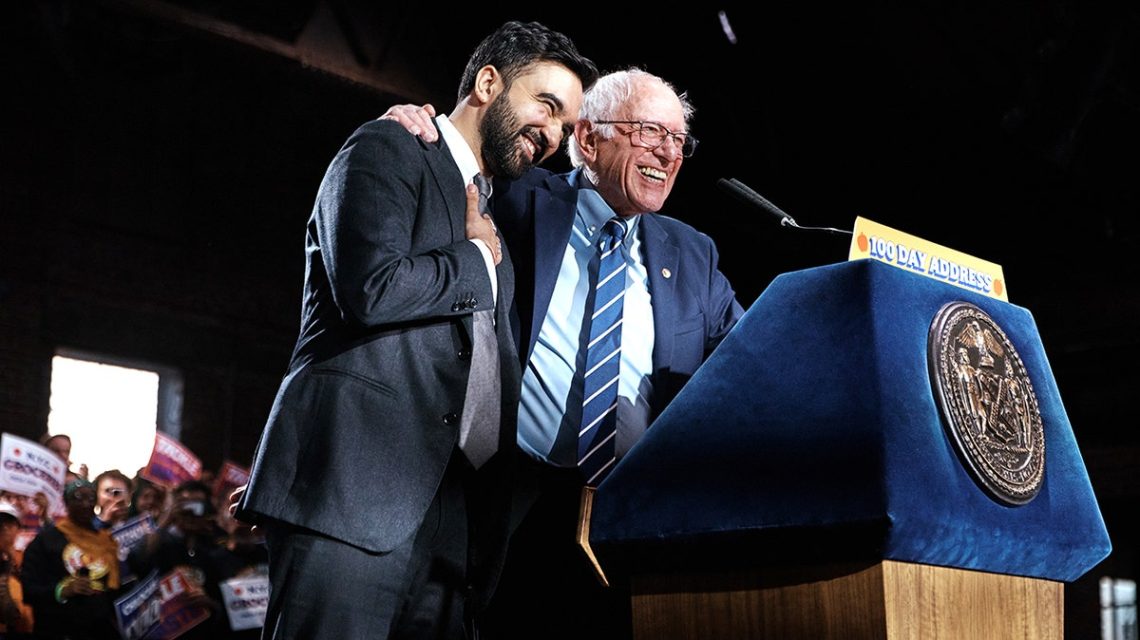
The Democratic Socialists of America (DSA) have transitioned from a marginal group to a significant influence within the Democratic Party in a short time. This shift raises concerns about the party’s future and its relationship with Black and brown voters.
DSA’s growth can be seen in influential positions, such as New York Mayor Zohran Mamdani, who has gained traction in political circles. Reports suggest that the DSA is advocating for radical changes, including calls to abolish the U.S. Senate. These proposals are not simply policy differences; they represent a push towards socialism, with some elements even bordering on communism.
Electoral Dynamics and Challenges
In New York City’s primaries, Mamdani’s influence faced challenges. Although he eventually won, he initially lost significant support among Black voters, highlighting a disconnect between the DSA and key demographic groups. This pattern is not unique to Mamdani; similar electoral trends were observed with DSA member Darializa Avila Chevalier’s victory in New York’s 13th Congressional District, where her support was rooted in younger and college-educated voters rather than the working-class Hispanic base.
The electoral struggles indicate a rift between the DSA’s ideology and the priorities of Black and brown voters. A senior campaign adviser’s comments underscoring Black homeownership as a tool of oppression sparked backlash from community leaders. Such statements underline the disconnect with and resistance from the communities DSA purports to represent.
Demographic Insights
The DSA’s own survey from 2021 reveals that its membership is predominantly White, highly educated, and financially well-off, painting a picture that contradicts its working-class rhetoric. This demographic reality poses challenges in appealing to a broader, more diverse electorate.
Prominent Democrats and analysts, such as Van Jones, have criticized the DSA’s policy agenda, arguing that extreme positions could drive voters away. HBO host Bill Maher and former Biden aide Yemisi Egbewole have echoed these sentiments, emphasizing the danger of the DSA’s growing influence on the Democratic Party’s traditional coalition.
Policy Implications
The DSA’s policy proposals, including abolishing police and prisons, ending cash bail, and advocating for government intervention in housing and education, signal a radical departure from mainstream Democratic policies. Critics argue these ideas jeopardize public safety and economic stability, particularly in minority communities.
The National Black Empowerment Action Fund has taken action against the DSA, investing significantly in campaigns warning about the potential regression of social and economic progress.
Conclusion
The DSA’s aggressive pursuit of socialist policies raises serious concerns about its impact on the Democratic Party’s ability to maintain a broad, inclusive coalition. While the DSA may represent a vocal segment, its discordant relationship with key voter groups and controversial policy positions threaten to undermine the party’s electoral prospects. Moving forward, Democratic leaders face the challenge of reconciling these internal divisions to ensure long-term viability and alignment with their core constituencies.
 The Trump Team’s Challenge to the Military Leadership
  Maryland First State to Restrict Electronic Pricing in Grocery Stores
  Activists Push for Nationwide Ban on Child Marriage in the U.S.
  Democratic Hopes and Historical Warnings in 2026 Senate Race
  Republicans Face Challenges Amidst Cost of Living Concerns
  A Different Kind of Fall for Congress This Year