More than six and a half years have passed since the onset of the COVID-19 pandemic, yet understanding its origins remains a critical task. The global impact includes an estimated 28 million excess deaths and over $18 trillion in economic losses in the United States alone, according to a bipartisan Heritage Foundation commission.
The Need for a Thorough Investigation
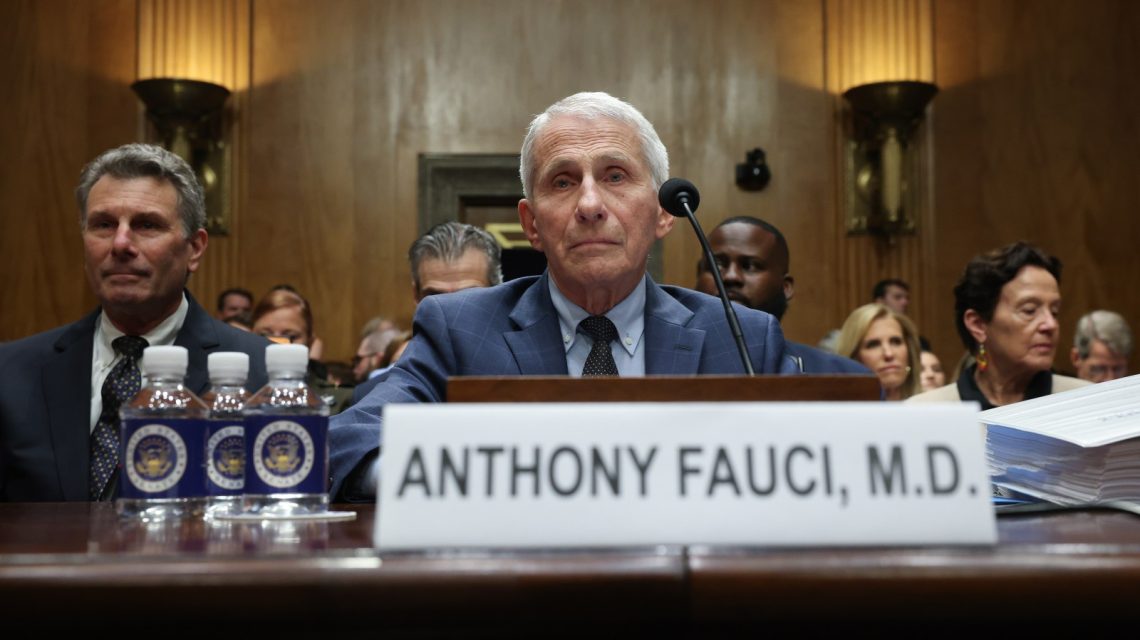
Uncovering the origins of COVID-19 is not about revisiting the past but about preventing future pandemics. Calls for a comprehensive investigation have been ongoing since early 2020. Recent efforts include a Senate hearing spearheaded by Senator Rand Paul, though it shifted to a confrontation with Dr. Anthony Fauci, rather than an exploration of the origins.
Such a focus detracted from answering crucial questions, despite Dr. Fauci’s significant role in public health and previous research on viruses. The stakes are too high to be sidetracked by political disputes.
The Role of Research and Funding
Research on viruses has been a point of contention. Prior to COVID-19, efforts involved making viruses more transmissible to anticipate future threats and develop responses. Dr. Fauci and others recognized the risks, emphasizing secure and controlled environments for such studies. However, transparency about what research took place, specifically at the Wuhan Institute of Virology, is lacking.
American funding, although limited, supported research there, highlighting a need for scrutiny of these activities given the absence of reliable information outside China on COVID-19’s origins.
The Path Back to China
Drawing attention to the Chinese government’s role is crucial. The outbreak in Wuhan, far from natural habitats of relevant bat species, and the research conducted there, raise questions. No animal carrying the virus has been found, nor has its transmission pathway been clarified.
China has not shared laboratory records or early patient data, making it hard to assess all credible hypotheses. The WHO also reported a lack of Chinese cooperation in revealing early viral information, affecting transparency.
Accountability and Bipartisan Efforts
While holding China accountable is necessary, so is inspecting U.S. actions and decisions. Scrutiny should be about obtaining answers, not vilifying individuals. Dr. Fauci’s invocation of the Fifth Amendment reflects personal threats, not an admission of guilt, though public frustration over unanswered questions persists.
Partisan divisions hinder progress. A call for a bipartisan national COVID commission mirrors the 9/11 Commission’s approach. Its goal is a comprehensive review of the pandemic’s origins, including research funding, biosafety, and biosecurity, among other factors. Without pre-determined conclusions, it aims to uncover the necessary insights for future preparedness.
The Urgency of Preparedness
Biotechnology advancements provide tools to manage disease but also introduce new risks. Current regulatory capacities may not adequately address these challenges, as noted in Congressional testimonies. The next pandemic could impose greater costs if we remain unprepared.
Recent hearings demonstrate the ongoing need for answers and the insufficiencies of current strategies. Understanding the past between COVID-19’s emergence and the next potential pandemic is crucial for global readiness.
Jamie Metzl, a futurist and author, founded OneShared.World. He has served on the U.S. National Security Council and the Senate Foreign Relations Committee. His perspectives are presented here.
 Increased Funding Needed for Psychiatric Hospitals
  Trump Administration Distributes ACA Refund Checks
  Higher Consumption of Ultra-Processed Foods Linked to Increased Health Risks
  Understanding Inflammation: Myths and Facts
  Calm Parenting: Strategies to Manage Stress
 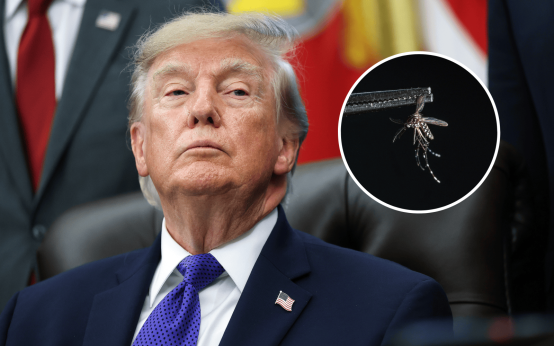 Trump’s Executive Order to Combat Mosquitoes and Ticks in D.C.