Fifty years ago, Los Angeles residents were captivated by a concept that seemed ideal for the city’s car-centric lifestyle. Proponents believed it combined the comfort of a car with the reach of a mass transit system. This idea was based on the belief that residents would not give up their cars for public transport. Despite awareness that car emissions caused severe smog and memories of the Arab oil embargo causing long fuel lines, optimism for this transit alternative remained high amid worsening traffic congestion.
Introducing ‘Personal Rapid Transit’
In 1976, after the bicentennial celebrations, USC’s C.G. Burke proposed ‘personal rapid transit’ to improve Los Angeles’ developing subway and light rail plans. Burke envisioned elevated guideways over major roads. Instead of traditional trains, the system would use electric pods where users input destinations via computer. Though designed primarily for solo travelers, these pods could carry several passengers, offering an experience akin to car travel. With a target of 232 miles of track and 89 stations, the emission-free system promised stops every few blocks, alongside express lanes for faster travel at up to 60 mph.
Burke and supporters argued that PRT overcame the limitations of traditional mass transit. They contended that public transportation could be appealing rather than a burden inflicted on urban dwellers. Politicians and academics skeptical of conventional rail transport presented models illustrating the pods maneuvering along the guideways. L.A. Councilman Joel Wachs, in a TV interview, promoted the PRT as the only system rivaling the automobile’s convenience and safety.
The Decline of the ‘Perfect Car’
Despite enthusiasm, skepticism about PRT’s technology, cost, and feasibility persisted. Imagining a cityscape with extensive elevated guideways was challenging. Mayor Tom Bradley supported rail development, aiming to establish a subway along Wilshire Boulevard during his tenure. Yet the anti-rail sentiment hampered L.A.’s progress toward modern transit systems significantly.
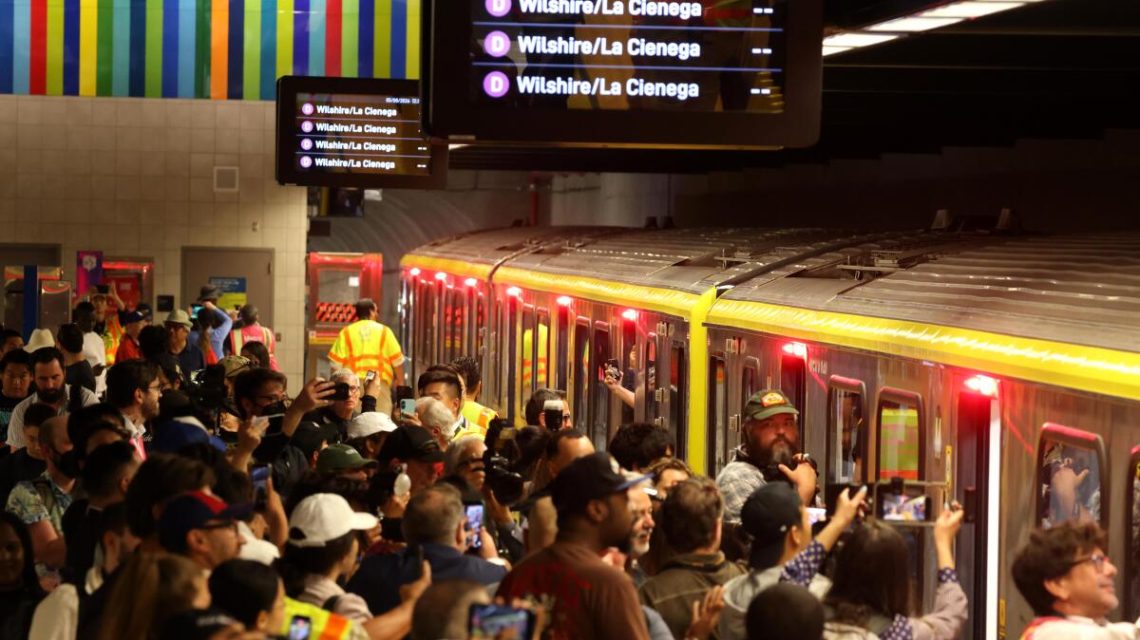
The long-desired Wilshire subway eventually opened, but only in 2026, not in the initial projected timeline. Today, there is widespread acceptance of expanding L.A.’s rail network, though solo car travel remains dominant and public transit usage lags. Discussions now often focus on project delays, notably with the LAX people mover system. Despite frustrations over these delays, the necessity of such projects is seldom challenged.
Shifting Perspectives on Urban Transport
Current self-driving technologies echo the abandoned PRT ambitions. Electric, designed for individual or small-group use, they offer users the ability to enter a destination and be transported directly. While the role of autonomous vehicles in urban settings is still being evaluated, their potential to simplify travel and reduce parking demands remains a significant consideration.
Reflecting on past debates about L.A.’s ‘perfect car’, attitudes toward urban transportation options seem to have evolved dramatically. The focus has shifted from if we should expand transit to how we can improve and expedite existing and future projects.
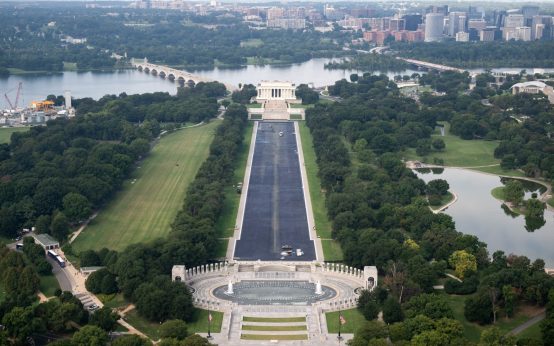 Judge Dismisses Case Against Former Olympian Over Lincoln Memorial Incident
 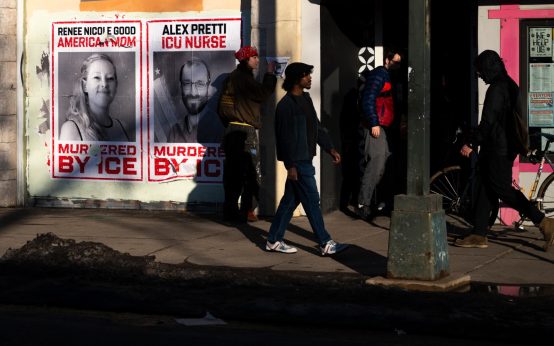 Minnesota Family Files Civil Rights Lawsuit Over ICE Agent Shooting
  California Bans Child Marriage, Protecting Minors
 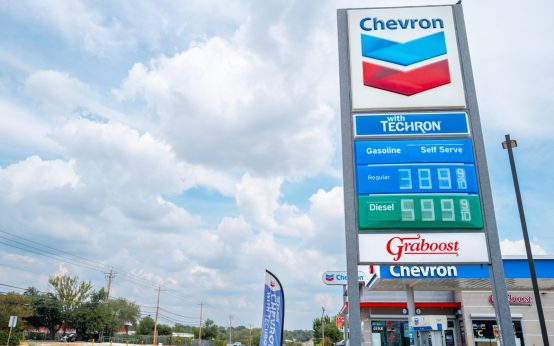 U.S. States Extend Gas Tax Waivers Amid Rising Fuel Costs Due to Iran Conflict
  Historical Events in Chicago on October 1st
  Patrick McEnroe Advocates for Collegiate Athletic Reform