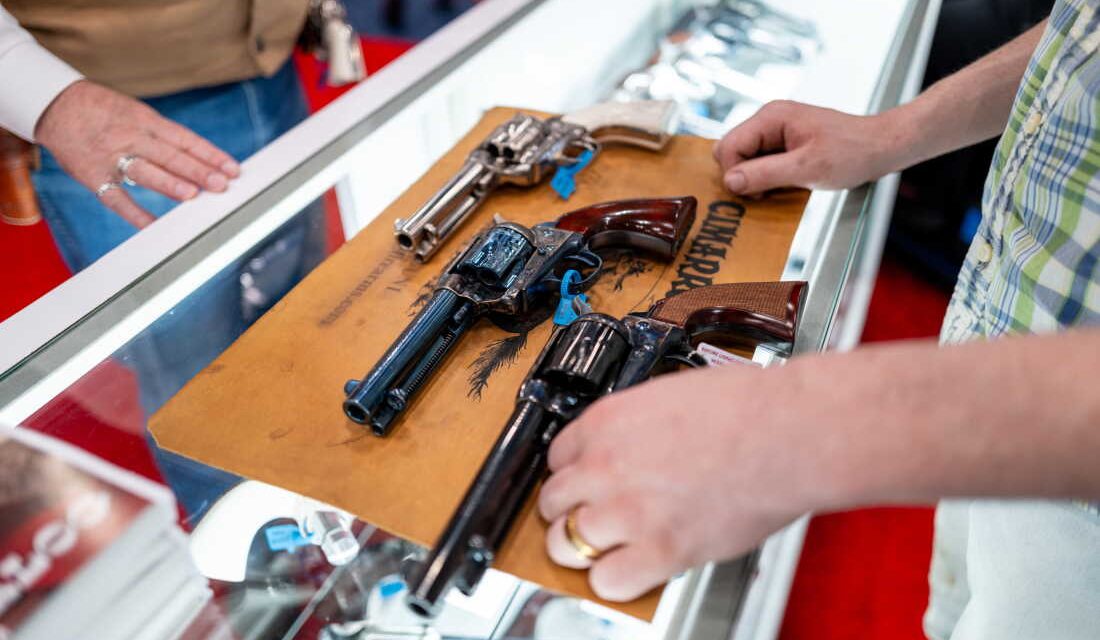
The Justice Department is establishing a path to reinstate gun rights for nonviolent offenders through its Office of the Pardon Attorney. This initiative revives a process discontinued in the 1990s. Adam Kraut, executive director of the Second Amendment Foundation, expresses contentment as federal firearms relief for nonviolent offenders becomes available for the first time since 1992.
In the past, a report from a gun safety group criticized a similar ATF program. The report highlighted agency strain and cases where individuals reoffended after rights restoration. As a result, the program ended, leaving millions unable to regain firearm ownership rights. While some celebrate this new effort, others have concerns about its implementation.
Eligibility and Application Process
The program excludes violent offenders, those in prison, or awaiting sentencing. Applicants must disclose crime details, provide character references, and submit fingerprints. A $30 fee is required, and approximately 330,000 people are expected to apply annually. The DOJ plans to examine applications through staff and attorneys.
The Federal Register publication outlines that the DOJ seeks a flexible decision-making process for this program. Applications will start with a pre-selected group, extending to 5,000 additional candidates from Nov. 4.
State laws present a potential complication, as they may restrict gun rights independently of federal permissions. The DOJ recommends consulting state authorities before pursuing firearm ownership.
Safety and Concerns
In 1992, the Violence Policy Center’s report contributed to the previous program’s termination. It noted concerning reoffenses among those whose rights were restored. Following this report, Congress hindered ATF’s funding for individual firearms rights restorations. Critics like Kristen Rand, from the Violence Policy Center, argue the new program is risky and unfounded.
However, experts in clemency believe the program offers a second chance to individuals who have served their time. Rachel Barkow, a law professor at New York University, states the recidivism rates for pardoned individuals are typically low. The application review process aims to ensure that restored rights do not lead to further offenses.
Structural Challenges
The 1992 report also exposed the toll on ATF resources. Tom Chittum, a former ATF member, noted the agency was overwhelmed with investigations. Today, the DOJ estimates 25 million potential applicants. Former pardon attorneys express concerns about handling this volume, given the office’s current staffing challenges.
The pardon office is already stretched, adjusting to an increase in clemency requests alongside staff departures, such as Ed Martin’s exit to form a gun rights group. Liz Oyer, former U.S. pardon attorney, doubts the office can manage the anticipated workload, warning of resource depletion.
The DOJ acknowledges the burden and seeks $16.5 million from Congress to increase staffing and resources. This request exceeds the fiscal year 2025 budget by nearly $5 million, with $4.8 million dedicated specifically to supporting the firearms restoration effort. The department plans to hire 50 additional staff, including 23 attorneys, to address the looming demands.
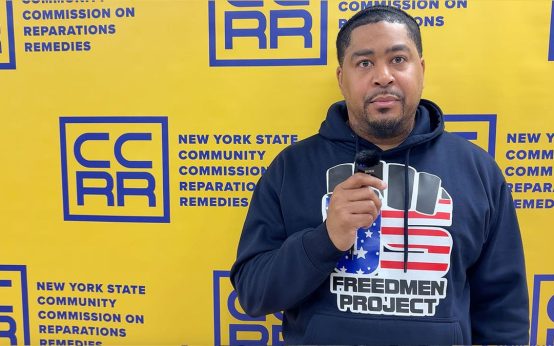 Push for Reparations Faces Challenges and Calls for Strict Eligibility
 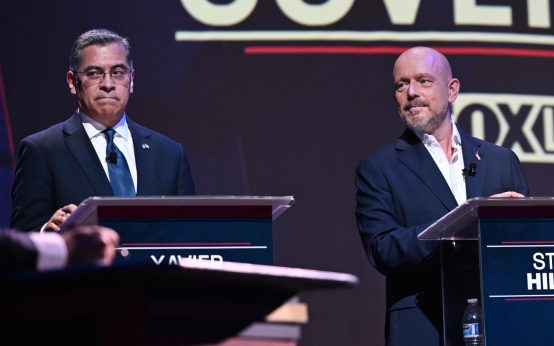 Xavier Becerra and Steve Hilton Debate on California’s Future
 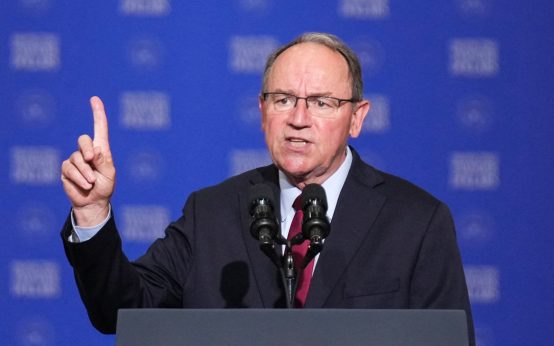 Wisconsin Gubernatorial Race: Tiffany vs. Crowley in a Tight Contest
  California Gubernatorial Debate: Becerra vs Hilton
  Gavin Newsom Seeks Inspiration from Bill Clinton for Potential Presidential Run
  California Superintendent Candidate Stands Firm Against Teachers Union Criticism