Introduction
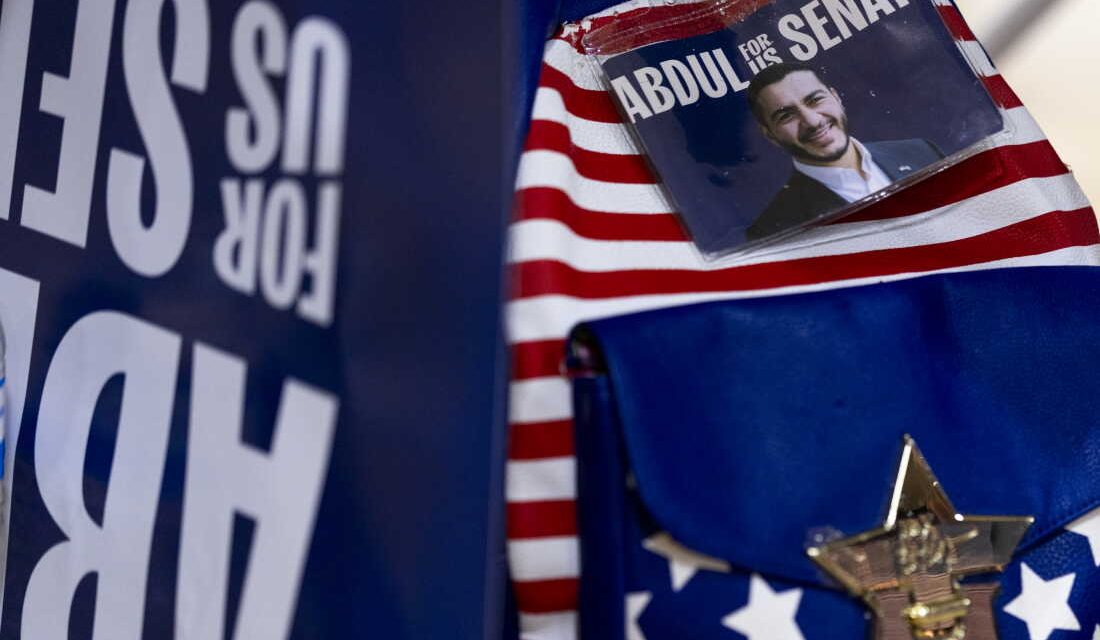
The political landscape in the United States is witnessing growing anti-Muslim sentiment. Notably, after Abdul El-Sayed secured the Democratic Senate nomination in Michigan, the rhetoric intensified. Upon winning, El-Sayed faced immediate backlash from Sen. Tommy Tuberville, who labeled him a “radical Islamist.” This incident reflects a larger pattern among political figures, particularly Republicans, who have increasingly utilized anti-Muslim rhetoric.
Escalating Rhetoric
The past two years have seen heightened anti-Muslim and anti-Arab messaging from various quarters, further fueled by political victories of Muslim leaders. Ads across campaign trails emphasize themes like “Radical Islam” and “Sharia law.” These narratives paint Muslim Americans as a threat and propagate unfounded conspiracy theories about “Islamic movements”.
The Center for the Study of Organized Hate reveals that anti-Muslim sentiment surged post El-Sayed’s primary win.
Data from the Center shows 46 GOP officials posted over 1,100 anti-Muslim messages online between February 2025 and March 2026.
Political Implications
Social media amplifies fear-mongering narratives, translating them into political and financial gains. This rhetoric labels Muslims as a “civilizational threat,” transcending previous stereotypes of security concerns. Figures like Rep. Nancy Mace propagate harmful views, asserting that Muslims holding office pose a threat. This sentiment finds echo in statements from influential Republicans, including former President Trump.
Case Studies: Texas and Beyond
Texas represents a battleground for anti-Muslim policies, with Governor Greg Abbott and Attorney General Ken Paxton promoting a narrative against Muslim communities. They target projects like the East Plano Islamic Center under the guise of combating “Sharia law.” Such actions reflect a wider legislative push, including resolutions like “Don’t Sharia My Texas.” This animus signals to other politicians that targeting Muslims is politically advantageous.
Nationally, the formation of the “Sharia-Free America” caucus in Congress further institutionalizes this sentiment, drawing support from various lawmakers.
The Impact and Historical Context
The rhetoric places Muslims under threat, reminiscent of post-9/11 America. In contrast, President George W. Bush’s leadership after 9/11 sought to protect Muslim communities from scapegoating. Today, the political environment exacerbates fears rather than calming them.
Despite potential electoral gains for Republicans, experts warn this divisive rhetoric may alienate voters, including Muslim and Arab Americans, who were previously receptive to GOP messages.
Conclusion
The interplay of fear and political strategy in anti-Muslim messaging remains effective for certain voter bases. Republican strategist Vinny Minchillo highlights this use of fear as a mobilizing tool, potentially distracting from core issues like the economy. As political discourse evolves, the implications for Muslim Americans grow progressively severe.
 Defense Secretary Emerges as Key Player in the Trump Administration
  Hegseth’s Vision for the Military: Balancing Tradition and Innovation
  Significant Funding Boosts Ken Paxton’s Texas Senate Campaign Amid Tight Race
  U.S. States Extend Gas Tax Waivers Amid Rising Fuel Costs Due to Iran Conflict
  USCIS Raises Immigration Fees
  The Surveillance Threat to U.S. Federal Agents