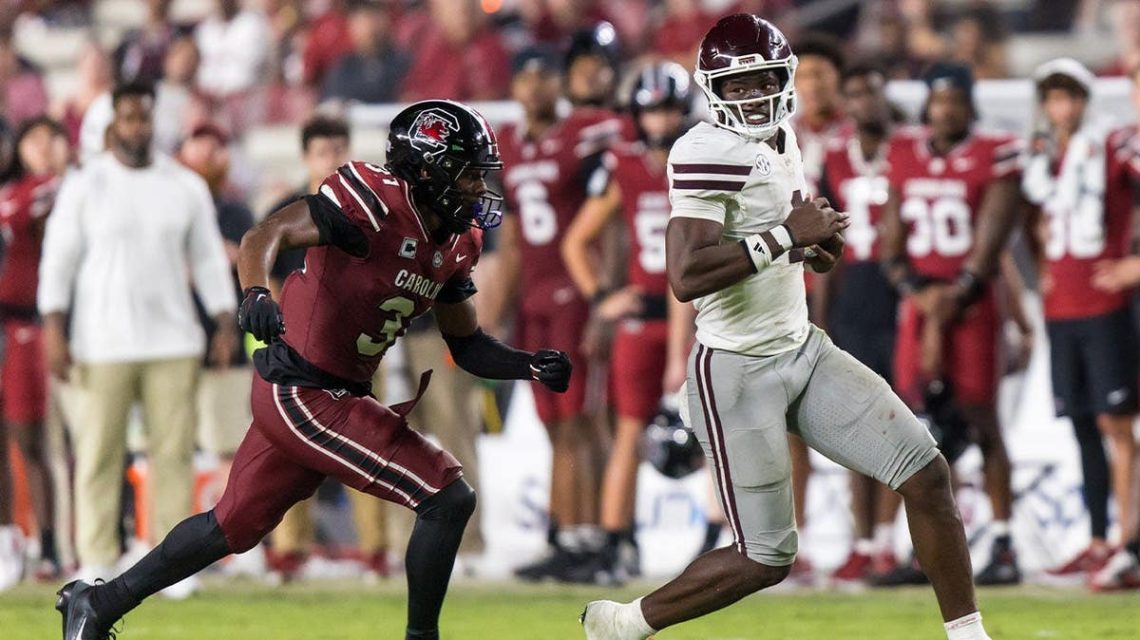
The issue of inflation is not restricted to consumer goods. In college football, the market for quarterbacks is witnessing a dramatic surge. This week marks another significant development in the ongoing Name, Image, and Likeness (NIL) saga.
Kamario Taylor of Mississippi State has secured a new deal reportedly worth $7.5 million. This number could rise above $9 million with incentives.
Mississippi State quarterback Kamario Taylor is finalizing a substantial NIL deal, illustrating significant changes in college sports economics.
Mississippi State’s decision seems strategic. Taylor is seen as a promising talent. With the growing competitiveness in the quarterback market, locking down such a player appears wise. Scouts predict Taylor could become a top-tier draft pick.
In professional football, there’s a trend of awarding high-paid contracts based on potential rather than performance. This trend is likely to extend to college sports. An example is a South Florida NFL franchise, still paying for a quarterback who is no longer with them.
Instances of high NIL deals in college sports are becoming more common. Texas Tech once spent $5-6 million on Brendan Sorsby due to his promising season at Cincinnati. Unfortunately, it didn’t yield results, largely due to off-field issues.
Another example is Tennessee’s $8 million contract with Nico Iamaleava. Despite the high school investment, Iamaleava soon left for UCLA. As the NIL landscape evolves, these figures continue to grow.
Players such as Alabama’s Keelon Russell represent future opportunities for similar lucrative deals. If Alabama secures an SEC Championship, Russell could negotiate even higher compensation.
Today’s college rosters are progressively expensive. Ryan Day once asked for $20 million to support his team’s success. However, this amount is now insufficient for competitive Power 4 programs.
The dynamics within college football are rapidly changing, with income generation and player empowerment at the forefront. While suggestions for regulations like salary caps and collective bargaining agreements exist, college sports currently operate in a relatively unchecked environment. The sustainability of this model is a topic of much debate.
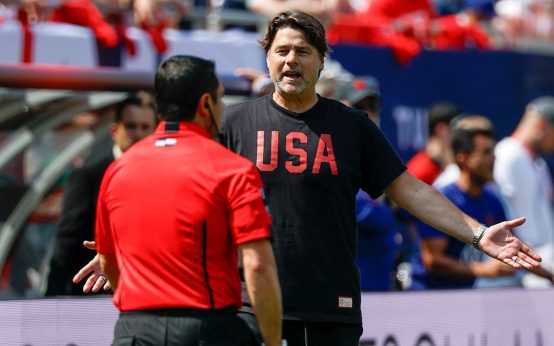 Challenges Facing US Soccer: Insights from Mauricio Pochettino
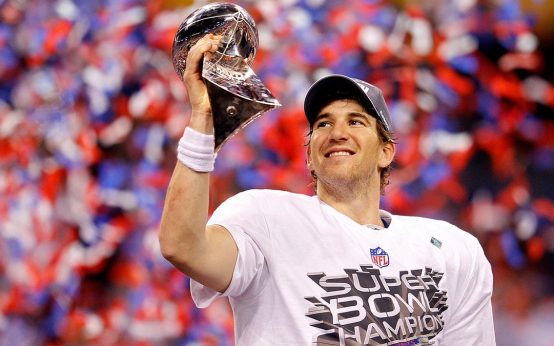 Giants’ Historic 2008 Upset Gets Spotlight in New Netflix Documentary
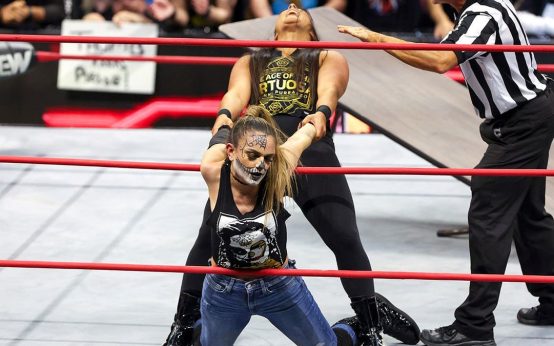 AEW’s Blood and Guts: A Glimpse into the Brutal Spectacle
 Nationals Retain Jacob Young with Four-Year Contract
 TNA Destination X: A Night of High Stakes and Intense Matches
 Kenneth Walker’s Injury and Impact on Kansas City Chiefs