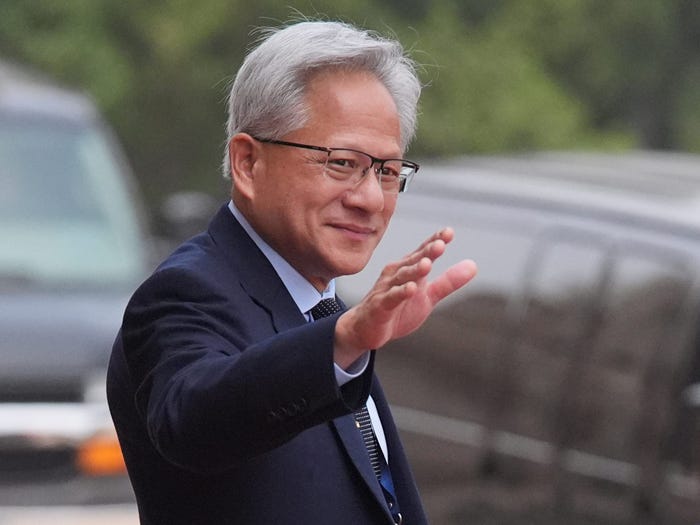
Jensen Huang, renowned for fostering a flat structure at Nvidia, has left an indelible mark with his leadership approach. For years, this strategy kept Nvidia agile and quick in decision-making, pivotal in its climb as a global chip industry leader. However, his sudden exit amidst controversy is now testing this framework.
Huang co-founded Nvidia in the early 1990s and led it to prominence with a breadth of direct reports. This approach promoted rapid information flow and empowered employees. Yet, this flat structure also presents challenges, particularly in preparing successors with the necessary experience for top leadership roles.
C-suite analysts note that when too much relies on a single executive, companies like Nvidia face ‘key-person risk.’ With Huang’s outsize influence, succession became a pressing concern. Without a publicized succession plan, Nvidia appointed Colette Kress as interim CEO while seeking a permanent replacement, both internally and externally.
David Astorino, from RHR International, stresses that strong founder influence can impede succession planning. Firms often slow to plan for leader transitions risk being caught unprepared, a theme evident in a 2025 Nasdaq survey where many boards reportedly lack robust succession plans.
Huang’s departure followed a board review amid personal scandals. Experts suggest founder-led organizations enhance governance to mitigate risks tied to key-person dependency. Bradley Akubuiro advises bringing in independent directors and keeping succession on the agenda to ensure continuity.
Creating a viable succession plan demands more than listing potential successors. Prospective leaders need substantial operational exposure and visibility with stakeholders to generate confidence. Meeting these needs can prevent disruptive leadership vacuums.
Despite preparation, companies often keep succession planning low-profile to avoid dynamics shifting before an official transition. Naming successors ahead could prematurely empower them and destabilize current leadership, observes Umesh Ramakrishnan at Kingsley Gate.
While Nvidia has long been a leader in retaining talent, the leadership shift, especially during a stock downturn, could make competitors keen to lure valuable employees. Lior Prosor from Deep33 points out the potential for increased staff mobility as they reassess their stakes and future benefits.
Ultimately, Nvidia’s situation highlights the importance for companies, particularly those with flat structures, to strategically prepare for leadership transitions. As Gartner’s Alexander Kirss notes, no leader, no matter how influential, should be irreplaceable.
 The Daily Routine of Klook’s CEO Focused on Fitness and Efficiency
 The Jensen Huang Controversy: Silicon Valley’s Divided Opinion
 California Lawsuit Against OpenAI: Key Details and Implications
 Updates on Key International and Domestic Events
 E.l.f. Cosmetics Breaks Makeup World Record at TwitchCon
 Understanding Credit Freeze, Fraud Alert, and Identity Monitoring