The history of U.S. senators who have also been physicians is long and noteworthy. Several senators exemplify this tradition, such as Sen. John Barrasso, an orthopedic surgeon, Sen. Bill Cassidy, a gastroenterologist, Sen. Rand Paul, an ophthalmologist, and Sen. Roger Marshall, an OB-GYN. Among them, heart surgeon Sen. Bill Frist stands out, having performed over 150 heart and lung transplants and establishing the Vanderbilt Multi-Organ Transplant Center before his time in the Senate.
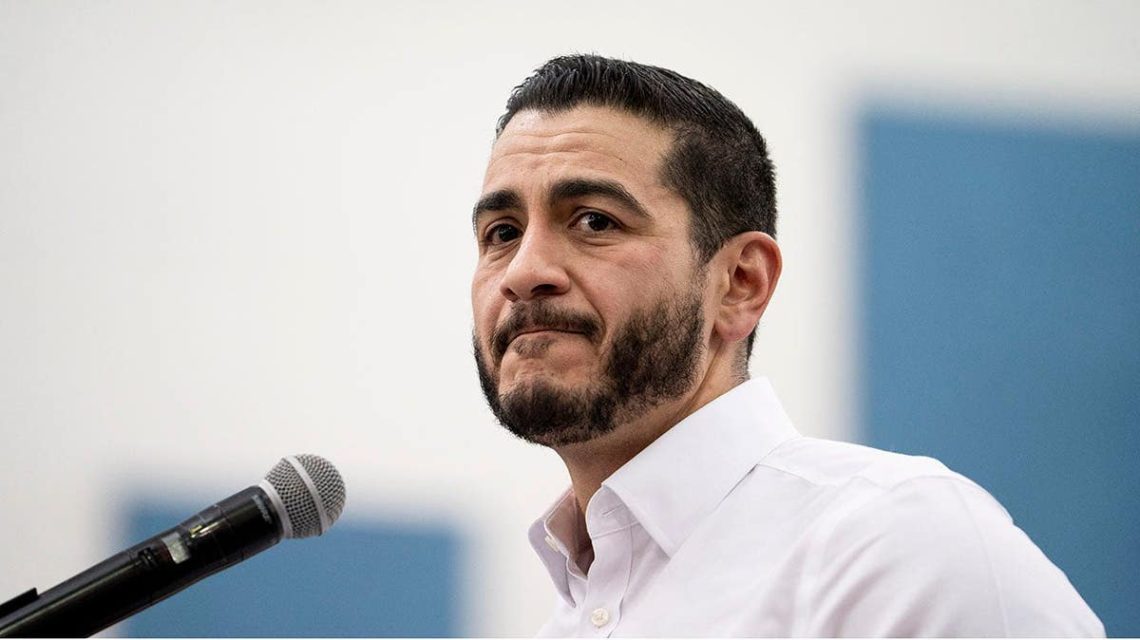
A successful physician often possesses qualities like compassion, balanced judgment, calmness under pressure, and a profound understanding of human issues. These traits are also essential for serving in the U.S. Senate. Hence, current discussions about Dr. Abdul El-Sayed’s claim to be a physician in the Michigan Democratic Senate primary are crucial beyond mere political debate.
The issue arose when Mehdi Hasan, a left-wing host, challenged El-Sayed during an interview on Zeteo for calling himself a physician without holding a valid state medical license. Hasan’s questioning resonates with the view that being a physician involves actively treating patients or engaging in research for medical advancements.
El-Sayed holds a medical degree from Columbia University College of Physicians and Surgeons and a doctorate in public health from Oxford University, qualifying him as a doctor and epidemiologist. However, he has not practiced medicine, differentiating him from the traditional role of a physician. State licensing boards, such as New York’s, reserve the title ‘physician’ for those licensed to practice medicine or surgery.
Despite his medical and public health credentials, including roles as executive director of the Detroit Health Department and academic positions at Michigan and Harvard T.H. Chan School of Public Health, El-Sayed’s self-representation as a physician has come under scrutiny.
The American Medical Association Journal of Ethics notes that the term ‘physician’ originated from the study of nature, within a historical context of understanding illness as part of the natural world.
El-Sayed’s endorsement of Medicare for All and his authorship of ‘Medicare for All: A Citizen’s Guide’ show his commitment to healthcare reform. However, his lack of experience dealing with insurance companies contrasts with practicing physicians’ familiarity with navigating Medicare’s challenges.
The tradition of physicians in the U.S. Senate sets a high standard, emphasizing the importance of accurately representing one’s professional status. Declaring oneself a physician without practicing undermines this legacy.
About the Author: Marc Siegel, M.D. is a professor of medicine, the medical director of Doctor Radio at NYU Langone Medical Center, and Fox News Channel’s senior medical analyst. He has authored books on healing and the impact of fear on politics and science. Follow him on social media for more insights.
 Concerns Over Changes to Voter-Registration Form for Americans Abroad
  Trump’s 2024 Campaign Targets Young Men Through Cryptocurrency
  Trump’s White House Visitor Center Proposal Gains Bipartisan Support
  State Department Simplifies Passport Process with Online Applications
 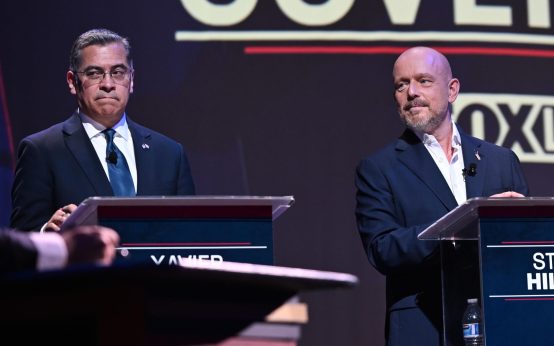 Becerra and Hilton Clash in California Gubernatorial Debate
  California Voters to Decide on $7.5 Billion State Research Fund