
Psychologists define “projection” as a process where individuals subconsciously assign their own flaws, guilt, or unwanted characteristics to others. This concept is reflected in a Russian proverb that suggests “the thief’s hat is on fire,” meaning a guilty conscience invariably exposes itself.
Recently, Russian President Vladimir Putin delivered a speech at the St. Petersburg International Economic Forum. His words and demeanor often reflect his inner thoughts and priorities. Observers and analysts closely study these moments to gain insights into his psyche.
Putin’s leadership style consistently emphasizes strength and control. Critics argue that his external projection of power might be compensating for internal vulnerabilities or concerns. Such behaviors align with psychological theories on projection, suggesting that personal fears or weaknesses are manifested outwardly as criticism or aggression toward others.
Understanding these dynamics is crucial for those who analyze international relations and global politics. They offer a lens through which to interpret actions and strategies employed by global leaders. Putin’s speeches and public appearances are not just political theatre; they provide valuable cues about his administration’s strategies and potential future moves.
 Trump’s 2024 Reelection and Evolving Voter Dynamics
  Defense Secretary Emerges as Key Player in the Trump Administration
  Hegseth’s Vision for the Military: Balancing Tradition and Innovation
 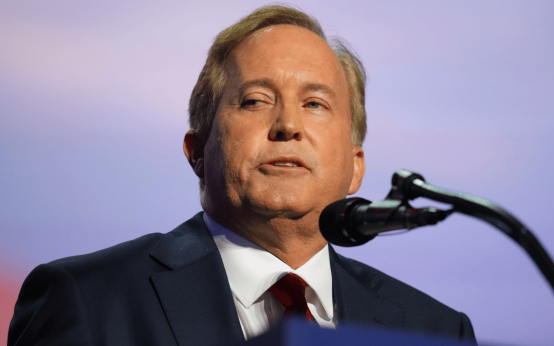 Significant Funding Boosts Ken Paxton’s Texas Senate Campaign Amid Tight Race
  U.S. States Extend Gas Tax Waivers Amid Rising Fuel Costs Due to Iran Conflict
  USCIS Raises Immigration Fees