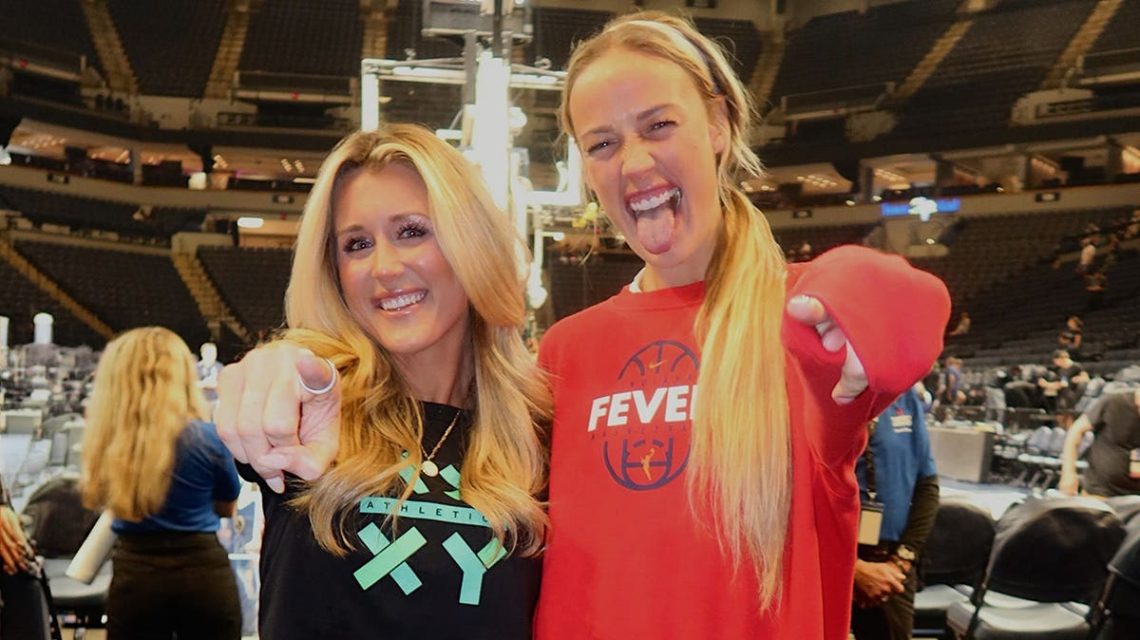
In the latest episode of The Riley Gaines Show, Riley Gaines delves into the political tensions stemming from the 2026 election results. While Democrats celebrated their victories, ballot initiatives in states such as Colorado, Washington, Arizona, and Nebraska highlighted a contrasting perspective on the future of women’s sports.
Political Divide
The election revealed a gap between voter economic concerns and their stances on cultural issues. Gaines argues that both political parties risk making a mistake if they ignore this divide.
Unexpected Outcomes on Gender Issues
Despite a Democratic win, voters in several states delivered a clear message on one contentious cultural matter: protecting female athletes based on biological sex. Arizona, Colorado, Nebraska, and Washington passed measures supporting this stance, indicating a challenge to progressive gender policies, even in traditionally blue states like Colorado and Washington.
For years, the mainstream media and Democratic allies have portrayed the protection of women’s sports as extreme. However, voters seem to disagree, as shown in the 2024 Republican victories.
Financial Disparities Don’t Dictate Outcomes
In Colorado, opponents of initiatives to protect women’s sports raised substantial funds, outspending proponents by a large margin. Despite the financial disparity, voters supported the protections, indicating this is an issue crossing party lines.
Sophie Cunningham’s Influence
WNBA player Sophie Cunningham has shown that supporting women’s sports does not equal career risk. Instead, her popularity surged after she expressed support, proving that opinions outside progressive views can thrive.
Cunningham’s rise suggests the threat to reputations for opposing progressive views on this issue may be overblown.
Economic Concerns
Voters expressed frustrations about affordability, contributing to Democrat votes in the election. The issues range from rising grocery bills to homeownership challenges.
Young generations face economic hurdles, affecting their political choices. The appeal of socialism, promising freely provided services, can mask underlying economic burdens such as higher taxes and debt.
Balancing Cultural and Economic Issues
Republicans need to address economic issues seriously without assuming cultural wins lead to election victories. Voters balancing cultural and financial concerns was evident in the midterms, reflecting potential lessons for both parties.
Conclusion
Despite Democrat victories, Republican policymakers must learn from these elections, acknowledging the complex interplay between cultural and economic issues. Voters remain resolved in their support of distinct athletic categories for women, regardless of the political landscape.
 Mayor Mamdani’s Policing Reform Plans
 Gen Z Voter Shifts and Their Impact on the 2026 Midterm Elections
 Disappearance of US Senate Candidate Raises Questions
 DOJ Rule Change Reduces Appeal Time for Immigrants Facing Deportation
 Hakeem Jeffries’ Bid for House Speaker Faces Progressive Hurdles
 Ohio Judge Dismisses Defamation Lawsuit by Rep. Max Miller