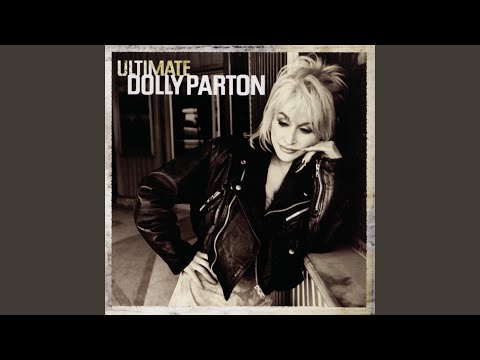
Few musicians have captured the collective admiration of America like Dolly Parton. She stands as a cultural icon whose songs resonate with tales of resilience and dignity amid poverty and labor. Her ability to navigate complex emotions of devotion and loss has created a musical catalog unparalleled in its emotional depth and reach.
Dolly Parton’s career extends beyond music into various ventures such as Dollywood, children’s literacy initiatives, and her sparkle-filled cowgirl fashion, none of which would have been possible without her rich and varied musical contributions. These elements together portray an artist deeply attuned to human feeling.
Her songwriting, vocal prowess, instrument skills, and collaborations have made her one of the finest singer-songwriters in American history. Parton’s catalog defies reduction to a single record. Each song invites the listener to connect, regardless of their background.
Coat of Many Colors (1971)
This song is fundamental to Parton’s narrative. Released in 1971, it recounts her mother’s resourcefulness in creating a coat from fabric scraps. The song’s economy in storytelling embodies Parton’s persona: finding beauty in simplicity and craftsmanship.
Touch Your Woman (1972)
In this track, released in 1972, Parton shares profound relationship advice. The lyrics emphasize understanding and reconciliation in a partnership, showcasing her ability to convey complex emotional truths.
Jolene (1974)
Despite its widespread presence in popular culture, Jolene remains a haunting tale of desperation and imminent loss. Covered by artists across genres, including Beyoncé, the song’s harmonies and sense of panic are timeless.
I Will Always Love You (1974)
While Whitney Houston popularized this ballad, Dolly’s version carries the original emotional weight. The song is a poignant reflection on her professional split from collaborator Porter Wagoner.
The Bargain Store (1975)
In 1975, Parton explored new emotional depths. This song deals with used memories and broken dreams, offering a perfect blend of melancholy and resilience.
Two Doors Down (1977)
This song marked one of Parton’s entries into pure pop. With funk elements, soul horns, and synths, the track demonstrates her genre-spanning capability.
9 to 5 (1980)
Parton’s breakthrough into pop stardom came with 9 to 5, a song connecting her music with cinematic roles. While widely relatable, its lyrics critique capitalism, maintaining her edge despite melodic hooks.
Old Flames (Can’t Hold A Candle To You) (1980)
In 1980, Dolly’s cover of Pebe Sebert’s ballad became a chart-topping hit. Its revival by Sebert’s daughter, Kesha, highlights the enduring emotional impact of its sentiments.
To Know Him Is To Love Him (1987)
Parton’s collaborative spirit is evident in her work with Linda Ronstadt and Emmylou Harris in the supergroup Trio. This single exemplifies her talent in expressing nascent, unrequited passion.
Smoky Mountain Memories (Live – 1994)
Parton maintained an apolitical stance that resonated with diverse audiences. This live rendition of a poignant earlier work articulates family struggles, lending dignity to those experiences while critiquing societal pressures.
 Operation Mincemeat: A Theatrical Review
  Hollywood Executive Praises Trump’s Efforts to Revitalize the Entertainment Industry
  Zoe Kazan’s Journey with ‘East of Eden’
  Pete Davidson Criticizes NYC Mayor Zohran Mamdani Over BQE Construction
  Chris Hansen Criticizes Hollywood’s Portrayal in ‘Primetime’
  Monet Mazur’s Home Targeted in Hollywood Hills Burglary Attempt