
The story of Moussa Diawara, originally from Mali, highlights the complexities of third-country deportations. Diawara lived in the U.S. for nearly half his life, establishing a family and livelihood. Yet, U.S. Immigration and Customs Enforcement (ICE) deported him to Ghana, where he had no connections.
The Case of Moussa Diawara
Diawara moved to the U.S. on a tourist visa at age 32. He overstayed his visa and later sought refugee protection, fearing persecution if returned to Mali. He had converted to Christianity, facing potential danger in a country with an Islamist insurgency. In 2012, a U.S. judge ruled Diawara could not be deported to Mali, granting him a work permit.
In July, ICE detained Diawara during a night shift as an Uber driver. He was deported to Ghana on July 31 without contact with his lawyer. Held in a hotel by armed guards, he couldn’t communicate with anyone. By August, he found himself homeless and unsafe in Mali after being sent there from Ghana without funds or identification.
Diawara highlighted that the U.S. supplied a medical document indicating a Mali destination, despite being deported to Ghana. Both bag tags from the Department of Homeland Security (DHS) also noted Mali as the final destination. DHS representatives called these anomalies “clerical errors.”
Criticism of Third-Country Deportations
Diawara’s case is not unique. Under the Trump administration, ICE executed mass deportations to third countries, impacting over 25,000 individuals. These countries receive U.S. aid in return. However, many deportees are subsequently sent to countries deemed dangerous by U.S. judges.
Immigration lawyer Meredyth Yoon questions U.S. officials’ awareness of Ghana’s actions, suggesting these deportations violate international law. Democratic senators, led by Sen. Jeanne Shaheen, criticized the policy’s costs and diplomatic implications.
Homeland Security’s Defense and Legal Challenges
DHS argues that deportations are crucial for public safety, claiming prior administrations neglected handling criminals. Despite this, statistics from a 60 Minutes review show 62% of deportees have no criminal record. Legal appeals continue, with federal rulings against the policy, though the Supreme Court’s decision in December will be pivotal.
Diawara’s Battle to Reunite with Family
Diawara’s legal representative, Reuben S. Kerben, is fighting to bring him back to the U.S., where his family resides. Diawara’s wife and children, including his 16-year-old son Corey and 12-year-old daughter Chloe, face uncertainty and emotional strain in his absence. Corey expressed how much lighter home feels without his father.
Barbara, Diawara’s wife and a registered nurse, maintains strength for their children amidst the separation. They all hope for Diawara’s return and resolution in the ongoing legal processes.
 Virginia Residents Sue Over Alleged Immigration Violations
 United Airlines Faces System Outage Amid Banking Disruptions
 MTA Worker Attacked During Subway Dispute
 Home Invasion in California: Elderly Woman’s Struggle with Squatters
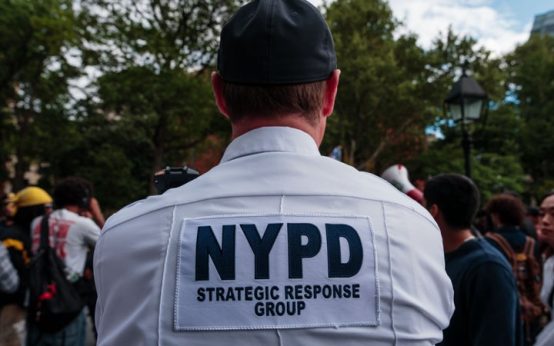 NYC Mayor Disbands Controversial Police Unit
 Travel Chaos and Innovation Amid FAA Ground Stop