A temporary closure of a manufacturing plant in Quebec, Canada, is set to impact over 400 workers. The American paperboard manufacturer, RYAM, announced the shutdown of its facility in Témiscaming, citing U.S. tariffs as the reason. Operations will cease on September 15, directly affecting 425 employees.
In a statement to the North Bay Nugget, a company spokesperson mentioned, “This decision is the result of a business environment that has become unsustainable, making continued operations simply no longer economically viable.” Despite efforts to adapt, the repercussions of tariffs prevent sustainable operations at the site.
Mayor Alain Gauthier of Témiscaming, who once worked for RYAM, expressed to CTV News that the tariffs are akin to a “nuclear bomb” for U.S.-dependent sectors, describing the situation as an “economic war.”
Escalating Trade Tensions
Relations between Canada and the United States have worsened dramatically following the collapse of trade negotiations. The Trump administration implemented tariffs up to 50% on $27.6 billion worth of Canadian products on August 22. These tariffs affect various sectors, including agriculture, manufactured goods, and consumer items, adding to existing duties on items like steel, aluminum, and automobiles.
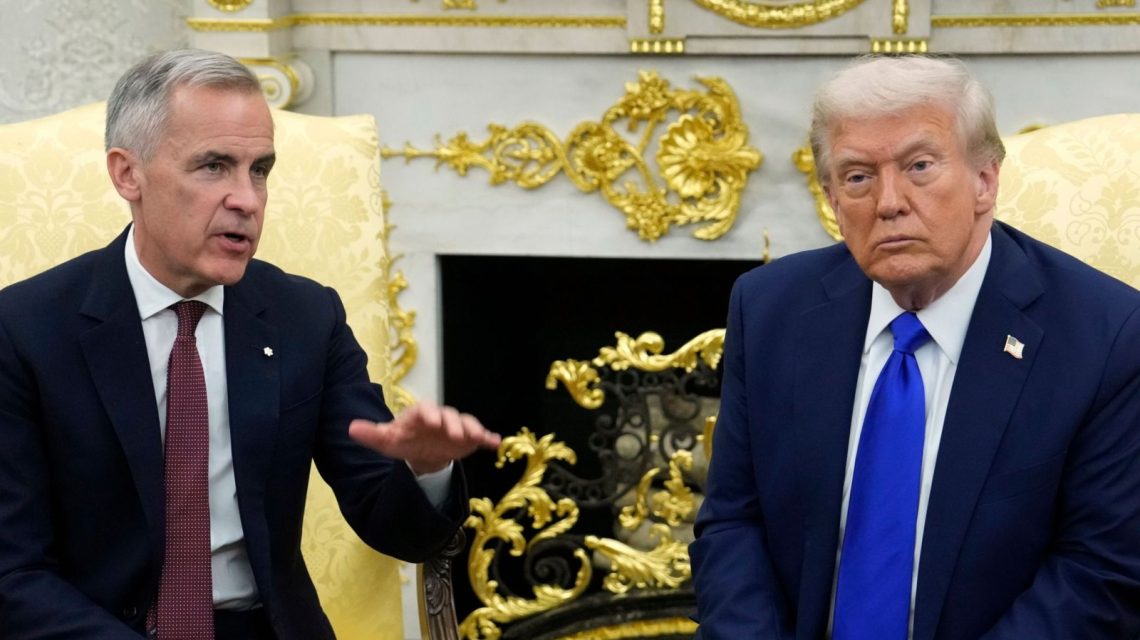
In response, Canadian Prime Minister Mark Carney halted negotiations, stating Washington’s demands are against Canada’s interests. Canada announced a countermeasure, pledging to mirror the U.S. tariffs. The trade dispute continues to strain relations shortly after President Trump resumed office at the start of January 2025.
The U.S. asserts the tariffs counter unfair Canadian policies, claiming Canada has restricted American alcohol imports, provided the European Union with preferential dairy access, and limited some U.S. vehicle exports.
U.S. Trade Representative Jamieson Greer pointed out, “While the administration continues to secure fair and reciprocal trade deals with our trading partners, Canada, unlike other partners and allies, continues to retaliate against the United States for its efforts to rebalance trade and protect U.S. industry in national-security sensitive sectors.”
Failed Negotiations and Retaliatory Measures
The White House accused Canada of causing the breakdown in negotiations, claiming Ottawa demanded “unreasonable demands, walk-backs, and flat-out rejection.” Trump proposed offering Canada preferential access to the U.S. market, with potential reductions in tariffs on steel, aluminum, autos, and lumber.
On August 22, Carney said Canada was willing to halt its retaliatory tariffs on steel, aluminum, and automobiles if the U.S. significantly reduced its duties. However, Washington proposed terms deemed “uneconomic, unfair,” which would undermine an agreement’s benefits for Canada.
As a response, Canada declared the intention to imitate the U.S. measures starting September 8, imposing tariffs of 15%, 25%, and 50% on American imports valued at $27.6 billion. Items affected include steel, dairy products, appliances, agricultural equipment, pulp and paper, and electronics, according to Canada’s Department of Finance.
Canada also announced a $7.5 billion support package for workers and industries impacted by the tariffs. Carney remarked about the retaliatory actions, “We take this step reluctantly. Reluctantly, because we recognize that it will raise costs and reduce choice for Canadians. Reluctantly, because we recognize that some U.S. companies and states are innocent bystanders in a dispute they did not want.”
A Wider Political Divide
The trade disagreement coincides with worsening political relations. Before his presidency, Trump suggested Canada should become the 51st U.S. state, a proposition Canada rejected. Recently, an executive order to rename Lake Ontario to Lake America further fueled tensions.
Carney commented on August 21, “We have recognized from the beginning that America has changed and that we will not return to our old relationship.” The situation underscores a significant shift in relations between the countries.