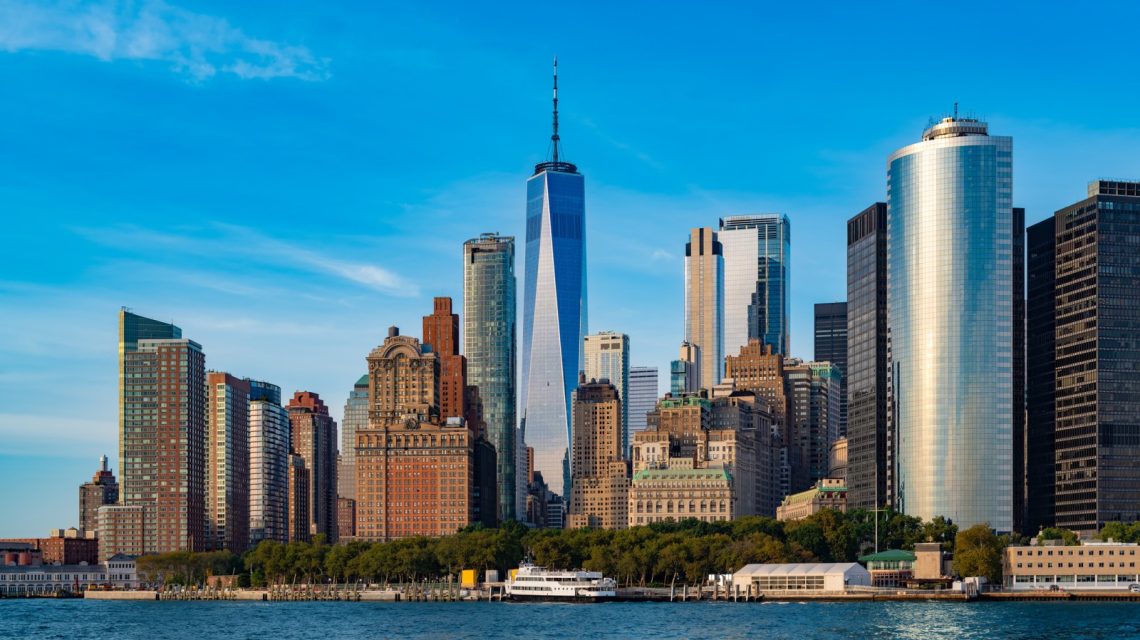
Experiencing New York City for the first time often feels cinematic. For many, its streets and landmarks are familiar due to countless films and TV shows. Yet for locals, the city is more than a setting; it’s home. Having grown up across three boroughs, including Lower Manhattan, I attended Stuyvesant High School before the tragic events of September 11, 2001.
The memory of 9/11 is vivid. I was at a philosophy lecture at Binghamton University when classes were abruptly dismissed. Terrified, I tried contacting family in New York City. Stuyvesant, located near Ground Zero, was repurposed as an emergency medical site after 9/11. Visiting it years later felt surreal, knowing the familiar hallways served a crucial role post-attacks.
Lower Manhattan has undergone significant changes. Before 9/11, it was lively by day with office workers but empty by night. Many companies left due to environmental concerns, leaving the area a ghost town for years, according to Dana Tamuccio, a historian and tour operator who lost her brother in the attacks.
Hardships led to residential growth, with developments like 55 Broad Street and new luxury towers like The Greenwich influencing positive changes. Teresa Stephenson from Platinum Forbes Global Properties notes this residential shift has revived Lower Manhattan.
Manhattan’s Community District 1 has surged as one of the city’s fastest-growing areas, with a population increase of 28.6% since 2010. Lower Manhattan, now home to around 70,000 people, ranked as a top neighborhood to watch in 2026, driven by significant interest from home buyers and renters.
The Financial District now thrives with activity. As Gregory Davis of Fortress Investment Group states, the influx of residents has spurred the growth of local businesses, creating a vibrant community. New venues and eateries have made the area less finance-focused and more livable.
Artist Tom Christopher notes that developments have made Lower Manhattan a genuine neighborhood. Attractions now go beyond the Westfield shopping center. New dining options, like Blank Street coffee and Koba Korean barbecue, cater to diverse tastes.
Visitor numbers have surged, with 8.1 million tourists in 2025, reflecting a strong rebound from the pandemic period. The area has seen an increase in hotel openings, enhancing its appeal to visitors. The W New York Downtown Hotel & Residences and the new Four Seasons Hotel are notable additions.
According to Tamuccio and Christopher, Lower Manhattan’s transformation symbolizes resilience and cultural renewal. Although the past holds deep memories, the area has become a vibrant, enduring community.
 Push for Reparations Faces Challenges and Calls for Strict Eligibility
 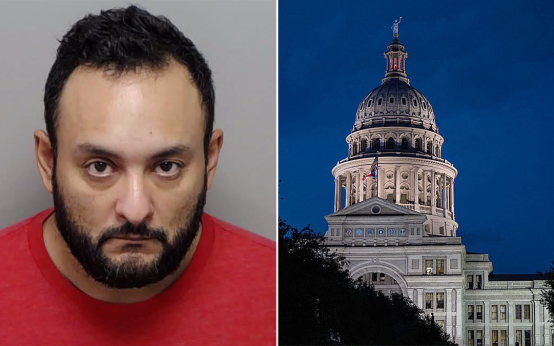 Texas Man Arrested for Threatening State Capitol Attack
 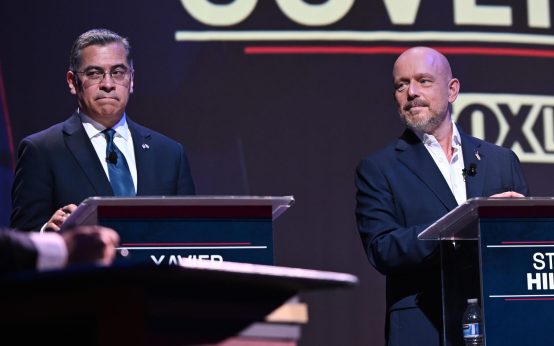 The Key Debate Between Xavier Becerra and Steve Hilton: What You Need to Know
  Physicians Urge Senate to Reject FDA Nominee
  Trump’s Executive Order to Combat Mosquitoes and Ticks in D.C.
 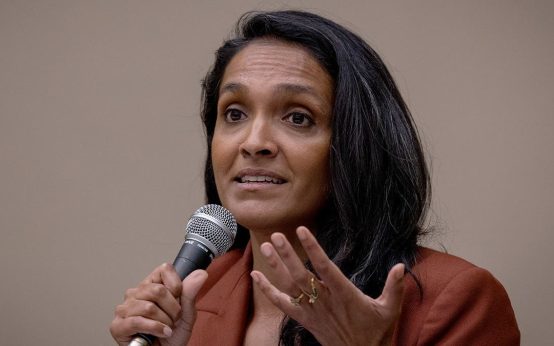 Debate Over Proposed English-Only Rule for Head Start Programs