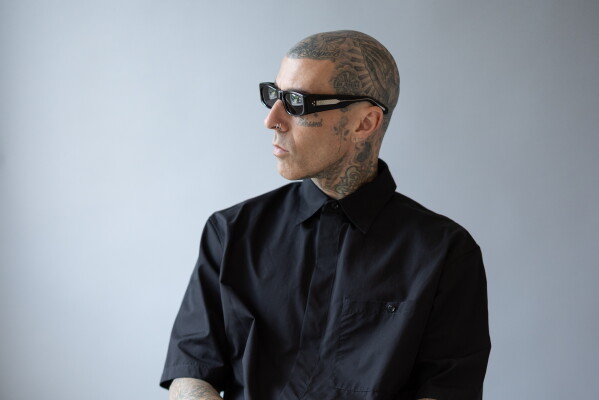
The documentary “Travis Barker: Louder Than Fear” opens with a gripping scene. Dashcam footage from a police car shows a plane crash in South Carolina in 2008. Travis Barker survived; four others did not. The film follows Barker, the Blink-182 drummer, from 2017 to 2026, celebrating his life and career after this pivotal accident.
The narrative began as a reflection of his memoir titled “Can I Say: Living Large, Cheating Death, and Drums, Drums, Drums” from 2015. However, it evolved into something more when a producer suggested ending with Barker facing his fear of flying. Despite his post-traumatic stress, the documentary concludes with Barker boarding a plane. The final images include family photos with his wife Kourtney Kardashian and their children.
“I almost died,” Barker shares. “It could be helpful to share my life.”
An Elastic Artist
Barker’s journey is vast, and the two-and-a-half-hour film highlights key moments. Barker showed a natural drumming talent early, owning his first drum kit at age 4. Over the years, he joined various bands, from SoCal punks Feeble to the ska band The Aquabats. Blink-182 catapulted him to fame.
Beyond drumming, his pursuits include skateboarding, car culture, and clothing brands. His side projects, Box Car Racer and +44, and hip-hop collaborations with artists like Bun B and Lil Wayne, showcase his range. Drumming began as therapy after his mother’s passing, filling a vital role in his life.
Barker likens drumming to a sport. He often enters a meditative state similar to a boxer’s focus. “It’s like when you see a fighter… Something just takes over my body,” he describes. Overcoming physical challenges from the plane crash marked a significant fight. “I was in a burn center for six months on morphine and had 30 surgeries,” he recalls. “Seventy percent of my body was burned.” His recovery questioned whether he could drum or walk again.
Lessons from Tragedy
Even before the crash, Barker learned resilience through personal losses. “Every loss I had… made me stronger,” he explains, emphasizing determination in his career. “Plan B was making Plan A work. There was no Plan B.”
This determination extended to his sobriety and flying again, motivated by family. “I fly all the time now… I just look over, and my wife’s perfectly OK,” Barker notes. His son’s innocent love of airplanes adds beauty to his flying experience.
Family remains Barker’s greatest joy. The documentary spans nearly a decade, capturing his children’s growth. Reflecting on legacy, Barker hopes to be remembered for his music and family roles.
“I think I’d want to be remembered for my music…” he states. “Maybe my story helps somebody.” Despite hardships, Barker values the work required. He appreciates not being born with privilege, believing the journey enriched his life.
 Zoe Kazan’s Journey with ‘East of Eden’
 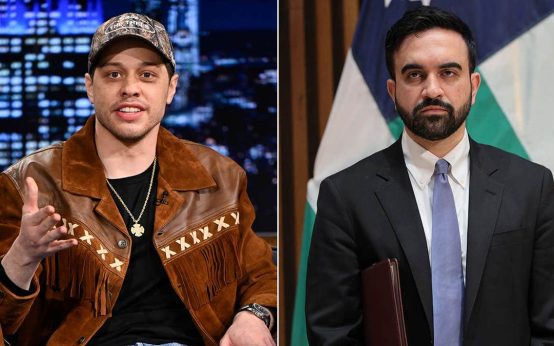 Pete Davidson Criticizes NYC Mayor Zohran Mamdani Over BQE Construction
  Chris Hansen Criticizes Hollywood’s Portrayal in ‘Primetime’
 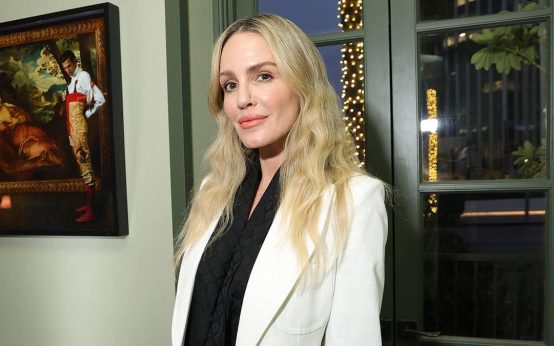 Monet Mazur’s Home Targeted in Hollywood Hills Burglary Attempt
 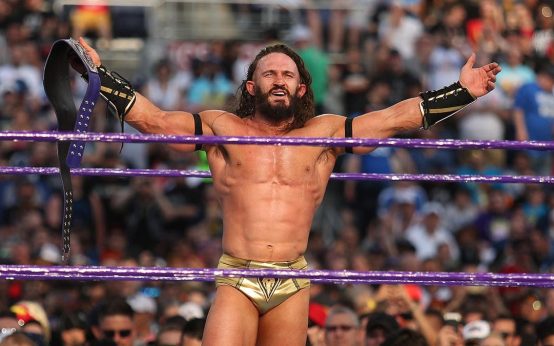 Dwayne Johnson Pays Tribute to Late Wrestler Benjamin Satterley
  David Cerda Celebrates 25 Years of Stage Success with ‘Joan Crawford Goes to Hell’