Background of the Case
For nearly three decades, Duane ‘Keffe D’ Davis, once a Compton gang leader, has been vocal about the highly debated murder of rapper Tupac Shakur. On September 7, 1996, Shakur was fatally shot while in a BMW headed to a Las Vegas nightclub. The car was driven by Marion ‘Suge’ Knight, the head of Death Row Records. This incident has been the subject of numerous investigations, stories, and documentaries, yet the mystery persists.
Current Trial
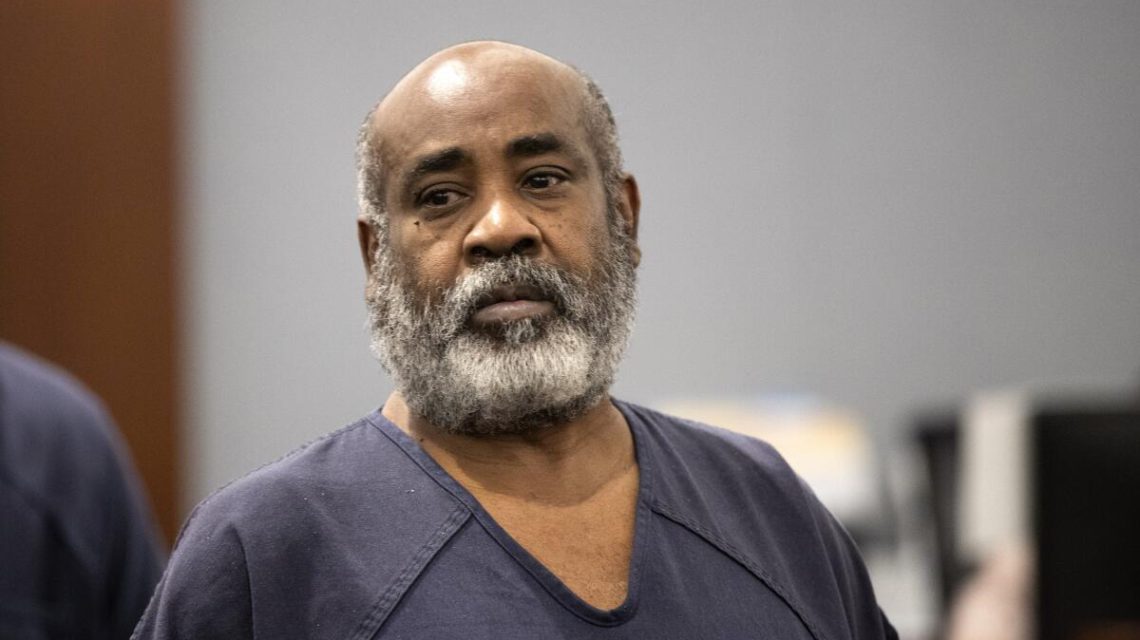
This week, Davis stands trial in Las Vegas, accused of orchestrating Shakur’s murder. Prosecutors aim to use Davis’ own words against him. They argue that while he didn’t pull the trigger, Davis masterminded the plan and supplied the gun due to a gang feud. Although he has retracted some statements, a judge has approved their use in court.
In his memoir, ‘Compton Street Legend,’ Davis recounts how he was in Las Vegas hoping to watch a Mike Tyson fight. After learning about an encounter involving his cousin Orlando ‘Baby Lane’ Anderson and Knight’s entourage, Davis and his group decided to locate Knight and Shakur. Davis claimed he threw a gun back into the car where Anderson and Deandrae Smith were seated. Later, as they drove past Shakur, an altercation supposedly ensued, resulting in the shooting.
Prosecutors’ Strategy
Legal experts suggest prosecutors need evidence beyond Davis’ admissions. Former federal prosecutor Neama Rahmani notes that due to the case’s age, scientific evidence might be scarce. Instead, they might rely on testimonies from cooperators, which could be challenging given their gang backgrounds.
Statements and Interviews
In 2008, during an interview protected by the Los Angeles Police Department, Davis spoke about the incident. He mentioned witnessing an exchange between Anderson and Shakur. Davis has occasionally altered his account, including his later memoir. Detective Greg Kading, who has written on the case, noted that Davis’ admissions were incriminating, describing Davis as his own worst witness.
Facing charges of murder with the intent to aid a gang, Davis pleads not guilty. He has recently distanced himself from his past statements and implicated a former Death Row Records security head in interviews. Prosecutors plan to counter his claims by presenting witnesses, while Davis’ defense will argue fabrication.
Witnesses and Defense
Davis’ lawyer asserts the absence of forensic evidence and identifies Knight as the sole living witness who hasn’t implicated Davis. The prosecution intends to call upon Denvonta Lee, linked to the South Side Crips, who testified to the gun’s transfer and the shooting involvement of Smith.
Gang Rivalry Link
The case remains tied to the long-standing feud between the South Side Compton Crips and Mob Piru Bloods, both associated with rival record labels Bad Boy Records and Death Row Records. Shakur’s killing links back to a chain-snatching incident two months prior involving Davis’ cousin Anderson.
Currently serving a 28-year sentence for an unrelated case, Knight has denied involvement in the Shakur affair. He warned against being implicated in the ongoing trial.