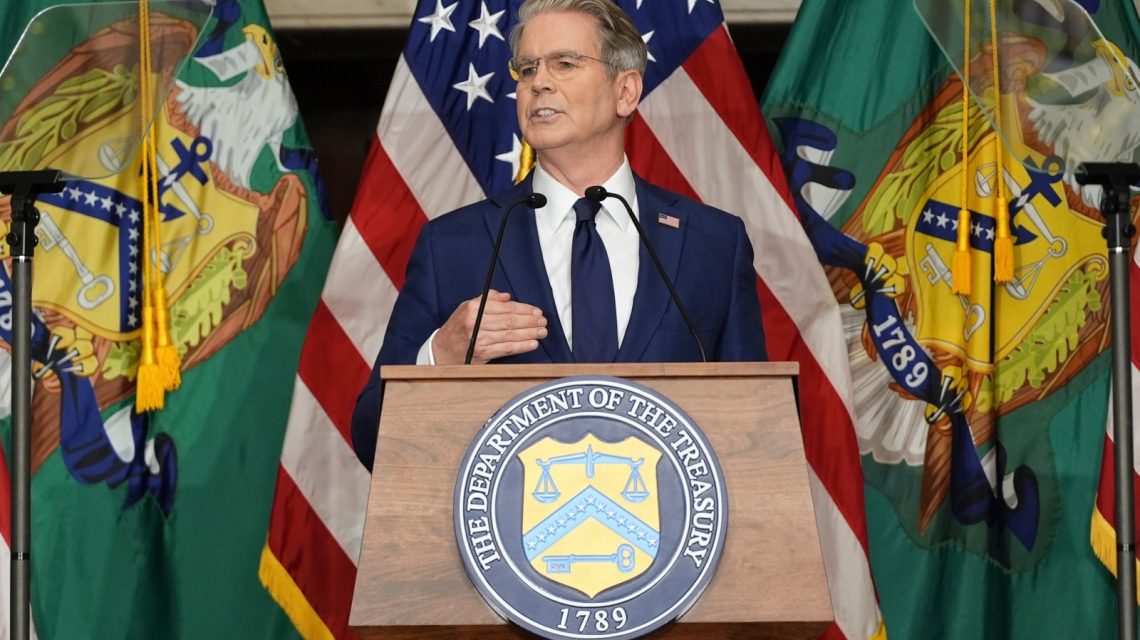
The Trump administration has launched a comprehensive economic campaign against Iran, introducing extensive sanctions, enforcement actions, and diplomatic pressure targeting the nation’s remaining financial connections. This strategy, labeled “Operation Economic Outcast,” targets countries, businesses, and individuals still engaging with Tehran. It also broadens sanctions across several sectors of Iran’s economy.
Treasury Secretary Scott Bessent emphasized the U.S. stance, stating, “Engagement of any kind with this regime will expose those responsible to the full reach of American power.” This strategy significantly escalates President Donald Trump’s approach towards Iran, aiming to increase the nation’s economic isolation amid rising inflation and other challenges.
Bessent aims to cut all economic support from the Iranian government and the Islamic Revolutionary Guard Corps. However, experts argue the initiative is more about enforcing existing measures aggressively rather than introducing new sanctions. Pierre Pahlavi, a professor at the Canadian Forces College, suggested that the focus on third-country actors supporting Iran is crucial in applying pressure.
Iran’s Response and Strategic Position
Iran quickly condemned the new sanctions. Foreign Ministry spokesperson Esmail Baghaei warned of a strong response to any expansion of U.S. sanctions. Meanwhile, Iran retains leverage over the Strait of Hormuz, a vital energy transit route, with previous disruptions affecting global commerce.
Expanding Sanctions to Five Key Sectors
The campaign involves expanding sanctions in five critical areas of Iran’s economy: digital assets, technology, gold, aviation, and shipping. U.S. officials claim Iran is increasingly relying on these sectors to bypass restrictions and acquire military technologies.
As these changes occur, Iran’s currency continues to weaken, trading at a record low compared to the U.S. dollar. The rial’s value has dropped amid continued economic challenges, inflating prices for everyday goods.
Targeting Entities and Sanctioning Networks
Nearly 60 entities, individuals, and vessels have been sanctioned due to associations with Iran’s oil networks, cyber operations, and military procurement. These sanctions target networks in Hong Kong, the UAE, Singapore, and China. The aim is to disrupt revenue sources and acquisition of sensitive technology.
The U.S. has also increased focus on Iran’s oil industry, targeting shipping companies and vessels involved in moving Iranian oil and petroleum through shadow fleets. New guidance warns businesses of the risks tied to shipping in the Strait of Hormuz.
Cyber and Weapons Procurement Sanctions
The sanctions package addresses Iranian cyber actors linked to attacks on U.S. governmental and private sectors. Sanctions also hit a network accused of aiding Iranian missile and nuclear activities using cover companies and financial channels.
Warning to Global Entities
The initiative’s reach extends to foreign countries and businesses. U.S. officials will work globally to terminate activities connected to Iran. Failure to comply could lead to further sanctions and exclusion from the U.S. financial system.
China, Iran’s largest oil customer, is a critical focus. Over recent years, China purchased most of Tehran’s oil exports. However, imports from Iran have decreased since tensions rose earlier this year.
Expert Pahlavi suggests the effectiveness of these sanctions will depend on whether global businesses value U.S. financial system access over Iranian oil. Bessent affirmed the U.S.’s firm position, indicating that any foreign actor facilitating Iranian transactions will face sanctions.
The actions taken by the Trump administration mark one of its most significant economic offensives against Tehran, with Iranian officials warning that further pressure will provoke retaliation.
 Dutch Review Board’s Euthanasia Ruling and International Debate
  Israeli PM Commends Heroic Actions in Flight Emergency
  Rabbi and Jewish Leaders Criticize Adam Brody for ‘Genocide’ Comment
  Flydubai’s Emergency Landing Highlights Cockpit Security
  Former Israeli PM Naftali Bennett Commends Passengers and Crew for In-Flight Heroism
 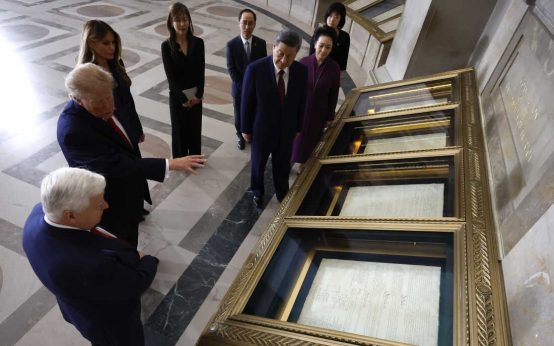 Diplomatic Complexities Unfold at U.S. National Archives Visit