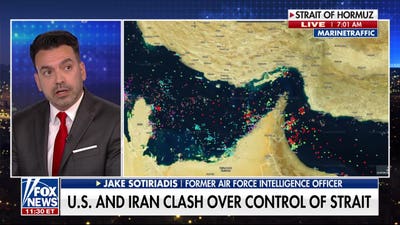
President Donald Trump has proclaimed that the United States holds ‘total control’ over the Strait of Hormuz, a crucial maritime passage for global oil trade. This assertion comes as experts analyze the economic ramifications this control may have on Iran. The Strait of Hormuz is one of the most strategically vital waterways in the world, with approximately 20% of the world’s petroleum passing through it. The US Navy’s presence in the region ensures the security of this vital corridor.
Economic analysts indicate that US control could further strain Iran’s already struggling economy. Sanctions and economic isolation have heavily impacted Iran, and control of the strait might increase pressure on the country. The possibility of reduced Iranian oil exports adds another layer to the economic challenges Iran faces. As the country grapples with these issues, analysts and political pundits alike continue to assess the broader implications for regional stability and global markets.
The geopolitical implications of this control also extend to US relations with other Gulf nations and global oil markets. The secure passage of oil through the strait is crucial not only for the region but also for maintaining stable oil prices worldwide. As the situation develops, international observers monitor the effects on global energy policies and regional alliances.
 British Police Arrest Man Suspected of Terror Plot
  Activists Push for Nationwide Ban on Child Marriage in the U.S.
  Investigation into Alleged Incident at Cornell University
  Rising Drone Threats Highlight Vulnerabilities in Moldova’s Airspace Defense
 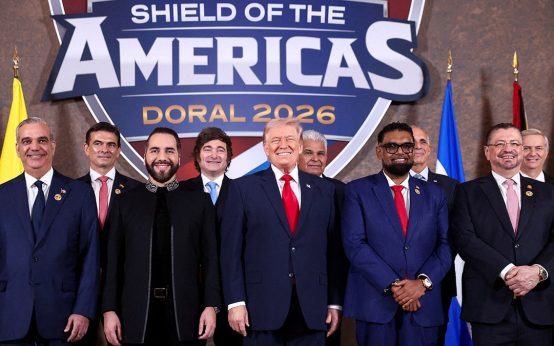 Bolivia Faces Security Test Amid Unrest
 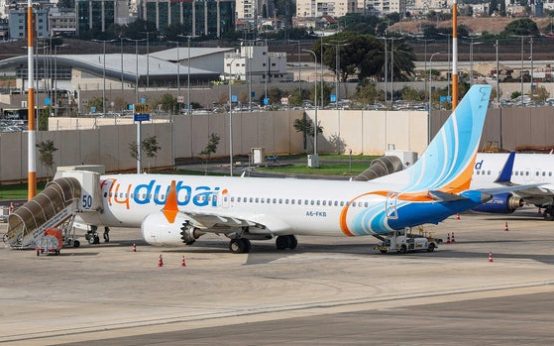 Incident on FlyDubai Flight Raises Security Concerns