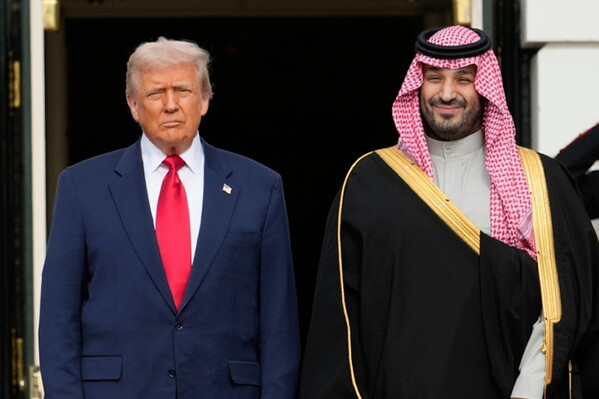
U.S. President Donald Trump announced a pause on new military strikes against Iran, as Middle East allies reach a tentative deal to end the war that has persisted for five months. The agreement aims for the complete reopening of the Hormuz Strait and the elimination of Iran’s nuclear threat, Trump stated in a Saturday social media post.
Trump expressed his support for the initiative, emphasizing its global benefits and potential for a stable Iran. He agreed to stand down from military action, conditioned on the ability to quickly finalize the deal.
Israel has agreed to join the U.S. in efforts to conclude the agreement with Iran, which would cease hostilities. Iran has yet to publicly respond to the announcement.
This decision came a day after Trump suggested the possibility of resuming military pressure on Iran to encourage negotiations. The conflict began on February 28, when the U.S. and Israel attacked Iran to dismantle its missile capabilities, prevent nuclear armament, and stop its support for allied militant groups. The goals and timelines of the conflict have been inconsistent, with a June agreement collapsing shortly after formation.
Saudi Concerns and Regional Reactions
Saudi Crown Prince Mohammed bin Salman expressed apprehension about potential Iranian retaliation in a Saturday phone call with Trump, per a source informed of their discussion. The source, lacking authorization to speak publicly, stated the prince was worried about possible strikes on energy infrastructure by Tehran, should the U.S. escalate the conflict. Clarification was sought from Trump regarding planned actions against Iran.
A White House official confirmed the call but abstained from providing further details, citing anonymity requests.
Iran has a history of attacking vessels within the Strait of Hormuz, maintaining this stance amid its ongoing tensions with the U.S.
Travel Advisories and Security Alerts
The State Department issued new security warnings for U.S. citizens in the region on Saturday. The alerts urge preparation for possible travel disruptions, including flight cancellations and airspace restrictions, impacting Bahrain, Israel, Iraq, Jordan, Kuwait, Lebanon, Oman, Qatar, Saudi Arabia, and the United Arab Emirates.
 President Trump’s Pre-Midterm Interview on Key Issues
 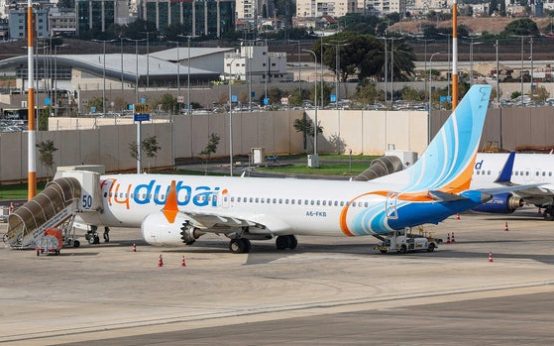 Incident on FlyDubai Flight Raises Security Concerns
  Journalist Gershkovich Discusses Wrongful Detention and Release in Russian Prisoner Swap
 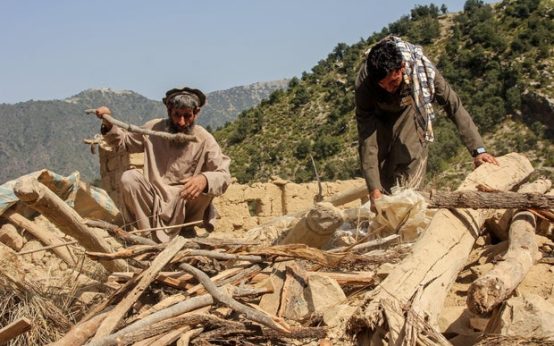 Pakistan Airstrikes in Afghanistan: Civilian Casualties Reported
 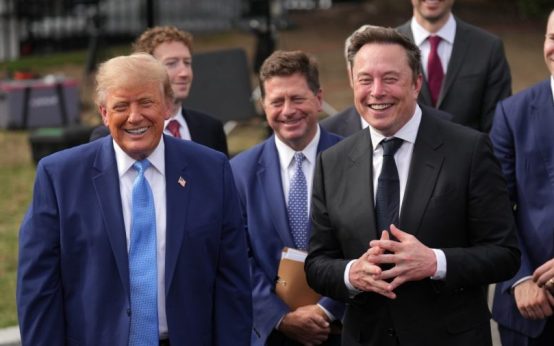 Trump’s 2024 Reelection and Evolving Voter Dynamics
  Defense Secretary Emerges as Key Player in the Trump Administration